Research Article | | Peer-Reviewed

Attitude Towards Midwives and Utilization of Antenatal Care by Pregnant Women in Utan Community Attending Selected Health Centres in Jos North L.G.A.

Received: 18 November 2025     Accepted: 15 December 2025     Published: 16 March 2026
Views:       Downloads:
Abstract

Background: Antenatal care (ANC) is essential for promoting the health and well-being of mothers and their babies. Despite ongoing global efforts, ANC uptake remains below optimal levels in many parts of Nigeria. This study assessed the attitudes of pregnant women toward midwives and how these attitudes influence their use of ANC services in the Utan community, attending selected health centres in Jos North Local Government Area, Plateau State. A descriptive cross-sectional survey was carried out among 73 pregnant women aged 18 years and above. A structured questionnaire was used to collect from the participants who were selected through a multistage random sampling by first stratifying them into separate streets and using simple balloting to select a proportionate sample from each stratum, and the collected data were analyzed using SPSS version 27 at significant level of 0.05. Findings showed that most women expressed positive attitudes toward midwives, with 72.6% strongly agreeing that professional competence was the most important factor influencing their perception. ANC utilization was generally encouraging: 42.5% strongly agreed that they attended appointments regularly, and 41.1% reported that they consistently followed advice from midwives and attended routine health checks. Access to necessary tests and screenings was confirmed by 37.0% of respondents. However, only 23.3% strongly agreed that the ANC services they received fully met their needs, indicating gaps in service adequacy. Economic challenges (54%), transportation difficulties (57%), and long distances to health facilities (41%) were identified as major barriers to ANC utilization. There was no significant relationship between attitudes toward midwives and ANC use (X2 (Exact Test) = 2.749, df= 2, p= 0.239). Though pregnant women in the Utan community had a positive view towards midwives, financial and logistic barriers hinder their ANC attendance. There should be an Improved ANC services, expanded access, and an improved maternal health outcome at community level.

Published in American Journal of Nursing Science (Volume 15, Issue 2)
DOI 10.11648/j.ajns.20261502.12
Page(s) 25-34
Creative Commons

This is an Open Access article, distributed under the terms of the Creative Commons Attribution 4.0 International License (http://creativecommons.org/licenses/by/4.0/), which permits unrestricted use, distribution and reproduction in any medium or format, provided the original work is properly cited.

Copyright

Copyright © The Author(s), 2026. Published by Science Publishing Group

Keywords

Attitude, Utilization, Antenatal Care, Pregnant Women, Health Centre

1. Introduction
The World Health Organization (WHO), defines Antenatal Care (ANC) as "care before and during pregnancy that is provided by skilled health personnel to pregnant women to ensure the best health conditions for both mother and baby during pregnancy" World Health Organization (WHO., 2020).
Six (6) million women fall pregnant each year, and five (5) million of these pregnancies result in the birth of a child. Adequate use of prenatal healthcare is associated with improved health outcomes for mothers and newborns. It is anticipated that pregnancy care will impact the mother's and the fetus's development . Antenatal care provides both psychological and medical needs of pregnant women within the context of health care delivery system, culture, and religion in which the women live . Regular use of antenatal care by pregnant women gives opportunities to health workers to predict and manage pregnancy complications to ensure acceptable maternal and peri- natal outcomes .
The number of ANC contacts required to guarantee a safe delivery was increased from a minimum of 4 to 8 contacts in 2016, the first ANC contact was to be during the first trimester of pregnancy, and emphasis was laid on compulsory administration of specific components of ANC such as blood and urine tests, use of intermittent preventive treatment (IPTp) by women during pregnancy .
WHO recommends four antenatal visits in low-risk pregnancies, like the first visit in the first trimester, preferably before 12 weeks, but no later than 16 weeks, and the second, third, and fourth visits at 24–28, 32, and 36 weeks, respectively . The world lifetime chance of deaths from maternal causes stands at 1 in 140 deaths but compared with developed nations, the ratios in developing countries are high. The importance of women’s knowledge and perception of ANC cannot be over emphasized in terms of utilization of ANC services. It would be expected that in a developing country like Nigeria, many factors inhibit ANC utilization, among which are; financial constraints, distance from the ANC facility, cultural beliefs etc. These play a fundamental role in timing of initiation of ANC as well as its utilization.
Nigeria, the largest and the most populous country in sub-Saharan Africa [SSA), has unimpressive maternal and child health indicators. These indicators ranked among the worst in the world despite years of intervention efforts by the government and other stakeholders . According to the WHO and a group of other international agencies, one in every four (23%) global maternal deaths in 2017 occurred in Nigeria. This indicated that a pregnant woman in Nigeria had a 1: 21 chance of dying from pregnancy and childbirth-related causes, compared to a one in 38 in SSA, 1:190 globally, 1:3,100 in North America and 1:11,700 in Western Europe. A 2017 maternal health situation analysis indicated that for 17 years in Nigeria, only about 24% was shed off from the maternal mortality ratio (1200 in 2000 and 917 in 2017) .
Midwives are healthcare professionals who specialize in pregnancy, childbirth, postpartum, and women's sexual and reproductive health. Their training encompasses comprehensive care for mothers and babies, emphasizing the natural process of childbirth. In antenatal care (ANC), midwives play a vital role in monitoring the health of the pregnant woman and the developing foetus, identifying potential complications early, providing education and counselling on various aspects of pregnancy, and preparing women for labour and delivery . According to the International Confederation of Midwives (ICM), midwives provide "skilled care for childbearing women, newborn infants, and families across the continuum from pre-pregnancy, pregnancy, birth, postpartum, and the early weeks of life" .
Recent studies indicate that positive attitudes towards midwives are often linked to the quality of care they provide. Women who perceive midwives as skilled, compassionate, and trustworthy are more likely to utilize ANC services regularly .
Another crucial factor is the professional competence of midwives. The perception of midwives as competent and knowledgeable healthcare providers enhances women's confidence in their ability to manage pregnancy-related issues effectively. Women need to trust that their midwives are well-trained and capable of handling various aspects of pregnancy care.
Conversely, negative attitudes towards midwives can arise from perceived or experienced shortcomings in care. Factors contributing to negative attitudes include poor communication, where a lack of effective communication and information provision leads to mistrust and dissatisfaction. When women feel their concerns are dismissed or not adequately addressed by midwives, they may develop negative perceptions .
Cultural misalignment also plays a critical role. Midwives who are not sensitive to the cultural practices and beliefs of the community may face resistance. This cultural dissonance can lead to misunderstandings and reluctance to engage with ANC services, further exacerbating negative attitudes .
In Nigeria, attitudes towards midwives vary widely across different regions and communities. In Plateau State, historical and socio-cultural factors influence these attitudes. Traditionally, many communities relied on Traditional Birth Attendants (TBAs) for maternal care. The shift towards formally trained midwives has been gradual and sometimes met with resistance due to deep-rooted cultural beliefs and trust in Traditional Birth Attendants (TBAs).
Focusing on Plateau State, particularly Jos North Local Government Area, the situation reflects the broader national challenges but also exhibits unique local factors. Studies in similar Nigerian regions have shown that socio-economic barriers, cultural beliefs, and logistical challenges significantly impact the utilization of ANC services . In Jos North, these issues are compounded by perceptions and attitudes towards healthcare providers, including midwives, who play a pivotal role in delivering ANC.
In the Utan community within Jos North, pregnant women often rely heavily on midwives for their antenatal care needs. However, the attitudes of these women towards midwives can significantly influence their ANC utilization. Recent studies emphasize that respectful and supportive care from midwives enhances the willingness of women to attend ANC sessions, while negative experiences can lead to mistrust and reluctance to seek care . Understanding these attitudes is essential for addressing the barriers to ANC utilization.
Socio-economic barriers are a major concern in the Utan community. Financial constraints often limit access to healthcare, including ANC. Many women face difficulties affording transportation to healthcare facilities or paying for necessary medical services. Also highlighted that individual with lower socio-economic status experience higher levels of psychological distress and reduced access to health resources, including ANC .
Cultural beliefs and social norms also play a significant role. In many Nigerian communities, health issues, including pregnancy complications, are frequently attributed to supernatural causes. Adewuyi found that a significant portion of the population in similar regions attributes health issues to spiritual attacks or witchcraft, which can discourage women from seeking conventional medical care and lead them to rely on traditional healers instead.
Therefore, this research aims to explore the attitudes of pregnant women towards midwives and identify the various factors affecting the utilization of antenatal care services in Utan community. By comprehensively understanding these dynamics, the study seeks to provide insights that can inform targeted interventions to enhance ANC uptake and ultimately improve maternal and child health outcomes in the region.
2. Aim of the Study
The purpose of this study is to determine the attitude towards midwives and utilization of Antenatal care by pregnant women in Utan community attending selected health centres in Jos North Local Government Area.
3. Methodology
3.1. Research Design
A research design is the overall plan for obtaining answers to the question being asked and for handling some of the difficulties encountered during the research process. This research adopted a cross-sectional descriptive survey method to determine the attitude towards midwives and utilization of Antenatal care by pregnant women in Utan community attending selected health centres in Jos North L.G.A.
3.2. Data Collection
The method in which the data was collected was via face-to-face distribution of questionnaires to the respondents in the area of study and on the spot, completed questionnaires were retrieved.
Data was provided by the respondents through the questionnaire administered. They were arranged into the various sections contained in the questionnaire. It comprises of characteristics of respondent’s data, attitude of pregnant women towards midwives regarding Antenatal care, level of utilization of Antenatal care by the pregnant women and factors affecting the levels of utilization of Antenatal Care (ANC) by pregnant women in Utan community.
3.3. Method for Data Analysis
Data collected from respondents were presented in frequency tables and percentages. Decision Rule: Strongly Agree (SA) was assigned 5, Agree (A) was assigned 4, Undecided (U) were assigned 3, Disagree (D) and Strongly Disagree (SD) were assigned 2 and 1 respectively.
The data obtained was analysed using statistical package for social science (SPSS) version 27 statistical software in other to avoid errors due to manual calculations. Quantitative variables gotten from the data was collected from the questionnaire and then using descriptive statistics such as means, standard deviations, and percentages to describe the sample characteristics. After this, the data will be imputed into variable view to complete the keying process, after which the data collected will be transformed into tables and extracted for presentation and discussion in the subsequent chapter of the study. Frequencies and percentages will be used to describe the demographic data of the respondents and a five (5) point Likert scale is employed. Based on this scale, a value is assigned to each option. Mean value of less than three (3) implies for disagreed while a mean value of more than 3 implies for agreed.
3.4. Ethical Considerations
A letter of permission from the Department of Nursing sciences University of Jos was obtained and given to the Head of Utan community Jos North Local Government Area Plateau State. Informed consent was obtained from the participants prior to recruitment into the study, anonymity and confidentiality of respondents were maintained. Ethical letter of approval (NHREC/09/23/2010b) was gotten from Plateau State Hospital. Also, to avoid litigation from authors whose works were used as sources of literature in this work as cited in this study, the authors were properly acknowledged in the references.
4. Result
4.1. Response Return Rate
The data collected were presented in tabular form with simple frequency tables and percentages. A total of 73 pregnant women (18 years and above) participated in the study and the total response rate of 82% was obtained. The data collected for the study were represented in tables below.
Table 1 shows the socio-demographic characteristics of the respondents. It reveals that majority of the pregnant women 48(65.8%) were within the ages of 26-35, followed by 13(17.8%) respondents within the age group 36-45 years, 8(11.0%) respondents were between the age group of 18-25 years, while 4(5.5%) were above 46-55. Findings also show that 28(68.3%) of the pregnant women were married, 7(17.1%) were single, 5(12.2%) were separated, while 1(2.4%) was divorced.
Most of the respondent 35(47.9%) were self-employed while 7(9.6%) were unemployed. Majority 58(79.5%) of pregnant women were Christians, 14(19.2%) were Muslims while 1(1.4%) was an African traditionalist. It could also be seen from the table that most of the respondent 31(42.5) earned N20,000-N50,000 monthly.
Table 1. Respondents’ Distribution by Socio-demographic Characteristics (n = 73).

N

%

Age of the respondents

18-25

8

11.0

26-35

48

65.8

36-45

13

17.8

46-55

4

5.5

56 & above

0

0.0

Marital status

Single

7

17.1

Married

28

68.3

Separated

5

12.2

Divorced

1

2.4

Widowed

0

0.0

Educational status

No ‎formal education

5

6.8

Primary education

5

6.8

Secondary education

48

65.8

Tertiary education

15

20.5

Occupation of respondent

Housewife

13

17.8

Civil servant

18

24.7

Self-employed

35

47.9

Unemployed

7

9.6

Number of pregnancies

None

0

0.0

1-2

42

57.5

3-4

29

39.7

>4

2

2.7

Number of Children

None

5

6.8

1-2

38

52.1

3-4

23

31.5

>4

7

9.6

Religion of respondents

Christianity

58

79.5

Islam

14

19.2

African Traditional Religion

1

1.4

Others

0

0.0

Monthly income

Below 20,000

6

8.2

20,000-50,000

31

42.5

50,000-100,000

19

26.0

Above 100,000

17

23.3

Keys: N=Frequency; %=Percentage; n = Sample size
Table 2. Respondents’ Distribution by The Attitude of Pregnant Women towards Midwives regarding ANC (n = 73).

S/N

ITEMS

SA

A

U

D

SD

MEAN

SD

EMARK

F

%

F

%

F

%

F

%

F

%

1.

Midwives are competent in providing antenatal care

53

72.6

12

16.4

4

5.5

2

2.7

2

2.7

3.83

0.75

Agreed

2.

Midwives are available and accessible when I need them

7

9.6

15

20.5

4

5.5

42

57.5

5

6.8

2.55

1.53

Disagree

3.

I feel comfortable discussing health concerns with midwives

19

26.0

12

16.4

5

6.8

31

42.5

6

8.2

2.55

1.53

Disagree

4.

Midwives show respect and courtesy towards pregnant women

30

41.1

29

39.7

7

9.6

5

6.8

2

2.7

3.76

0.70

Agreed

5.

Midwives provide clear and helpful information about ANC

44

60.3

14

19.2

8

11.0

4

5.5

3

4.1

3.55

0.68

Agreed

6.

I trust the advice and recommendations given by midwives

34

46.6

19

26.0

11

15.1

5

6.8

4

5.5

3.42

0.64

Agreed

7.

I believe that midwives understand and respect my cultural beliefs and practice

31

42.5

21

28.8

9

12.3

7

9.6

5

6.8

3.33

0.61

Agreed

Keys: Average mean of 3: Mean value ≥ 3 is seen to be agreed; < 3 is seen to be disagreed
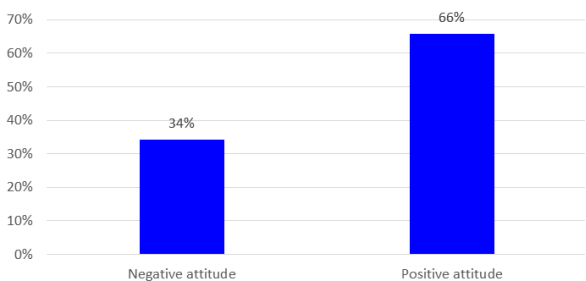
Figure 1. Attitude of pregnant women towards Midwives during ANC.
Table 2 shows the attitude of pregnant women towards Midwives regarding ANC. The respondents agreed that the midwives were competent at providing antenatal care, showing respect, and providing clear and helpful information; they believed that they could trust the recommendations given by the midwives and that they understand and respect their cultural beliefs and practices, with mean values of 3.83, 3.76, 3.55, 3.42, and 3.33 respectively. On the contrary, they disagree with the availability of the midwives and they were not always comfortable discussing health concerns with them, with mean values of 2.55 and 2.55 respectively.
Table 3. Respondents’ Distribution by Utilization of Antenatal care by pregnant women in Utan community (n = 73).

ITEMS

SA

A

U

D

SD

MEAN

SD

REMARK

F

%

F

%

F

%

F

%

F

%

I attend ANC appointments regularly

31

42.5

26

35.6

4

5.5

7

9.6

5

6.8

3.76

1.33

Agreed

I follow the advice and instructions provided by my midwife

30

41.1

28

38.4

4

5.5

7

9.6

4

5.5

3.86

1.45

Agreed

I have attended all my scheduled ANC visits during this pregnancy

21

28.8

24

32.0

12

16.4

13

17.8

3

4.1

3.36

1.13

Agreed

I have regular health checkups during my ANC visits

30

41.1

27

37.0

4

5.5

9

12.3

3

4.1

3.66

1.22

Agreed

I make use of the educational sessions provided during ANC

26

35.6

26

35.6

4

5.5

12

16.4

5

6.8

3.70

1.31

Agreed

I have access to all the necessary tests and screenings during my ANC

27

37.0

26

35.6

7

9.6

10

13.7

3

4.1

3.56

1.13

Agreed

I feel that the ANC I receive is adequate for my needs

17

23.3

29

39.7

12

16.4

13

17.8

2

2.7

3.20

1.03

Agreed

Keys: Average mean of 3: Mean value ≥ 3 is seen to be agreed; < 3 is seen to be disagreed

Download: Download full-size image

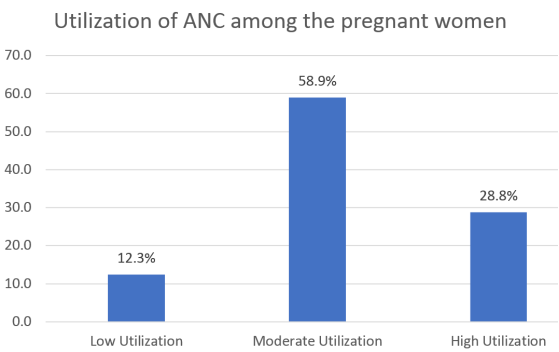
Figure 2. Bar chart showing the Utilization of ANC among the pregnant women.
Table 3 shows the utilization of antenatal care by pregnant women in Utan community. The respondents agreed that they attended care appointments regularly, followed the advice and instructions provided by my midwife, attended all their scheduled antenatal care visits during this pregnancy, received regular health check-ups during my antenatal visits, made use of the educational sessions provided during antenatal care, felt that the antenatal care they receive is adequate for their needs and had access to all the necessary tests and screenings during the periods of their antenatal care with the mean values of 3.76, 3.86, 3.36, 3.66, 3.70, 3.20 and 3.56 respectively.
Table 4. Respondents’ Distribution by Factors Affecting the Utilization of ANC by pregnant women in Utan community (n = 73).

ITEMS

A

U

D

MEAN

SD

EMARK

F

%

F

%

F

%

Financial constraints

54

74.0

8

11.0

11

15.1

57

78.1

Agreed

Transportation difficulties

57

78.1

6

8.2

10

13.7

3.89

1.35

Agreed

Difficulty in balancing ANC visits with work

36

49.3

8

11.0

29

39.7

3.20

1.03

Agreed

Distance to the nearest healthcare facility

41

56.2

5

6.8

27

37.0

3.33

1.11

Agreed

Cultural beliefs and practices

15

20.5

4

5.5

54

74.0

1.50

0.71

Disagreed

Support from my family to attend ANC

52

71.2

9

12.3

12

16.4

3.55

1.33

Agreed

Quality of care provided by midwives

15

20.5

9

12.3

49

67.1

1.32

0.54

Disagreed

Previous negative experiences with healthcare services

34

46.6

3

4.1

36

49.3

2.23

0.94

Disagreed

Keys: Average mean of 3: Mean value ≥ 3 is seen to be agreed; < 3 is seen to be disagreed
Table 4 shows the factors affecting the utilization of ANC by pregnant women in the Utan community. The respondents agreed that financial constraints, difficulty in transportation, difficulty in balancing ANC visits with work, distance to the nearest healthcare facility and support from family to attend ANC are some of the factors that affect their utilization of ANC, with mean values of 3.88, 3.89, 3.20, 3.33, and 3.55 respectively, while they believed that cultural beliefs and practices, quality of care provided by the midwives and previous negative experiences with their healthcare services are not limiting factors, with mean values of 1.50, 1.32 and 2.23 respectively.
4.2. Test of Hypothesis
H0: There Is No Significant Relationship Between the Attitude of Pregnant Women Towards Midwives and Their Utilization of Antenatal Care in Utan Community.
Table 5. Cross tabulation of the Attitude of Pregnant Women Towards Midwives versus their Utilization of Antenatal Care.

Attitude of Pregnant Women Towards Midwives

Total

Negative attitude

Positive attitude

Utilization of Antenatal Care

Low Utilization

5

4

9

Moderate Utilization

12

31

43

High Utilization

8

13

21

Total

25

48

73

X2 (Exact Test) = 2.749, df= 2, p= 0.239
Table 6. His-square (X2) test statistics of the Attitude of Pregnant Women Towards Midwives versus their Utilization of Antenatal Care.

Value

df

Asymptotic Significance (2-sided)

Pearson Chi-Square

2.720a

2

257

Likelihood Ratio

2.634

2

268

Fisher-Freeman-Halton Exact Test

2.749

239

Linear-by-Linear Association

.192

1

661

N of Valid Cases

73

a. 1 cells (16.7%) have expected count less than 5. The minimum expected count is 3.08.
This shows no significant relationship between Attitude of Pregnant Women Towards Midwives versus the Level of Utilization of Antenatal care.
5. Discussion
In the study, attitude towards midwives and utilization of antenatal care by pregnant women in Utan community attending selected health centres in Jos north local government area, Plateau state, Nigeria, the main aim of the study was to determine the attitude of pregnant women towards midwives regarding Antenatal care in Utan community attending selected health centres in Jos North L.G.A, to assess the level of utilization of Antenatal care by pregnant women in Utan community attending selected health centres in Jos North L.G.A. and to identify the factors affecting the utilization of Antenatal care by pregnant women in Utan community attending selected health centres in Jos North L.G.A.
Findings from this study showed that the majority of respondents 65.8% of the respondents were within the age group of 26-35 years, 68.3% were married, 65.8% had secondary school education, 47.9% were self-employed, 57.5% have had 1-2 pregnancies, 52.1% have 1-2 children, 79.5% were Christians, 42.5% earned between N20,000-N50,000 as their income monthly, and 56.2% registered for their antenatal visits in Utan Primary Health Centre.
The findings of the study show the attitude of pregnant women towards midwives regarding antenatal care, the respondents agreed that midwives are competent in providing antenatal care, however, midwives provide clear and helpful information about antenatal care. For example, a study found that women's satisfaction with antenatal care in Nigeria was strongly linked to their perceptions of midwives' competence . Similarly, research highlighted that trust in midwives is crucial for encouraging pregnant women to adhere to medical advice and attend regular antenatal appointments.
The findings of the study on the level of utilization of antenatal care by pregnant women living in the Utan community, the respondents agreed that they attend antenatal care appointments regularly, follow the advice and instructions provided by their midwife and attend all their scheduled antenatal care visits during this pregnancy. The finding that respondents in the Utan community regularly attend antenatal care (ANC) appointments, follow the advice of midwives, and attend all scheduled visits aligns with previous research that highlights the importance of consistent ANC attendance for positive pregnancy outcomes. A study also found that regular ANC visits are associated with better maternal and neonatal health outcomes, as they allow for continuous monitoring and timely interventions when necessary. Similarly, it was noted that high attendance at ANC services in Nigeria is often linked to women's awareness of the benefits of antenatal care, particularly when they perceive the care as being of high quality.
The findings of the study on factors affecting the levels of utilization of antenatal care by pregnant women in the Utan community, the respondents agreed that financial constraints prevented them from attending antenatal care regularly and transportation difficulties hinder their access to antenatal care services. The finding that financial constraints prevent respondents from attending antenatal care (ANC) regularly highlights a significant barrier to healthcare access. Financial issues often limit the ability of pregnant women to afford transport, medical fees, and other related costs, leading to irregular attendance at ANC appointments. This is consistent with research that shows financial barriers are a major impediment to accessing healthcare services in low-resource settings . For example, they found that financial barriers were a significant factor in reducing ANC utilization in Nigeria, as women struggled to afford the costs associated with healthcare.
Transportation difficulties affecting access to ANC services reflect a logistical barrier that impacts healthcare utilization. In many rural and underserved areas, lack of reliable transportation can prevent women from reaching healthcare facilities, which is consistent with findings from studies conducted in similar settings . Addressing transportation issues is crucial for improving access to healthcare services. Transportation challenges are well-documented as barriers to healthcare access. It was reported that inadequate transportation options significantly impacted women’s ability to attend ANC services in rural Nigeria, highlighting the need for improved transportation solutions.
The results of this study indicate no statistically significant relationship between pregnant women's attitudes toward midwives and their utilization of antenatal care (ANC) services, with X2 (Exact Test) = 2.749, df= 2, p= 0.239). Women who strongly agreed with positive perceptions of midwives had higher ANC utilization, while those who were undecided or disagreed showed lower utilization. This finding is likely because positive attitudes toward healthcare providers, particularly midwives, may foster trust and confidence in the care they offer, encouraging more frequent use of ANC services. Conversely, women who harbor doubts or negative perceptions may feel less inclined to attend ANC visits, potentially due to concerns about the quality of care or personal experiences with healthcare providers.
6. Conclusions
This study concludes that pregnant women in Utan community generally have a positive attitude towards midwives, trusting their competence and appreciating their cultural sensitivity and respectful interactions. Despite this favorable perception, significant challenges remain, particularly regarding the availability and accessibility of midwives, as well as the clarity of communication during antenatal care (ANC) visits. The research highlights that while women are committed to attending ANC services and value the education and care provided, practical barriers such as financial constraints, transportation issues, and work or family responsibilities hinder their full utilization of these services. Interestingly, cultural beliefs were not found to be a major deterrent to ANC attendance, suggesting that addressing practical barriers could significantly improve service utilization. In conclusion, to enhance the quality and accessibility of ANC services in the Utan community, there is a need for systemic changes that improve midwife availability, enhance communication, and reduce barriers. By addressing these issues, healthcare providers and policymakers can help ensure that pregnant women receive the necessary care, ultimately leading to better health outcomes for mothers and their babies.
Conflicts of Interest
The authors declare no conflicts of interest.
References
[1] Abubakar BM, Haruna A, Moi IM, Katagum YM. Prevalence of malaria infection and Associated Risk Factors among students of Bauchi State University Gadau, Bauchi State, Nigeria. Gadau J Pure Allied Sci. 2022; 1(2).
[2] Nyaaba GN, Olaleye AO, Obiyan MO, Walker O, Anumba DOC. A socio-ecological approach to understanding the factors influencing the uptake of intermittent preventive treatment of malaria in pregnancy (IPTp) in South-Western Nigeria. PLoS One. 2021; 16(3 March).
[3] Ope BW. Reducing maternal mortality in Nigeria: addressing maternal health services’ perception and experience. J Glob Heal Reports. 2020; 4.
[4] Jahun I, Said I, El-Imam I, Ehoche A, Dalhatu I, Yakubu A, et al. Optimizing community linkage to care and antiretroviral therapy Initiation: Lessons from the Nigeria HIV/AIDS Indicator and Impact Survey (NAIIS) and their adaptation in Nigeria ART Surge. PLoS One. 2021; 16(9 September): 1–14. Available from:
[5] Darteh EKM, Dickson KS, Ahinkorah BO, Owusu BA, Okyere J, Salihu T, et al. Factors influencing the uptake of intermittent preventive treatment among pregnant women in sub-Saharan Africa: a multilevel analysis. Arch Public Heal. 2021; 79(1).
[6] ICM. Vol. 16, ICM. 2019. International Confederation of Midwives. Essential Competencies for Midwifery Practice. The Hague: ICM; 2019.
[7] Sharma B, Bogren M, Ponnusamy P, Rastogi V, Patel M, Gupta S, et al. Developing and validating a self-assessment tool for assessing confidence of nurse-midwives against competency domains of the International Confederation of Midwives, in India. PLOS Glob Public Heal. 2024; 4(10).
[8] Embo M, Levy C, Pairman S. The international confederation of midwives essential competencies for midwifery practice: A revision process – 2024. Midwifery. 2025; 149.
[9] Lungu GG, Chodzaza E, Kamanga M, Chikazinga W, Jere D. Status of information, education, and communication as perceived by clients receiving antenatal care at Chiradzulu District Hospital in Malawi. BMC Womens Health. 2023; 23(1).
[10] Sitot A, Workye H. Assessment of knowledge, attitude and practice towards ante natal exercise among pregnant women attending antenatal care at Health centers of Mekelle, Tigray Region, Ethiopia, 2020. PLoS One. 2022; 17(8 August).
[11] Adewuyi O ‘Sunbo, Yaria J, Orevba JA, Nguku P, Dairo MD. Beyond HAART: unveiling the reality of antiretroviral therapy knowledge among pregnant women living with HIV in Kaduna State, Nigeria. Sci Rep. 2025; 15(1).
[12] Tesfa TB. Satisfaction of Surgical Informed Consent and Associated Factors Among Women Undergone Obstetric and Gynecologic Surgery at Jimma. Rearsarch Sq. 2020; 25.
[13] Siyam A, Ir P, York D, Antwi J, Amponsah F, Rambique O, et al. The burden of recording and reporting health data in primary health care facilities in five low- and lower-middle income countries. BMC Health Serv Res. 2021; 21(Suppl 1): 1–9. Available from:
Cite This Article
  • APA Style

    Kopdimma, G. B., Chioma, N. J., Jacob, S., Adetunji, O. E., Agyo, T. T., et al. (2026). Attitude Towards Midwives and Utilization of Antenatal Care by Pregnant Women in Utan Community Attending Selected Health Centres in Jos North L.G.A.. American Journal of Nursing Science, 15(2), 25-34. https://doi.org/10.11648/j.ajns.20261502.12

    Copy | Download

    ACS Style

    Kopdimma, G. B.; Chioma, N. J.; Jacob, S.; Adetunji, O. E.; Agyo, T. T., et al. Attitude Towards Midwives and Utilization of Antenatal Care by Pregnant Women in Utan Community Attending Selected Health Centres in Jos North L.G.A.. Am. J. Nurs. Sci. 2026, 15(2), 25-34. doi: 10.11648/j.ajns.20261502.12

    Copy | Download

    AMA Style

    Kopdimma GB, Chioma NJ, Jacob S, Adetunji OE, Agyo TT, et al. Attitude Towards Midwives and Utilization of Antenatal Care by Pregnant Women in Utan Community Attending Selected Health Centres in Jos North L.G.A.. Am J Nurs Sci. 2026;15(2):25-34. doi: 10.11648/j.ajns.20261502.12

    Copy | Download

  • @article{10.11648/j.ajns.20261502.12,
      author = {Gaknung Bonji Kopdimma and Nwachukwu Jennifer Chioma and Sunday Jacob and Oyedele Emmanuel Adetunji and Tuamlong Tobias Agyo and Goyit Samson Stephen},
      title = {Attitude Towards Midwives and Utilization of Antenatal Care by Pregnant Women in Utan Community Attending Selected Health Centres in Jos North L.G.A.},
      journal = {American Journal of Nursing Science},
      volume = {15},
      number = {2},
      pages = {25-34},
      doi = {10.11648/j.ajns.20261502.12},
      url = {https://doi.org/10.11648/j.ajns.20261502.12},
      eprint = {https://article.sciencepublishinggroup.com/pdf/10.11648.j.ajns.20261502.12},
      abstract = {Background: Antenatal care (ANC) is essential for promoting the health and well-being of mothers and their babies. Despite ongoing global efforts, ANC uptake remains below optimal levels in many parts of Nigeria. This study assessed the attitudes of pregnant women toward midwives and how these attitudes influence their use of ANC services in the Utan community, attending selected health centres in Jos North Local Government Area, Plateau State. A descriptive cross-sectional survey was carried out among 73 pregnant women aged 18 years and above. A structured questionnaire was used to collect from the participants who were selected through a multistage random sampling by first stratifying them into separate streets and using simple balloting to select a proportionate sample from each stratum, and the collected data were analyzed using SPSS version 27 at significant level of 0.05. Findings showed that most women expressed positive attitudes toward midwives, with 72.6% strongly agreeing that professional competence was the most important factor influencing their perception. ANC utilization was generally encouraging: 42.5% strongly agreed that they attended appointments regularly, and 41.1% reported that they consistently followed advice from midwives and attended routine health checks. Access to necessary tests and screenings was confirmed by 37.0% of respondents. However, only 23.3% strongly agreed that the ANC services they received fully met their needs, indicating gaps in service adequacy. Economic challenges (54%), transportation difficulties (57%), and long distances to health facilities (41%) were identified as major barriers to ANC utilization. There was no significant relationship between attitudes toward midwives and ANC use (X2 (Exact Test) = 2.749, df= 2, p= 0.239). Though pregnant women in the Utan community had a positive view towards midwives, financial and logistic barriers hinder their ANC attendance. There should be an Improved ANC services, expanded access, and an improved maternal health outcome at community level.},
     year = {2026}
    }
    

    Copy | Download

  • TY  - JOUR
    T1  - Attitude Towards Midwives and Utilization of Antenatal Care by Pregnant Women in Utan Community Attending Selected Health Centres in Jos North L.G.A.
    AU  - Gaknung Bonji Kopdimma
    AU  - Nwachukwu Jennifer Chioma
    AU  - Sunday Jacob
    AU  - Oyedele Emmanuel Adetunji
    AU  - Tuamlong Tobias Agyo
    AU  - Goyit Samson Stephen
    Y1  - 2026/03/16
    PY  - 2026
    N1  - https://doi.org/10.11648/j.ajns.20261502.12
    DO  - 10.11648/j.ajns.20261502.12
    T2  - American Journal of Nursing Science
    JF  - American Journal of Nursing Science
    JO  - American Journal of Nursing Science
    SP  - 25
    EP  - 34
    PB  - Science Publishing Group
    SN  - 2328-5753
    UR  - https://doi.org/10.11648/j.ajns.20261502.12
    AB  - Background: Antenatal care (ANC) is essential for promoting the health and well-being of mothers and their babies. Despite ongoing global efforts, ANC uptake remains below optimal levels in many parts of Nigeria. This study assessed the attitudes of pregnant women toward midwives and how these attitudes influence their use of ANC services in the Utan community, attending selected health centres in Jos North Local Government Area, Plateau State. A descriptive cross-sectional survey was carried out among 73 pregnant women aged 18 years and above. A structured questionnaire was used to collect from the participants who were selected through a multistage random sampling by first stratifying them into separate streets and using simple balloting to select a proportionate sample from each stratum, and the collected data were analyzed using SPSS version 27 at significant level of 0.05. Findings showed that most women expressed positive attitudes toward midwives, with 72.6% strongly agreeing that professional competence was the most important factor influencing their perception. ANC utilization was generally encouraging: 42.5% strongly agreed that they attended appointments regularly, and 41.1% reported that they consistently followed advice from midwives and attended routine health checks. Access to necessary tests and screenings was confirmed by 37.0% of respondents. However, only 23.3% strongly agreed that the ANC services they received fully met their needs, indicating gaps in service adequacy. Economic challenges (54%), transportation difficulties (57%), and long distances to health facilities (41%) were identified as major barriers to ANC utilization. There was no significant relationship between attitudes toward midwives and ANC use (X2 (Exact Test) = 2.749, df= 2, p= 0.239). Though pregnant women in the Utan community had a positive view towards midwives, financial and logistic barriers hinder their ANC attendance. There should be an Improved ANC services, expanded access, and an improved maternal health outcome at community level.
    VL  - 15
    IS  - 2
    ER  - 

    Copy | Download

Author Information
  • Department of Nursing Sciences, University of Jos, Jos, Nigeria

  • Department of Nursing Sciences, University of Jos, Jos, Nigeria

  • Department of Nursing Sciences, University of Jos, Jos, Nigeria

  • Department of Nursing Sciences, University of Jos, Jos, Nigeria

  • Department of Nursing, Plateau State Ministry of Health, Jos, Nigeria

  • Department of Nursing Sciences, Plateau State University, Bokkos, Nigeria

  • Abstract
  • Keywords
  • Document Sections

    1. 1. Introduction
    2. 2. Aim of the Study
    3. 3. Methodology
    4. 4. Result
    5. 5. Discussion
    6. 6. Conclusions
    Show Full Outline
  • Conflicts of Interest
  • References
  • Cite This Article
  • Author Information