1. Introduction
Petroleum and natural vapor are major sources of energy for modern societies. High fuel quality must be maintained to achieve the best engine performance, fuel economy, and environmental compliance because of their extensive use in the transportation, power generating, and trade sectors
| [1] | Boadu, K. O. (2019). Impact of diesel fuel adulteration with kerosene in Ghana. Journal of AppliedSciencesandEnvironmentalManagement, 23(7), 1195.
https://doi.org/10.4314/jasem.v23i7.1 |
| [2] | Burns, D. A., Aherne, J., Gay, D. A., & Lehmann, C. M. B. (2016). Recent progress in acid rain research and its impact on the environment. Atmospheric Environment, 146, 1–4.
https://doi.org/10.1016/j.atmosenv.2016.10.019 |
[1, 2]
. Fuel quality integrity is becoming more and more important as the world's economy and people develop. Petrol and natural gas fuels are generally defined by a number of important factors, including density, viscosity, calorific value, sulfur content, and other chemical and physical characteristics. These structures affect not just ignition adeptness but also the release of toxic substances like sulfur oxides (SOx), particulates, and other dangerous substances. Energy impurities raise concerns about fuel quality and public health since they play a major role in air pollution, acid rain, and respiratory health problems
| [10] | Manisalidis, I., Stavropoulou, E., Stavropoulos, A., & Bezirtzoglou, E. (2020). A comprehensive review of the environmental and health effects caused by air pollution. Frontiersin Public Health. https://doi.org/10.3389/fpubh.2020.00014 |
[10]
. Additionally, engine wear, ignition stability, and fuel injection can all be impacted by fuel density and viscosity. Inappropriate viscosity may result in poor atomization or damage to gasoline pumps, while a low calorific value decreases energy output, which affects fuel efficiency. Fuel adulteration that takes place during refining, shipping, or storage makes maintaining gasoline standards much more difficult. Guidelines for gasoline quality are specified in national protocols and international standards like ISO, but enforcement and consistent monitoring are essential to guaranteeing that fuels on the market fulfill these requirements. The evaluation of fuel quality helps to detect deviations that could compromise machine reliability, environmental sustainability, and economic efficiency. This study focuses on a comprehensive taxation of petrol and natural gas fuel samples, investigating their corporal and chemical properties against established standards. By doing so, it aims to identify potential quality issues, raise awareness about fuel adulteration hazards, and support policy measures for better fuel management. Ultimately, preserving high-quality fuels is vital for reducing environmental pollution, enhancing engine performance, and safeguarding public health in an era of swelling energy feasting and environmental anxieties. Molea et al.
| [13] | Molea, A., Visuian, P., Barabas, I., Suciu, R. C., & Burnete, N. V. (2017). Investigating key fuel properties and engine behavior of diesel-ethanol blends enhanced with tetrahydrofuran. IOP Conference Series: Materials Science and Engineering, 252, 012077.
https://doi.org/10.1088/1757-899X/252/1/012077 |
[13]
investigated the fuel properties and engine performance of diesel–ethanol blends enhanced with tetrahydrofuran. Chevron Corporation this technical report provides a comprehensive overview of diesel fuel properties, specifications, and performance characteristics
| [6] | Gad, S. C. (2014). Overview of Diesel Fuel. In P. Wexler (Ed.), Encyclopedia of Toxicology (3rd ed., pp. 115–118). Academic Press. https://doi.org/10.1016/B978-0-12-386454-3.00837-X |
| [14] | Monroe, D. (2016). Properties of diesel fuel. Presented at the MDEC Conference, Toronto, Ontario. |
[6, 14]
. Kwao-Boateng et al.
| [19] | Kwao-Boateng, E., Ankudey, E. G., Darkwah, L., & Danquah, K. O. (2024). Assessment of diesel fuel quality. Heliyon.
https://doi.org/10.1016/j.heliyon.2024.e24733 |
| [20] | E. Kwao-Boateng, E. G. Ankudey, L. Darkwah & K. O. Danquah, Assessment of diesel fuel quality, Fuel, Vol. 10(2024), Article e24733, Elsevier Ltd. Effects of fuel properties on combustion and pollutant emissions, Fuel, Volume 267(2020), Article 117123, Elsevier Ltd. |
[19, 20]
evaluated diesel fuel quality by examining its physicochemical properties and their influence on combustion performance and pollutant emissions.
Petrol and Natural Gas Fuel Adulteration
Fuel adulteration refers to the illegitimate practice of collaborating inferior or unlawful substances with petrol or natural smoke to increase volume and diminish costs, which compromises coal quality. Common adulterants in petrol include kerosene, solvents, or lower-grade fuels, while natural gas may be contaminated with air, nitrogen, or other gases that reduce its calorific value. Chhetri and Watts
| [4] | Chhetri, A. B., & Watts, K. C. (2013). Measurement of surface tension in petro-diesel and various biodiesel fuels under high temperature and pressure conditions. Fuel, 104, 704–710.
https://doi.org/10.1016/j.fuel.2012.05.006 |
[4]
measured the surface tension of petro-diesel and biodiesel fuels under high temperature and pressure conditions. Demirbas
| [5] | Demirbas, A. (2008). Correlations between physical properties of vegetable oils and biodiesel fuels. 87(8–9), 1743–1748. |
[5]
investigated the correlations between the physical properties of vegetable oils and biodiesel fuels.
Blended fuels negatively affect engine performance by causing incomplete combustion, which reduces power output, increases petroleum ingesting, and results in higher maintenance requirements. The presence of impurities and contaminants from adulteration accelerates engine wear and can damage sensitive components such as fuel injectors, valves, and catalytic converters. Petroleum adulteration contributes significantly to increased emissions of detrimental contaminants, counting carbon monoxide, unburned hydrocarbons, and particulate matter, which exacerbates air quality and health problems. Economic losses arise not only for consumers, who receive lower-quality fuels, but also for governments due to tax evasion and loss of revenue linked to illegal fuel practices
. Detecting fuel adulteration requires regular testing and monitoring using chemical analysis and physical property measurements such as density, viscosity, and calorific value. Strengthening regulatory bases, improving supply chain transparency, and public awareness drives are essential strategies to war fuel adulteration effectively. Advances in fuel authentication machineries, such as tracer additives and isolated sensing, afford promising tools to recognize and avert debasement at several points in the delivery network. Ensuring the integrity of petrol and natural gas fuels safeguards engine longevity, reduces environmental pollution, protects consumer rights, and supports sustainable energy use.
2. Resources and Systems
2.1. Resources
This study utilized laboratory equipment from the Process Growth Laboratory within the Department of Chemical Engineering and the Fluid Belongings Laboratory of the Petroleum Engineering Department at Kwame Nkrumah University of Science and Technology (KNUST). Analytical grade chemicals were procured from apparent suppliers counting Fisher Scientific and Sigma-Aldrich. Sulfur content analysis was conducted in collaboration with Tema Oil Refinery. Petrol and natural gas samples were collected in volumes of 3 liters from eight different fuel stations located throughout the Kumasi Metropolis, Ghana. Boadu et al.,
| [1] | Boadu, K. O. (2019). Impact of diesel fuel adulteration with kerosene in Ghana. Journal of AppliedSciencesandEnvironmentalManagement, 23(7), 1195.
https://doi.org/10.4314/jasem.v23i7.1 |
[1]
investigated the effects of kerosene adulteration in diesel fuel and its implications for fuel quality and environmental safety in Ghana.
2.2. Methods
The investigation focused on evaluating and comparing key quality parameters such as thickness, viscidness, fattening value, superficial tautness, and sulfur gratified of the petrol and natural gas samples. Collection of fuel samples was performed using new, clean PET elastic containers with secure covers. Previous to specimen, the containers were rinsed twice with the respective fuel type to eliminate any residual contaminants. Samples were then stored at ambient laboratory conditions until testing. All experimental procedures adhered to the American Civilization for thought-provoking and Resources (ACCR) strategies, with discoveries benchmarked against canons established by the Ghana Standards Authority (GSA), specifically GS 141: 2022.
2.2.1. Density Measurement
Solidity fortitudes were carried out in accord with ASTM D4052-18a. The density, expressed in kilograms per cubic meter (kg/m3), was self-possessed at a controlled temperature of 15°C and distinctive pressure. Each sample volume of approximately 0.9 mL was introduced into the measurement chamber of a KRUSS DS 7800 thickness meter using a syringe to prevent bubble formation. The instrument automatically calculated and displayed the density values.
2.2.2. Viscosity Measurement
The kinematic viscosity of the firewood models was self-possessed using a Cannon-Fenske viscometer (Eduteq Educational Instruments) following ASTM D445-18 processes. As described by the equation, the kinematic viscidness (ν) was calculated by multiplying the flow time (t), after subtracting the Hagenbach correction factor (ϑ), by the viscometer’s calibration constant (C).
where:
1) ν = kinematic viscosity (cSt)
2) C = Standardization constant (cSt/s)
3) t = measured flow time (s)
4) ϑ = Hagenbach alteration aspect, functional when t < 400 seconds; set to zero for t > 400 seconds.
2.2.3. Sulfur Content Analysis
Sulfur concentrations in coal samples were examined using an X-ray fluorescence (XRF) analyzer model SLFA-60, following ASTM D4294-16e1 guidelines. Samples (4–10 mL) were placed into nonrefundable cups lined with polyethylene film to foil leakage and guard the instrument. The investigation was fully computerized, and the mean sulfur gratified was generated and chronicled for each sample.
2.2.4. Superficial Tautness Dimension
Table 1. Specifications and Testing Procedures for Petrol and Natural Gas Fuel Oils.
Property | Acceptable Range (GS 141: 2022) | Acceptable Range (ISO 8217: 2017) | Testing Standard |
Thickness at 15°C (kg/m3) | 820 – 850 | 820 – 900 | ASTM D4052 |
Viscidness at 40°C (mm2/s) | 2.0 – 4.5 | 2.0 – 4.5 | ASTM D445 |
Sulfur Gratified (ppm) | Maximum 50 | Maximum 50 | ASTM D5453 |
Fattening Value (MJ/kg) | Not quantified | Minimum 42.7 | ASTM D4868 |
According to ASTM D1331-14
| [21] | ASTM International. (2014). Standard test methods for surface and interfacial tension of solutions of surface-active agents (ASTM D1331–14). West Conshohocken, PA: ASTM International. |
[21]
, based on the principles the surface tension was measured using a Du Noüy ring densitometer (Sigma 700/701 Force Densitometer). In this measurement, a platinum ring is submerged slightly below the liquid surface, and the meniscus is gradually pulled upward while the force is progressively reduced. Burns et al.
presented recent advances in acid rain research and highlights its continuing environmental impacts The force exerted on the ring was recorded to calculate the surface tension values
2.2.5. Fattening Value
The calorific value of each fuel sample was measured following the ASTM D5865-13 standard using a PARR 6400 bomb calorimeter. In this method, the fuel sample is placed inside the combustion chamber, which is then filled with oxygen and submerged in a water jacket within an insulated container. Upon ignition, the heat released causes a rise in the water temperature, recorded as ΔT by a submerged thermometer. The calorific value (q) was totaled using the equation q = C × ΔT, where C epitomizes the calorimeter’s warmth capacity. All measured fuel parameters were benchmarked against the Ghana Standards Authority (GSA) GS 141: 2022 and ISO 8217: 2017 standards (see
Table 1) to evaluate the compliance and overall quality of the petrol and natural gas fuels. Manisalidis et al.
| [10] | Manisalidis, I., Stavropoulou, E., Stavropoulos, A., & Bezirtzoglou, E. (2020). A comprehensive review of the environmental and health effects caused by air pollution. Frontiersin Public Health. https://doi.org/10.3389/fpubh.2020.00014 |
[10]
examined the environmental and health effects caused by air pollution. Matijošius & Sokolovskij
studied and analyzed the impact of bio-components on diesel fuel quality and performance. Mohankumar & Senthilkumar
| [12] | Mohankumar, S., & Senthilkumar, P. (2017). Detailed review on formation and mitigation of particulate matter in diesel engines. Renewable and Sustainable Energy Reviews, 80, 1227–1238. https://doi.org/10.1016/j.rser.2017.05.133 |
[12]
discussed the formation mechanisms of particulate matter in diesel engines and mitigation strategies.
3. Results and Discussion
3.1. Thickness
Density is a critical parameter influencing fuel performance in internal combustion engines, as it affects the volume of fuel injected and combusted.
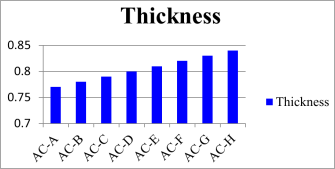
Figure 1 illustrates the mean density values obtained for the tested fuels. Most samples complied with the acceptable density range specified by GS 141: 2022 and ISO 8217: 2017. However, samples from suppliers MC-A and MC-G exhibited faintly reduced density values. Given the deregulated nature of Ghana’s fuel market, various oil marketing companies procure fuels from multiple sources, provided the fuels meet prescribed standards. Lower-than-standard density is often a sign of adulteration, frequently due to mixing diesel with lighter hydrocarbons like kerosene, which shares similar physical traits but is less expensive. Historical price differences between diesel and kerosene previously created incentives for such adulteration. While regulatory efforts have minimized these discrepancies, contamination through other hydrocarbons or accidental mixing during transport and storage remains possible. Research by demonstrates a direct correlation between diesel density and emissions, revealing that higher density fuels tend to produce elevated nitrogen oxides (NOx) and particulate substance (PM) discharges. Chevron Corporation
presented a comprehensive overview of diesel fuel properties, specifications, and performance characteristics. Ubeidalah
| [18] | Ubeidalah, S. K. (2015). Evaluation of gasoline quality in the Accra metropolis (Unpublished master’s thesis). Department of Chemistry, University of Ghana. |
[18]
evaluated the gasoline quality in the Accra metropolis based on chemical and performance parameters. Kwao-Boateng et al.
assessed the diesel fuel quality using physicochemical and regulatory compliance indicators
| [20] | E. Kwao-Boateng, E. G. Ankudey, L. Darkwah & K. O. Danquah, Assessment of diesel fuel quality, Fuel, Vol. 10(2024), Article e24733, Elsevier Ltd. Effects of fuel properties on combustion and pollutant emissions, Fuel, Volume 267(2020), Article 117123, Elsevier Ltd. |
[20]
.
3.2. Viscidness
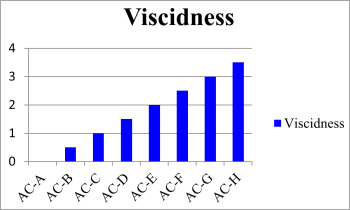
The average viscosity levels of fuel samples are shown in
Figure 2 in comparison to GSA GS141: 2022 and ISO 8217: 2017 ethics. A Few models showed viscosities that were marginally above the limits, but the majority were within the permissible range. Elevated viscosity can impair apparatus functionality by affecting fuel atomization during injection. According to higher gumminess causes petroleum globule latitude to increase, which has a deter mental effect on the quality of the air fuel mixture and leads to inefficient combustion, better pollutant discharges, and improved coal consumption. According to additional research published in the Fuel journal, high-viscosity diesel fuels are associated with lower engine power, increased fuel consumption, and increased NOx and PM emissions because of partial combustion from lower certain numbers. On the other hand, fuels with lower viscosity may improve ignition efficiency and reduce NOx and particulate emissions, but they may also increase coal seepage and evaporative rate.
Figure 1. A graph of the Density of Petrol and Natural Gas fuels collected at different locations in Kumasi.
Figure 2. A graph of the viscosity of Petrol and Natural Gas fuels collected at different locations in Kumasi, Ghana.
3.3. Surface Tension
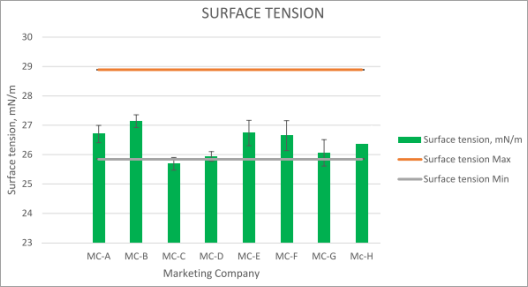
Outward tension discusses to the intermolecular services present at the edge of a fluid, particularly at its outward. In the context of fuels such as gas and natural gas byproducts, outward tension ominously influences ignition behavior by heartrending atomization and posy patterns. Proper atomization smoothed by prime surface stringency enhances the mingling of fuel with air, which in turn can improve combustion efficiency, reduce harmful emanations, and boost overall engine performance. In this study, as illustrated in
Figure 3, all fuel samples unproven surface tension values within tolerable ranges, except for sample MC-C, which unveiled a slightly worse value. This reflection aligns with findings from Molea et al.
| [13] | Molea, A., Visuian, P., Barabas, I., Suciu, R. C., & Burnete, N. V. (2017). Investigating key fuel properties and engine behavior of diesel-ethanol blends enhanced with tetrahydrofuran. IOP Conference Series: Materials Science and Engineering, 252, 012077.
https://doi.org/10.1088/1757-899X/252/1/012077 |
[13]
, who noted that higher sulfur content in fuel tends to flag covalent bonds, resulting in contracted outer tension. Consistently, MC-C, with the lowest measured surface tension, corresponded to the highest sulfur concentration. Although outward tension is not overtly regulated by gas standards, it remainders a perilous factor influencing fuel performance and secretions. For reference, diesel fuels typically display surface tension values between 25.84 and 28.89 mN/m at 25°C. Stanislaus et al.
reviewed the technological advancements in the production of ultra-low sulfur diesel fuel underscoring its relevance even if it is not among the primary diesel fuel provisions. Chhetri & Watts
| [4] | Chhetri, A. B., & Watts, K. C. (2013). Measurement of surface tension in petro-diesel and various biodiesel fuels under high temperature and pressure conditions. Fuel, 104, 704–710.
https://doi.org/10.1016/j.fuel.2012.05.006 |
[4]
examined the surface tension behavior of diesel and biodiesel fuels under high-temperature and high-pressure conditions.
Figure 3. A graph presenting the surface tension measurements of petrol fuel samples sourced from various marketing companies in Kumasi, Ghana, as part of the evaluation of petrol and natural gas fuel quality.
3.4. Calorific Value
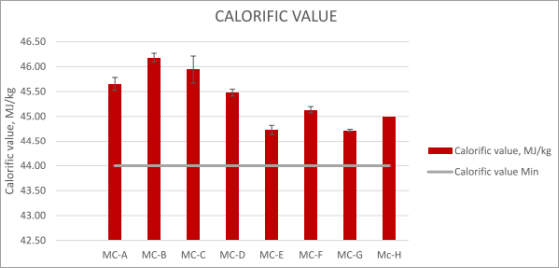
As shown in
Figure 4, the average calorific values of fuel samples obtained from various filling stations complied with the ISO 8217: 2017 standard. The calorific value represents the energy content of a fuel and is influenced by its chemical composition. Fuels with a higher proportion of heavier hydrocarbons typically exhibit higher calorific values. For consumers, a higher calorific value implies more energy per unit volume, translating to longer-lasting fuel and reduced consumption rates. The calorific value is therefore a key quality indicator—so long as it remains above the minimum acceptable threshold, the fuel is considered suitable for market use. Gokhale & Khare
discussed the computational models used to predict and analyze vehicle exhaust emissions. Kelly & Fussell
presented the emerging public health challenges associated with air pollution exposure.
Figure 4. A graph showing the calorific values of petrol fuel samples obtained from different sites across Kumasi, Ghana, as part of the evaluation of fuel energy content and overall quality of petrol and natural gas fuels.
3.5. Sulphur Content
The amount of sulfur in diesel coals is a significant factor since burning sulfur has detrimental impacts on the environment and human health. Over the years, there has been considerable worry about the quantity of sulphur in diesel, which has prompted international efforts to reduce fuel levels through stringent restrictions.
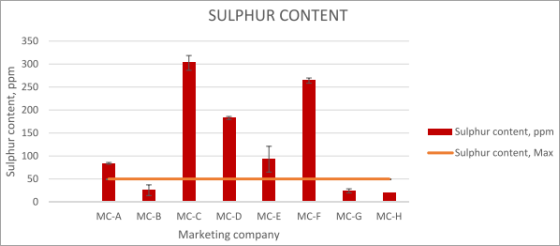
Figure 5 displays the typical sulfur concentration of diesel samples from the important locations our study examined. An review of
Figure 5 shows that just three of the eight satisfactory locations that underwent testing were able to distribute diesel with sulphur levels that met the GSA GS 141: 2022 and ISO 8217: 2017 requirements, which set a maximum of 50 parts per million (ppm). based on a review of
Figure 5. These conforming samples had sulfur contents between 20 and 30 parts per million. However, this restriction was exceeded by the other five stations, with the highest sulfur levels being recorded by MC-E, MC-F, and MC-G. Notably, the Nationwide Fuel Authority (NFA) has issued a temporary exception. The elevated Sulphur levels detected in some samples may be attributed to blending practices during stowage and dispersal or the procurement of fuel from native factories operating under this waiver. Additionally, the possibility exists that some fuels entering the market illegally are unregulated and adulterated, as evidenced by reports of smuggling across borders involving compromised fuel quality. Stanislaus et al.
proposed the technological advancements in the production of ultra-low sulfur diesel fuel. Tan & Wang
| [17] | Tan, P. Q., & Wang, D. Y. (2018). Influence of sulfur and ash content in lubricating oils on the morphology and nanostructure of diesel particulate matter. Energy & Fuels, 32(1), 713724.
https://doi.org/10.1021/acs.energyfuels.7b03017 |
[17]
examined how sulfur and ash content in lubricating oils influence diesel particulate matter structure. In this study, compliance with sulphur content standards was only 37.5%, demonstrating that most diesel trials surpassed the prescribed limits. This situation is troubling due to the harmful effects sulphur emissions have on both environmental quality and public health. Upon combustion, sulphur compounds convert to sulphur oxides (SOx), such as sulfur dioxide (SO
2), which adversely affect air quality and pose health risks to residents in the studied region. The urgency of addressing these health and environmental hazards is shown by the poor compliance rate. Furthermore, vehicles powered by high-sulfur diesel significantly worsen air pollution and the associated health problems. Due to Ghana's regular power outages, many houses and businesses increasingly rely on generators, which, if they run on high-sulfur diesel, can exacerbate air pollution near residential areas. Acid rain, which harms flora, deteriorates soil, and acidifies aquatic environments, is a result of these emissions. Sulfur accelerates corrosion and can interfere with the operation of complex emission control systems in cars. In addition to using high-sulfur fuels from local refineries, adulteration can also significantly increase the sulfur concentration. This kind of adulteration may be carried out by oil marketing corporations (OMCs) or their agents at various stages. Demirbas
| [5] | Demirbas, A. (2008). Correlations between physical properties of vegetable oils and biodiesel fuels. 87(8–9), 1743–1748. |
[5]
established the correlations between the physical properties of vegetable oils and biodiesel fuels. Monroe
| [14] | Monroe, D. (2016). Properties of diesel fuel. Presented at the MDEC Conference, Toronto, Ontario. |
[14]
presented the fundamental physical and chemical properties of diesel fuel. Norman
| [15] | Norman. A. (2016). Diesel Technology. Retrieved from Perera, F. (2017). Pollution from burning fossil fuels poses a major environmental threat to children's health and social equity: Solutions and strategies. International Journal of Environmental Research and Public Health, 15(1), Article 16.
https://doi.org/10.3390/ijerph15010016 |
[15]
provided the foundational knowledge on diesel technology, including fuel systems and engine operation.
Figure 5. A chart illustrating the sulfur concentration levels in petrol fuel samples collected from multiple locations throughout Kumasi, Ghana, as part of the overall assessment of petrol and natural gas fuel quality.
Conclusion and Suggestion
According to the results of this revision, most gasoline trials regularly mollify the quality requirements delineated in the two aforesaid specifications. Six of the eight substantial locations had fuel densities within the legalized limit, while two of the stations had slightly lower concentrations, perchance as a result of contamination with sunlit materials. This corresponds to a 75% density acquiescence rate. High viscosity fuels, which can impair engine performance and increase emissions of nitrogen oxides (NOx) and particulate matter (PM), were supplied at three filling stations. Only 62.5% of the fuels were able to meet the required viscosity as a result. All of the fuel trials' calorific levels matched trade customs. Given its significant detrimental special effects on the atmosphere and social health, sulfur deliberation is undoubtedly an important contemplation. In this inquiry region, adherence to sulfur contented borders was notably low (37.5%), as just three locations supplied diesel with sulfur points at or below 50 ppm. Even though there are no recognized conventions limiting surface tension for diesel, it is an incidental indicator of pollution, particularly sulfur. These discoveries were maintained by the study's confirmation of an inverse link between surface tension and sulfur content Different fuel sources and the leeway of contamination all through distribution and packing can lead to variations in fuel qualities. To improve gasoline quality management, it is recommended that the National Petroleum Authority (NPA) implement a robust and nonstop fuel quality intensive care system at retail outlets and throughout the whole supply chain. Strengthening control at entrance themes like ports and throughout the spreading network will increase agreement with coal protocols. By taking such steps, Ghana will be one step closer to achieving the Bearable Development Goals for renewable vitality (BDG 7) and climate action Sustainable Development Goal (SDG 13).




 Share This Article
 Twitter
 Linked In
 Facebook
 Copy
Copy Download