
 ,
Bhawna Singh,
Garima Supyal,
Deepak Malkani,
Pankaj Bhatt,
Seeta Dewali,
Netra Pal Sharma*,
Deepak Chandra Melkani,
Satpal Singh Bisht
,
Bhawna Singh,
Garima Supyal,
Deepak Malkani,
Pankaj Bhatt,
Seeta Dewali,
Netra Pal Sharma*,
Deepak Chandra Melkani,
Satpal Singh Bisht
Environmental stress arising from climate change, habitat loss, pollution, infectious agents, and human activities represents a growing threat to animal health in both terrestrial and aquatic ecosystems. Factors such as temperature fluctuations, ocean acidification, heavy metals, pesticides, and emerging pathogens can disturb physiological balance, weaken immune responses, and negatively affect growth and reproduction. Conventional health assessment methods often identify problems only after visible symptoms develop, highlighting the importance of early and sensitive detection tools. In this context, biomarkers serve as reliable early indicators by revealing subtle biological changes at molecular, cellular, biochemical, and physiological levels before clinical damage becomes apparent. This review compiles and evaluates major categories of biomarkers used in environmental health studies. Among these are signs of oxidative stress (like lipid peroxidation and antioxidant enzyme activity), stress and endocrine hormones, immune-related parameters, genotoxicity markers (including DNA damage assays), metabolic enzymes, and behavioral responses. Their relevance across diverse animal groups, including wildlife, livestock, and aquatic sentinel species, is discussed along with their advantages and limitations in ecological risk assessment. Furthermore, the review explores recent advances such as omics-based technologies, non-invasive sampling strategies, and integrated multi-biomarker approaches, which offer promising tools for improving environmental monitoring, conservation planning, and predictive assessments of animal health under changing environmental conditions.
| Published in | Frontiers in Environmental Microbiology (Volume 12, Issue 3) |
| DOI | 10.11648/j.fem.20261203.11 |
| Page(s) | 31-42 |
| Creative Commons |
This is an Open Access article, distributed under the terms of the Creative Commons Attribution 4.0 International License (http://creativecommons.org/licenses/by/4.0/), which permits unrestricted use, distribution and reproduction in any medium or format, provided the original work is properly cited. |
| Copyright |
Copyright © The Author(s), 2026. Published by Science Publishing Group |
Environmental Stress, Biological Markers, Animal Health, Environmental Toxicology, Oxidative Damage, Biological Bioindicators
Stressor Type | Examples | Major Sources | References |
|---|---|---|---|
Chemical Stressors | Heavy metals (Pb, Hg, Cd), pesticides (organophosphates, neonicotinoids), industrial pollutants (PCBs, dioxins, hydrocarbons) | Mining and smelting; agricultural runoff; industrial discharge; oil spills; fossil fuel combustion | [9-11, 13, 14] |
Physical Stressors | Temperature extremes, anthropogenic noise, ionizing radiation | Climate change and heatwaves; transportation and urbanization; industrial machinery; nuclear accidents | [15-18] |
Biological Stressors | Pathogens (fungi, bacteria, viruses), parasitic infections | Environmental disturbance; climate change; wildlife trade; increased host–pathogen interactions | [19] |
Ecological Stressors | Habitat degradation, fragmentation, biodiversity loss | Deforestation; agricultural expansion; urban development; infrastructure projects | [20] |
Biomarker Type | Example | Stress Response Indicated | References |
|---|---|---|---|
Molecular Biomarkers | Heat shock proteins (HSPs) | Cellular stress due to heat, chemical, or oxidative exposure | [32] |
Metallothioneins (MTs) | Metal exposure and detoxification | [33] | |
DNA damage markers (comet assay, micronuclei) | Genotoxicity and DNA strand breaks | [34] | |
Biochemical Biomarkers | Antioxidant enzymes (SOD, CAT, GPx) | Oxidative stress response | [35] |
Lipid peroxidation (LPO) | Membrane damage due to ROS | [36] | |
Stress hormones (cortisol, corticosterone) | Physiological stress in vertebrates | [37] | |
Physiological Biomarkers | Immune function (leukocyte count, antibodies) | Impaired immunity due to pollutants | [7] |
Reproductive parameters (gonad size, fertility, hormone levels) | Endocrine disruption and reduced reproductive fitness | [21] | |
Behavioral Biomarkers | Feeding behavior | Reduced appetite or altered feeding patterns | [38] |
Locomotion | Altered movement or activity due to neurological/muscular impairment | [38] | |
Avoidance behavior | Behavioral avoidance of contaminated areas | [39] |
Animal Group | Biomarkers | Environmental Stress Indicated | References |
|---|---|---|---|
Fish | Metallothioneins, antioxidant enzymes (SOD, CAT, GPx), heat shock proteins (HSPs), DNA damage markers, stress hormones (cortisol), reproductive parameters | Exposure to heavy metals, pesticides, organic pollutants, endocrine-disrupting chemicals | [6-21] |
Mollusks | Metallothioneins, antioxidant enzymes, lipid peroxidation (MDA), lysosomal stability, valve closure or reduced filtration behavior | Contamination by heavy metals, hydrocarbons, and organic pollutants | [40, 41] |
Mammals | Stress hormones (cortisol), antioxidant enzymes, metallothioneins, DNA damage markers, immune function, behavioral responses (feeding, movement, avoidance) | Chemical pollutants, habitat degradation, climatic stress | [42] |
Birds | Blood corticosterone, metallothioneins, antioxidant enzymes, DNA damage markers, reproductive hormones, behavioral changes (foraging, nest attendance, flight activity) | Urban and agricultural contamination | [43] |
Amphibians | Stress hormones, antioxidant enzymes, metallothioneins, heat shock proteins, DNA damage markers, reproductive hormones, behavioral changes (feeding, locomotion, calling activity) | Environmental pollution, habitat loss, chemical contaminants | [12] |
Category | Main Aspect | Description | References |
|---|---|---|---|
Advantages | Sensitive and early detection | Biomarkers are capable of identifying subtle molecular, biochemical, or physiological alterations at an early stage, often before visible symptoms or population-level impacts become evident | [6, 7] |
Advantages | Non-lethal or minimally invasive sampling | Many biomarker measurements can be performed using non-lethal techniques such as blood sampling or small tissue collection, allowing repeated monitoring of the same organisms | [44] |
Limitations | Variation among species | Responses to biomarkers can differ between species due to differences in physiology and metabolism, which may restrict broader application of findings | [25] |
Limitations | Influence of environmental variables | Natural factors such as temperature, age, sex, nutritional condition, and seasonal changes may affect biomarker responses, making interpretation more complex | [6] |
CAT | Catalase |
GPx | Glutathione Peroxidase |
HSPs | Heat Shock Proteins |
LPO | Lipid Peroxidation |
MDA | Malondialdehyde |
MTs | Metallothioneins |
PCBs | Polychlorinated Biphenyls |
SOD | Superoxide Dismutase |
| [1] | McEwen, B. S., & Wingfield, J. C. (2003). The concept of allostasis in biology and biomedicine. Hormones and Behavior, 43(1), 2–15. |
| [2] | Sokolova, I. M., Frederich, M., Bagwe, R., Lannig, G., & Sukhotin, A. A. (2012). Energy homeostasis as an integrative tool for assessing limits of environmental. |
| [3] | Lushchak, V. I. (2011). Environmentally induced oxidative stress in aquatic animals. Aquatic Toxicology, 101(1), 13–30. |
| [4] | Gorbi, S., Regoli, F., & Fattorini, D. (2011). Biomarkers in ecotoxicology: From molecular to ecosystem-level assessment. Marine Environmental Research, 72(5), 298–309. |
| [5] | Bonier, F., Martin, P. R., Moore, I. T., & Wingfield, J. C. (2009). Do baseline glucocorticoids predict fitness? Trends in Ecology & Evolution, 24(11), 634–642. |
| [6] | Van der Oost, R., Beyer, J., & Vermeulen, N. P. E. (2003). Fish bioaccumulation and biomarkers in environmental risk assessment: A review. Environmental Toxicology and Pharmacology, 13(2), 57–149. |
| [7] | Depledge, M. H., & Fossi, M. C. (1994). The role of biomarkers in environmental assessment (2): Invertebrates. Ecotoxicology, 3(3), 161–172. |
| [8] | Fazio, F., & Faggio, C. (2016). Biomarkers in fish ecotoxicology: A mechanistic approach. Environmental Science and Pollution Research, 23(2), 1331–1343. |
| [9] | Scheuhammer, A. M., Meyer, M. W., Sandheinrich, M. B., & Murray, M. W. (2007). Effects of environmental methylmercury on the health of wild birds, mammals, and fish. AMBIO, 36(1), 12–19. |
| [10] | Tchounwou, P. B., Yedjou, C. G., Patlolla, A. K., & Sutton, D. J. (2012). Heavy metal toxicity and the environment. EXS, 101, 133–164. |
| [11] | Goulson, D. (2013). An overview of the environmental risks posed by neonicotinoid insecticides. Journal of Applied Ecology, 50(4), 977–987. |
| [12] | Hayes, T. B., Khoury, V., Narayan, A., et al. (2010). Atrazine induces complete feminization and chemical castration in male African clawed frogs. Proceedings of the National Academy of Sciences, 107(10), 4612–4617. |
| [13] | Walker, C. H., Sibly, R. M., Hopkin, S. P., & Peakall, D. B. (2012). Principles of ecotoxicology (4th ed.). CRC Press. |
| [14] | Peterson, C. H., Rice, S. D., Short, J. W., et al. (2003). Long-term ecosystem response to the Exxon Valdez oil spill. Science, 302(5653), 2082–2086. |
| [15] | Pörtner, H. O., & Farrell, A. P. (2008). Physiology and climate change. Science, 322(5902), 690–692. |
| [16] | Stillman, J. H. (2019). Heat waves, the new normal: Summertime temperature extremes will impact animals. Journal of Experimental Biology, 222(Suppl 1), jeb214569. |
| [17] | Shannon, G., McKenna, M. F., Angeloni, L. M., et al. (2016). A synthesis of two decades of research documenting the effects of noise on wildlife. Biological Reviews, 91(4), 982–1005. |
| [18] | Møller, A. P., & Mousseau, T. A. (2006). Biological consequences of Chernobyl: 20 years on. Trends in Ecology & Evolution, 21(4), 200–207. |
| [19] | Daszak, P., Cunningham, A. A., & Hyatt, A. D. (2001). Anthropogenic environmental change and the emergence of infectious diseases in wildlife. Acta Tropica, 78(2), 103–116. |
| [20] | Fahrig, L. (2003). Effects of habitat fragmentation on biodiversity. Annual Review of Ecology, Evolution, and Systematics, 34, 487–515. |
| [21] | Sumpter, J. P., & Johnson, A. C. (2005). Lessons from endocrine disruption in aquatic systems. Environmental Toxicology and Chemistry, 24(10), 2636–2646. |
| [22] | Ankley, G. T., Bennett, R. S., Erickson, R. J., Hoff, D. J., Hornung, M. W., Johnson, R. D.,... & Villeneuve, D. L. (2010). Adverse outcome pathways: A conceptual framework to support ecotoxicology research and risk assessment. Environmental Toxicology and Chemistry, 29(3), 730–741. |
| [23] | Relyea, R. (2005). The impact of insecticides and herbicides on the stress physiology of amphibians. Ecology Letters, 8(3), 395–402. |
| [24] | Hering, D., Borja, A., Carstensen, J., Carvalho, L., Elliott, M., Feld, C. K.,... & Pont, D. (2010). The European Water Framework Directive at the midpoint: Strategies to assess ecological quality. Science of the Total Environment, 408(19), 4007–4019. |
| [25] | Forbes, V. E., Palmqvist, A., & Bach, L. (2006). The use and misuse of biomarkers in ecotoxicology. Environmental Toxicology and Chemistry, 25(1), 272–280. |
| [26] | Soller, A., Ikonomou, M. G., & Smith, A. (2012). Advances in biomarker development: Integration with environmental monitoring. Journal of Environmental Monitoring, 14(6), 1440–1450. |
| [27] | Scott, G. R., & Sloman, K. A. (2004). The effects of environmental pollutants on complex fish behaviour: Integrating behavioural and physiological indicators of toxicity. Aquatic Toxicology, 68(4), 369–392. |
| [28] | Hagger, J. A., Jones, O. A. H., & Scrimshaw, M. D. (2006). Biomarkers of exposure and effect in fish exposed to WWTP effluent. Ecotoxicology and Environmental Safety, 64(3), 329–342. |
| [29] | Dara, M., Torregrossa, N., La Corte, C., Bisanti, L., Bertini, F., Parrinello, D., ... & Cammarata, M. (2024). Bioplastics and marine invertebrates: assessing immunological and environmental impacts in the transition from petrochemical to sustainable polymers. Invertebrate Survival Journal, 21(1), 127-142. |
| [30] | Galloway, T. S., & Depledge, M. H. (2001). Immunotoxicity in invertebrates: Measurement and ecotoxicological relevance. Ecotoxicology, 10(1), 5–23. |
| [31] | Moore, M. N., Wilson, J., & Blackhurst, D. (2004). Biomarkers in marine pollution monitoring. In J. G. Vos et al. (Eds.), Toxicology of Marine Pollution (pp. 1–27). Taylor & Francis. |
| [32] | Sanders, B. M. (1993). Stress proteins in aquatic organisms: An environmental perspective. Critical Reviews in Toxicology, 23(1), 49–75. |
| [33] | Roesijadi, G. (1992). Metallothioneins in metal regulation and toxicity in aquatic animals. Aquatic Toxicology, 22(2), 81–114. |
| [34] | Olive, P. L., Banáth, J. P., & Durand, R. E. (1990). Heterogeneity in radiation-induced DNA damage and repair in tumor and normal cells measured using the "comet" assay. Radiation Research, 122(1), 86–94. |
| [35] | Livingstone, D. R. (2001). Contaminant-stimulated reactive oxygen species production and oxidative damage in aquatic organisms. Marine Pollution Bulletin, 42(8), 656–666. |
| [36] | Halliwell, B., & Gutteridge, J. M. C. (2007). Free radicals in biology and medicine (4th ed.). Oxford University Press. |
| [37] | Boonstra, R. (2013). The ecology of stress: Effects of the social environment. Functional Ecology, 27(1), 66–80. |
| [38] | Weis, J. S., Smith, G., Zhou, T., Santiago-Bass, C., & Weis, P. (2001). Effects of contaminants on behavior: Biochemical mechanisms and ecological consequences. BioScience, 51(3), 209–217. |
| [39] | Dawson, R., Siebers, D., & Weis, J. S. (1991). Behavioral indicators of environmental contamination in fish. Environmental Toxicology and Chemistry, 10(9), 1309–1317. |
| [40] | Rainbow, P. S. (2002). Trace metal concentrations in aquatic invertebrates: Why and so what? Environmental Pollution, 120(3), 497–507. |
| [41] | Depledge, M. H., & Rainbow, P. S. (1990). Invertebrates as biomonitors. Marine Pollution Bulletin, 21(8), 321–324. |
| [42] | McLaren, P. L., MacMillan, S., & Carey, P. D. (1998). Biomarkers of exposure and effect in terrestrial mammals. Environmental Toxicology and Chemistry, 17(5), 854–861. |
| [43] | Furness, R. W., & Rainbow, P. S. (1990). Heavy metals in the marine environment. CRC Press. |
| [44] | Wikelski, M., & Cooke, S. J. (2006). Conservation physiology. Trends in Ecology & Evolution, 21(1), 38–46. |
| [45] | Ashley, P. J. (2007). Fish welfare: Current issues in aquaculture. Applied Animal Behaviour Science, 104(3–4), 199–235. |
| [46] | Beliaeff, B., & Burgeot, T. (2002). Integrated biomarker response: A useful tool for ecological risk assessment. Environmental Toxicology and Chemistry, 21(6), 1316–1322. |
| [47] | Mattos, J. J., Siebert, M. N., & Bainy, A. C. D. (2024). Integrated biomarker responses: Further improvement of IBR indexes to preserve data variability in statistical analyses. Environmental Science and Pollution Research International. |
| [48] | Di Noi, A., Casini, S., & Others. (2021). First application of an Integrated Biological Response index to assess the ecotoxicological status of honeybees. Environmental Science and Pollution Research. |
| [49] | Caliani, I., Campani, T., Conti, B., Cosci, F., Bedini, S., D’Agostino, A., … & Casini, S. (2021). Multi-biomarker approach and IBR index to evaluate the effects of different contaminants on the ecotoxicological status of Apis mellifera. Ecotoxicology and Environmental Safety, 208, 111486. |
| [50] | Duarte, I. A., Reis-Santos, P., França, S., Cabral, H., & Fonseca, V. F. (2017). Biomarker responses to environmental contamination in estuaries: A comparative multi-taxa approach. Aquatic Toxicology, 189, 31–41. |
| [51] | Smith, K. F., Pochon, X., Melvin, S. D., Wheeler, T. T., & Tremblay, L. A. (2025). Integration of “omics”-based approaches in environmental risk assessment to establish cause and effect relationships: A review. Toxics, 13(9), 714. |
| [52] | Li, B., Zhang, Y., Du, J., Liu, C., Zhou, G., Li, M., & Yan, Z. (2025). Application of multi-omics techniques in aquatic ecotoxicology: A review. Toxics, 13(8), 653. |
| [53] | Ankley, G. T., Bennett, R. S., Erickson, R. J., Hoff, D. J., Hornung, M. W., Johnson, R. D., … & Villeneuve, D. L. (2006). Adverse outcome pathways: A conceptual framework to support ecotoxicology research and risk assessment. Environmental Toxicology and Chemistry, 25(3), 589–598. |
APA Style
Kaushik, P., Singh, B., Supyal, G., Malkani, D., Bhatt, P., et al. (2026). Biomarkers as Indicators of Environmental Stress in Animals. Frontiers in Environmental Microbiology, 12(3), 31-42. https://doi.org/10.11648/j.fem.20261203.11
ACS Style
Kaushik, P.; Singh, B.; Supyal, G.; Malkani, D.; Bhatt, P., et al. Biomarkers as Indicators of Environmental Stress in Animals. Front. Environ. Microbiol. 2026, 12(3), 31-42. doi: 10.11648/j.fem.20261203.11
@article{10.11648/j.fem.20261203.11,
  author = {Prakarshi Kaushik and Bhawna Singh and Garima Supyal and Deepak Malkani and Pankaj Bhatt and Seeta Dewali and Netra Pal Sharma and Deepak Chandra Melkani and Satpal Singh Bisht},
  title = {Biomarkers as Indicators of Environmental Stress in Animals},
  journal = {Frontiers in Environmental Microbiology},
  volume = {12},
  number = {3},
  pages = {31-42},
  doi = {10.11648/j.fem.20261203.11},
  url = {https://doi.org/10.11648/j.fem.20261203.11},
  eprint = {https://article.sciencepublishinggroup.com/pdf/10.11648.j.fem.20261203.11},
  abstract = {Environmental stress arising from climate change, habitat loss, pollution, infectious agents, and human activities represents a growing threat to animal health in both terrestrial and aquatic ecosystems. Factors such as temperature fluctuations, ocean acidification, heavy metals, pesticides, and emerging pathogens can disturb physiological balance, weaken immune responses, and negatively affect growth and reproduction. Conventional health assessment methods often identify problems only after visible symptoms develop, highlighting the importance of early and sensitive detection tools. In this context, biomarkers serve as reliable early indicators by revealing subtle biological changes at molecular, cellular, biochemical, and physiological levels before clinical damage becomes apparent. This review compiles and evaluates major categories of biomarkers used in environmental health studies. Among these are signs of oxidative stress (like lipid peroxidation and antioxidant enzyme activity), stress and endocrine hormones, immune-related parameters, genotoxicity markers (including DNA damage assays), metabolic enzymes, and behavioral responses. Their relevance across diverse animal groups, including wildlife, livestock, and aquatic sentinel species, is discussed along with their advantages and limitations in ecological risk assessment. Furthermore, the review explores recent advances such as omics-based technologies, non-invasive sampling strategies, and integrated multi-biomarker approaches, which offer promising tools for improving environmental monitoring, conservation planning, and predictive assessments of animal health under changing environmental conditions.},
 year = {2026}
}
TY  - JOUR
T1  - Biomarkers as Indicators of Environmental Stress in Animals
AU  - Prakarshi Kaushik
AU  - Bhawna Singh
AU  - Garima Supyal
AU  - Deepak Malkani
AU  - Pankaj Bhatt
AU  - Seeta Dewali
AU  - Netra Pal Sharma
AU  - Deepak Chandra Melkani
AU  - Satpal Singh Bisht
Y1  - 2026/08/17
PY  - 2026
N1  - https://doi.org/10.11648/j.fem.20261203.11
DO  - 10.11648/j.fem.20261203.11
T2  - Frontiers in Environmental Microbiology
JF  - Frontiers in Environmental Microbiology
JO  - Frontiers in Environmental Microbiology
SP  - 31
EP  - 42
PB  - Science Publishing Group
SN  - 2469-8067
UR  - https://doi.org/10.11648/j.fem.20261203.11
AB  - Environmental stress arising from climate change, habitat loss, pollution, infectious agents, and human activities represents a growing threat to animal health in both terrestrial and aquatic ecosystems. Factors such as temperature fluctuations, ocean acidification, heavy metals, pesticides, and emerging pathogens can disturb physiological balance, weaken immune responses, and negatively affect growth and reproduction. Conventional health assessment methods often identify problems only after visible symptoms develop, highlighting the importance of early and sensitive detection tools. In this context, biomarkers serve as reliable early indicators by revealing subtle biological changes at molecular, cellular, biochemical, and physiological levels before clinical damage becomes apparent. This review compiles and evaluates major categories of biomarkers used in environmental health studies. Among these are signs of oxidative stress (like lipid peroxidation and antioxidant enzyme activity), stress and endocrine hormones, immune-related parameters, genotoxicity markers (including DNA damage assays), metabolic enzymes, and behavioral responses. Their relevance across diverse animal groups, including wildlife, livestock, and aquatic sentinel species, is discussed along with their advantages and limitations in ecological risk assessment. Furthermore, the review explores recent advances such as omics-based technologies, non-invasive sampling strategies, and integrated multi-biomarker approaches, which offer promising tools for improving environmental monitoring, conservation planning, and predictive assessments of animal health under changing environmental conditions.
VL  - 12
IS  - 3
ER  -
Dev Singh Bisht Campus, Kumaun University, Uttarakhand, India
Dev Singh Bisht Campus, Kumaun University, Uttarakhand, India
Dev Singh Bisht Campus, Kumaun University, Uttarakhand, India
Dev Singh Bisht Campus, Kumaun University, Uttarakhand, India
Dev Singh Bisht Campus, Kumaun University, Uttarakhand, India
Dev Singh Bisht Campus, Kumaun University, Uttarakhand, India
Dev Singh Bisht Campus, Kumaun University, Uttarakhand, India
Dev Singh Bisht Campus, Kumaun University, Uttarakhand, India
Soban Singh Jeena University, Almora, Uttarakhand, India
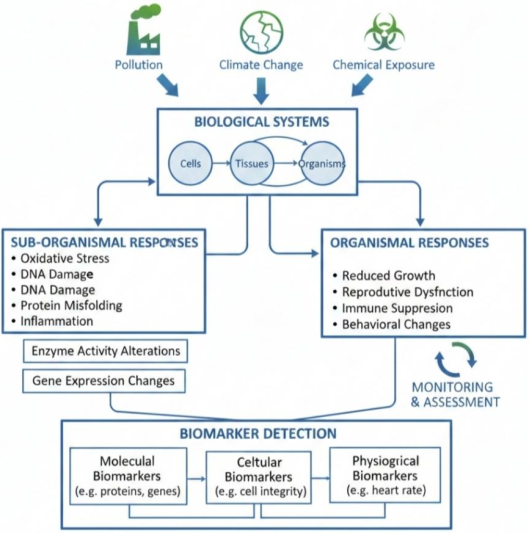
Figure 1. Conceptual overview of environmental stressors and biomarker responses.
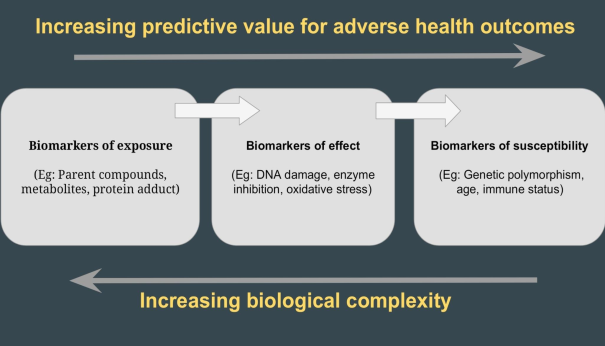
Figure 2. Classification of biomarkers.
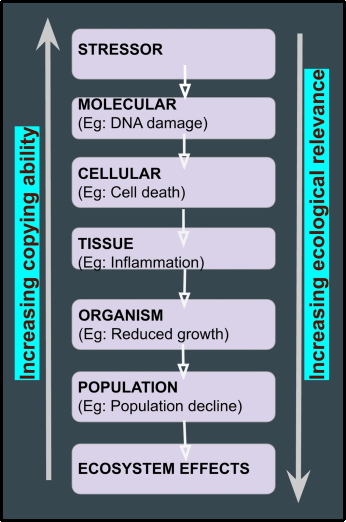
Figure 3. Levels of biological organization affected by stress.
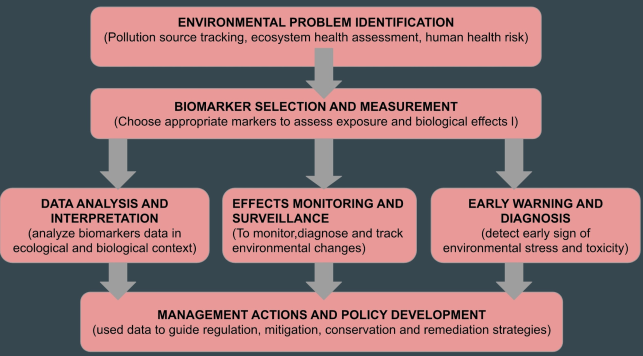
Figure 4. Application framework of biomarkers in environmental monitoring.
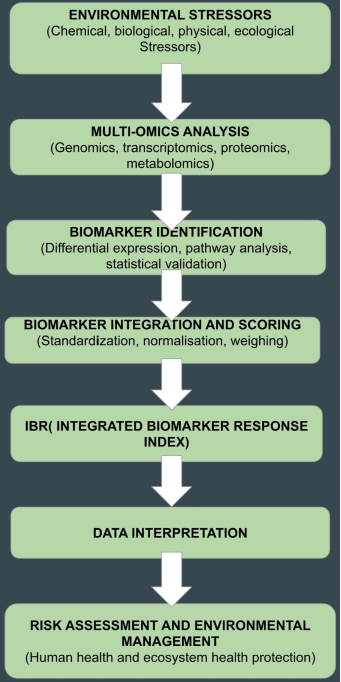
Figure 5. Integrated biomarker approach (IBR/omics-based framework).

Information


 Share This Article
 Twitter
 Linked In
 Facebook
 Copy
Copy Download