Obesity and physical inactivity are important clinical and lifestyle factors in the progression of Type 2 diabetes mellitus. A high-calorie diet contributes mainly to the development of obesity resulting in Type 2 diabetes mellitus. Obesity or increased intra-abdominal adipose tissue is interrelated to insulin resistance. Exercise reduces body weight and makes a potential mechanism for the maintenance of glucose homeostasis and remission of Type 2 Diabetes. The objective of the study was to evaluate the status of physical activity and glycemic control among Type 2 DM. This was a descriptive type of Cross-Sectional study conducted from April 2022 to December 2022 at Combined Military Hospital, Dhaka. DM was diagnosed by a concerned physician and reported at the Outpatient Department of Endocrinology, Combined Military Hospital, and Dhaka. Out of 101 respondents, the majority of the respondent was in the age group 41-50 years, the mean age of the respondents were 49.92±8.36. Maximum respondents 70 (69.3%) were male. 98.2% of the respondents were married and only 1.98% were widowed. Regarding educational status, 54.4% were secondary qualified and 7.9% were primary qualified. Most 50 (79.4%) of the respondents were hypertensive followed by 23 (36.5%) had CHD, 15 (23.8%) had asthma, 5 (7.9%) had CKD, 4 (6.3%) respondents had CLD and 3 (4.8%) had Cancer. A maximum of 45 (44.6%) respondents did moderate Physical activities. A negative correlation was found between Physical exercise and total MET score.Findings revealed that physical activity is the cornerstone of glycemic control in type 2 Diabetes mellitus patients. The result of the MET Score had a negative correlation with the glycaemic status.
This is an Open Access article, distributed under the terms of the Creative Commons Attribution 4.0 International License (http://creativecommons.org/licenses/by/4.0/), which permits unrestricted use, distribution and reproduction in any medium or format, provided the original work is properly cited.
Physical Activity, Glycemic Control, DM, MET Score
1. Introduction
Diabetes is a group of metabolic condition due to inadequate or lack of production of insulin by pancreatic Beta cells or ineffective utilization of the insulin by the body. Insulin hormone regulates blood glucose levels. Type 2 diabetes consists of an assemblage of dysfunction characterized by hyperglycemia resulting from a combination of insulin resistance, insufficient insulin secretion, and excessive or inappropriate glucagon secretion.
The efficacy of physical activity as a preventive measure for type 2 diabetes and its positive impact on the general health and well-being of individuals with all types of diabetes mellitus has been well recognized for a considerable period of time.
[1]
Teich T, Zaharieva DP, Riddell MC. Advances in exercise, physical activity, and diabetes mellitus. Diabetes technology & therapeutics. 2019 Feb 1; 21(S1): S-112.
[1]
Given the association between diabetes and an elevated risk of macrovascular disease, the significance of physical activity in enhancing established risk factors for atherosclerosis is of considerable importance. This assertion holds special validity as engagement in physical exercise has been shown to enhance the lipoprotein profile, mitigate blood pressure levels, and enhance cardiovascular fitness. Nevertheless, it is important to acknowledge that numerous studies have shown inconclusive results about the autonomous impact of physical activity training in enhancing glycemic control, as assessed through the A1C test, among individuals diagnosed with type 1 diabetes.
[2]
American Diabetes Association. Physical activity/exercise and diabetes mellitus. Diabetes care. 2003 Jan 1; 26(suppl_1): s73-7.
[2]
Diabetes mellitus (DM) is considered a major public health problem around the globe. Current global estimates indicate that this condition affects four hundred fifteen (415) million people and is forecasted to affect six hundred forty-two million (642) by the year 2040.
[3]
Jawad A. Lawati A et al on Diabetes Mellitus: A Local and Global Public Health Emergency! 2017 May; 32(3): 177–179.
Movement that increases energy use is considered as physical activity, on the other hand, planned and structured physical activity is exercise. Exercise improves blood glucose control in type 2 diabetes as well as reduces cardiovascular risk factors. It also plays role to reduce weight and improves well-being. Regular exercise may prevent or delay type 2 diabetes development.
[4]
Sheri R. Colberg; Ronald J. Sigal; Jane E. Yardley at el on Physical Activity/Exercise and Diabetes: A Position Statement of the American Diabetes Association Diabetes Care 2016; 39(11): 2065–2079.
The importance of engaging in regular physical activity for the prevention and management of type 2 diabetes is emphasized by the American Diabetes Association. This recommendation is supported by proposals put up by many scientific bodies
[5]
Klein, S., Sheard, N. F., Pi-Sunyer, X., Daly, A., Wylie-Rosett, J., Kulkarni, K. and Clark, N. G., 2004. Weight management through lifestyle modification for the prevention and management of type 2 diabetes: rationale and strategies. A statement of the American Diabetes Association, the North American Association for the Study of Obesity, and the American Society for Clinical Nutrition. TheAmericanjournalofclinicalnutrition, 80(2): 257-263.
[6]
Pate RR, Pratt M, Blair SN, Haskell WL, Macera CA, Bouchard C, Buchner D, Ettinger W, Heath GW, King AC, Kriska A. Physical activity and public health: a recommendation from the Centers for Disease Control and Prevention and the American College of Sports Medicine. Jama. 1995 Feb 1; 273(5): 402-7.
[7]
US Department of Health and Human Services. Increasing physical activity. A report on recommendations of the Task Force on Community Preventive Services. MMWR Recomm Rep. 2001; 50: 1-4.
[8]
Thompson PD, Buchner D, Piña IL, Balady GJ, Williams MA, Marcus BH, Berra K, Blair SN, Costa F, Franklin B, Fletcher GF. Exercise and physical activity in the prevention and treatment of atherosclerotic cardiovascular disease: a statement from the Council on Clinical Cardiology (Subcommittee on Exercise, Rehabilitation, and Prevention) and the Council on Nutrition, Physical Activity, and Metabolism (Subcommittee on Physical Activity). Circulation. 2003 Jun 24; 107(24): 3109-16.
[9]
Sigal RJ, Kenny GP, Wasserman DH, Castaneda-Sceppa C. Physical activity/exercise and type 2 diabetes. Diabetes care. 2004 Oct 1; 27(10): 2518-39.
[5-9]
. These recommendations suggest that persons should participate in at least 30 minutes of physical exercise at a moderate level on most, if not all, days of the week. In order to sustain weight loss over an extended period, multiple studies indicate that a greater amount of activity (60–75 minutes per day) is required
[5]
Klein, S., Sheard, N. F., Pi-Sunyer, X., Daly, A., Wylie-Rosett, J., Kulkarni, K. and Clark, N. G., 2004. Weight management through lifestyle modification for the prevention and management of type 2 diabetes: rationale and strategies. A statement of the American Diabetes Association, the North American Association for the Study of Obesity, and the American Society for Clinical Nutrition. TheAmericanjournalofclinicalnutrition, 80(2): 257-263.
[9]
Sigal RJ, Kenny GP, Wasserman DH, Castaneda-Sceppa C. Physical activity/exercise and type 2 diabetes. Diabetes care. 2004 Oct 1; 27(10): 2518-39.
[10]
Jakicic JM, Marcus BH, Gallagher KI, Napolitano M, Lang W. Effect of exercise duration and intensity on weight loss in overweight, sedentary women: a randomized trial. Jama. 2003 Sep 10; 290(10): 1323-30.
[5, 9, 10]
.
In the continuance of physical activity, glycemic and blood pressure control peaked at moderate physical activity since the majority of patients with optimal outcomes were engaged in moderate physical activity
[11]
James Osei-Yeboah, William Owiredu, Gameli Norgbe, at el. On Physical Activity Pattern and Its Association with Glycaemic and Blood Pressure Control among People Living with Diabetes (PLWD) In The Ho Municipality, Ghana in Euthopian Journal of Health Science 2019 Jan; 29(1): 819–830.
. Moderate-intensity activities are associated with improvement in lipoprotein profile and glucose control. Moderate physical activity like walking for at least 30 min per day has been shown to improve glycemic control and reduce the risk of cardiovascular event in diabetics by approximately 50%
[12]
Tanasescu M, Leitzmann MF, Rimm EB, Hu FB. Physical activity in relation to cardiovascular disease and total mortality among men with type 2 diabetes. Circulation. 2003 May 20; 107(19): 2435-9.
[12]
. Studies conducted recently have suggested that daily physical activity, including non-exercise activity thermogenesis, has a beneficial association with metabolic risks and mortality. Physically active people have a 30–50% lower risk of developing type 2 diabetes than sedentary persons.
[13]
Rafferty AP, Reeves MJ, McGee HB, Pivarnik JM. Physical activity patterns among walkers and compliance with public health recommendations. Medicine and science in sports and exercise. 2002 Aug 1; 34(8): 1255-61.
[14]
Hu FB, Sigal RJ, Rich-Edwards JW, Colditz GA, Solomon CG, Willett WC, Speizer FE, Manson JE. Walking compared with vigorous physical activity and risk of type 2 diabetes in women: a prospective study. Jama. 1999 Oct 20; 282(15): 1433-9.
[13, 14]
2. Materials and Methods
This was a descriptive type of Cross-Sectional study conducted from April 2022 to December 2022 at Combined Military Hospital, Dhaka. DM was diagnosed by the concerned physician reported at the Outpatient Department of Endocrinology, Combined Military Hospital, Dhaka. Before collecting data, informed written consent from the respondents were taken by the researcher. The data were collected through face-to-face interviews by a structured questionnaire.
The patients aged 40 and above and suffering from DM for more than one year were included in the study. Diabetic patients with pregnancy, mentally sick, and seriously ill patient was excluded from the study.
Exercise intensity is measured in metabolic equivalent (MET)). It is defined as the ratio of the metabolic rate during exercise to the metabolic rate at rest. One MET is what someone expends when someone is at rest. Therefore 2 METS are twice expended at rest. To get a continuous variable score from the IPAQ (MET minutes a week) it is considered walking to be 3.3 METS, moderate physical activity to be 4 METS, and vigorous physical activity to be 8 METS
[15]
Forde C. Scoring the international physical activity questionnaire (IPAQ). University of Dublin. 2018; 3.
[15]
.
Data were edited, coded, and analyzed by SPSS Software for Windows version 25. Correlation analysis was done to find out the relation between physical exercise and MET score. P <.05 was considered as statistical significance.
3. Results
Table 1. Socio demographic information of the respondent (n=101).
Variables
Frequency
Percent
Age
31-40
10
9.9
41-50
51
50.5
51-60
31
30.7
>60
9
8.9
Mean±SD =49.92±8.36
Sex
Male
70
69.3
Female
31
30.7
Marital status
Married
99
98.20
Widowed
2
1.98
Educational Status
Primary
8
7.9
Secondary
55
54.4
Higher secondary
21
20.8
Graduation and above
17
16.9
From the above table it is seen majority of the respondent were in age group 41-50 years, mean age of the respondents were 49.92±8.36. Maximum respondents 70 (69.3%) were male. 98.2% of the respondents were married and only 1.98% were widowed. Regarding educational status 54.4% were secondary qualified and 7.9% were primary qualified.
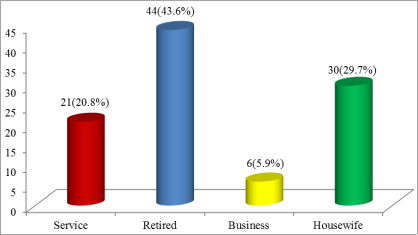
Figure 1. Distribution of respondents by occupational status.
From the above Table 1, it is seen that a maximum of 44 (43.6%) respondents were retired.
Table 2. Distribution of the respondents by co-morbidity.
Comorbidities
Frequency
Percent
HTN
50
79.4
CHD
23
36.5
Asthma
15
23.8
CKD
5
7.9
CLD
4
6.3
Cancer
3
4.8
Total
100
158.7
It is observed that most 50 (79.4%) of the respondent were hypertensive followed by 23 (36.5%) had CHD, 15 (23.8%) had asthma, 5 (7.9%) had CKD, 4 (6.3%) respondents had CLD and 3 (4.8%) had Cancer.
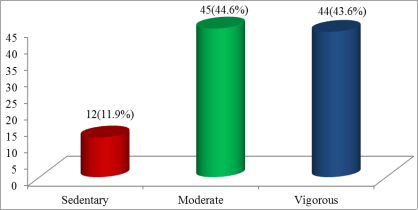
Figure 2. Distribution of respondents by physical activity (n=101).
Figure 2 shows that out of the 101 respondents, 45 (44.6%) respondents did moderate physical activities, and only 12 (11.9%) did sedentary physical activities.
Table 3. Distribution of the physical activities of the respondents by glycemic status.
Physical activity
N
Mean fasting blood glucose level
Mean blood glucose level 2 hours after breakfast
Sedentary
12 (11.8%)
11.3250±2.80588
14.07±5.32672
Moderate
45 (44.55%)
9.6111±3.29084
13.19±4.78385
Vigorous
44 (43.56%)
7.5364±2.73684
11.53±6.71649
Total
101
8.9109±3.25625
12.57±5.78915
From above table it was evident that among 101 respondents 12 (11.88%) sedentary respondents had fasting Mean fasting blood glucose level 11.3250±2.80588 and Mean blood glucose level 2 hours after breakfast 14.07±5.32672, 45 (44.55%) moderate Physical activities respondents had Mean fasting blood glucose level 9.6111±3.29084 and Mean blood glucose level 2 hours after breakfast 13.19±4.78385, 44 (43.5%) vigorous physical activities respondents had Mean fasting blood glucose level 7.5364±2.73684 and Mean blood glucose level 2 hours after breakfast 11.53±6.71649.
Table 4. Correlation between Blood sugar level and MET score.
N
Mean
SD
Significance
Fasting blood Sugar
101
8.91
3.26
r= -0.372
p=0.000
Total MET score
101
2815.40
2890.53
Blood Sugar level 2 hrs after breakfast
101
12.57
5.78
r= -0.289
p=0.04
Total MET score
101
2815.40
2801.95
From the above table it is seen that there is a negative correlation between Fasting blood glucose and total MET score (r=-0.372) and the relation was statistically significant (p < 0.05), which indicates that fasting blood Sugar decreases with the increase of total MET score, again negative correlation was found between total MET score and blood Sugar level 2 hrs after breakfast and correlation was statistically significant (p < .05).
4. Discussion
The objective was the study was to find out the association between physical activity and glycaemic control among type 2 diabetes mellitus patients. Hundred one (101) type 2 diabetic patients were selected conveniently and a structured questionnaire was used for assessing physical activity and glycaemic status among the Type 2 diabetes mellitus patients.
It was revealed that the mean age of the respondents was 49.92 years with a standard deviation ± 8.36 years (Table 1). The finding accorded with study in January 2019 conducted by Hemalatha K, Karthikeyan k et al. They found mean age 52.19 with a standard deviation ± 11.08 years which was almost same as the present study. Another study was conducted by Bukht M s et al
[16]
Bukht MS, Ahmed K, Hossain S ET AL. Association between physical activity and diabetic complications among Bangladeshi type 2 diabetic patients.
. And found mean age 56 and SD ±8 years which was also closer to this study. Another study conducted by Qian W, Xu Z, Li F et al. on 05 Aug 2018. They found mean age 55.2 ± 8.5 years which had similarity with our study.
Among the respondents 69.3% were male and 30.7% were female (Table 2). This finding was not consistent with study conducted by Banerjee G et al. on 03 December 2019. They found 60.5% male and 39.5% female. Another study conducted by. Qian W, Xu Z, Li F et al. 05 Aug 2018. In their study they found men participants were 47.2% and while women participants were 52.8%.. which was not similar to this study.
A higher portion of the respondents were married (98.2%) and the rest 1.98% were widows. Among Hundred respondents, 28 (27.7%) were in the educational level of SSC, 27 (26.7%) were at secondary level, 21 (20.8%) were HSC level, graduate 14 (13.9%), primary level 7 (6.9%), masters level 3 (3%) and rest 1 (1.0%) were illiterate (Table 1). As illustrated in Figure 1, out of 101 respondents 43.6% were retired, 29.7% were housewives, 20.8% were in service and businessmen were 5.9%. This was because the study was conducted in outdoors, Endocrinology. Department of Combined Military Hospital, Dhaka, and the maximum number of respondents were military persons and their relations.
It was observed that most 50 (79.4%) of the respondent were hypertensive followed by 23 (36.5%) had CHD, 15 (23.8%) had asthma, 5 (7.9%) had CKD, 4 (6.3%) had CLD and 3 (4.8%) had Cancer. (Table 2). The findings were to some extent different from study conducted by Xueyu L, Kaushik C et al. on 2019. In which among 4777 respondents, they found Essential hypertension (49.4%), CHD (33.7%), non-toxic thyroid nodule (22.8%), CLD (20.6%), and cataract (10.7%) were the five most prevalent comorbidities.
The physical activities of the respondents were assessed by IPAQ (International Physical Activity Questionnaire). Among 101 respondents 45 (44.6%) did moderate Physical activities, 44 (43.6%) did vigorous physical activities and the remaining 12 (11.9%) did sedentary physical activities (Figure 2). O Willium et al in the study found that high physical activity (21.33%), moderate physical activity (48%) and sedentary (inactive or low) physical activity 30.67% which was not consistent from our study.
Among respondents, sedentary respondents had a mean fasting blood glucose level of 11.3250±2.80588 and a mean blood glucose level 2 hours after breakfast of 14.07±5.32672, moderate Physical activities respondents had a mean fasting blood glucose level 9.6111±3.29084 and Mean blood glucose level 2 hours after breakfast 13.19±4.78385, vigorous physical activities respondents had Mean fasting blood glucose level 7.5364±2.73684 and Mean blood glucose level 2 hours after breakfast 11.53±6.71649 (Table 3). Subhash M C. Sendil D. K, and Ragunatha S at el. In their study stated that low/sedentary PA respondents had FBS level 8.56±0.46 mmol/l and mean blood sugar 2 hours after breakfast 10.062± 0.493, Moderate FBS Level 8.303±0.421 mmol/l and two hours after breakfast 9.523±0.343, Vigorous PA 7.85±0.25 mmol/l and 2 hours after breakfast 9.041 ± 0.344. In this study, it is revealed that both fasting and 2 hours after breakfast were decreased in Vigorous PA which was similar in our study.
Correlation between fasting blood sugar and total MET score (Table 4) it was seen that there is a negative correlation between fasting blood glucose and total MET score (r=-0.372) and the relation was statistically significant (p < 0.05), which indicated that fasting blood Sugar decreased with the increased of total MET score.
From the Table 4, it was seen that there is a negative correlation between total MET score and blood sugar level 2 hours after breakfast (r=-0.289) and the relation was statistically significant (p < 0.05), which indicated that blood sugar level 2 hours after breakfast decreased with the increased of total MET score.
5. Conclusion
To the best of our knowledge, this is the first study in Bangladesh Armed Forces to assess the status of physical activity and glycaemic control among the Type 2 DM Patients attending at Endocrinology Department of Combined Military Hospital, Dhaka. Findings revealed that physical activity is the cornerstone of glycaemic control in type 2 Diabetes mellitus patients. The result of MET Score had a negative correlation with the glycaemic status. MET Score encompassed exercise intensity in terms of time duration and type of physical activities were associated with improved glycemic control. Evidence was not clear for the optimal exercise dose for glycaemic status. To find out the clear reason in these regards more in-depth study is required. Therefore, physicians and healthcare providers should encourage physical activity as a tool to improve glycaemic status in Type 2 Diabetes Mellitus patients.
Conflicts of Interest
The authors declare no conflict of interest.
References
[1]
Teich T, Zaharieva DP, Riddell MC. Advances in exercise, physical activity, and diabetes mellitus. Diabetes technology & therapeutics. 2019 Feb 1; 21(S1): S-112.
[2]
American Diabetes Association. Physical activity/exercise and diabetes mellitus. Diabetes care. 2003 Jan 1; 26(suppl_1): s73-7.
[3]
Jawad A. Lawati A et al on Diabetes Mellitus: A Local and Global Public Health Emergency! 2017 May; 32(3): 177–179.
Sheri R. Colberg; Ronald J. Sigal; Jane E. Yardley at el on Physical Activity/Exercise and Diabetes: A Position Statement of the American Diabetes Association Diabetes Care 2016; 39(11): 2065–2079.
Klein, S., Sheard, N. F., Pi-Sunyer, X., Daly, A., Wylie-Rosett, J., Kulkarni, K. and Clark, N. G., 2004. Weight management through lifestyle modification for the prevention and management of type 2 diabetes: rationale and strategies. A statement of the American Diabetes Association, the North American Association for the Study of Obesity, and the American Society for Clinical Nutrition. TheAmericanjournalofclinicalnutrition, 80(2): 257-263.
[6]
Pate RR, Pratt M, Blair SN, Haskell WL, Macera CA, Bouchard C, Buchner D, Ettinger W, Heath GW, King AC, Kriska A. Physical activity and public health: a recommendation from the Centers for Disease Control and Prevention and the American College of Sports Medicine. Jama. 1995 Feb 1; 273(5): 402-7.
[7]
US Department of Health and Human Services. Increasing physical activity. A report on recommendations of the Task Force on Community Preventive Services. MMWR Recomm Rep. 2001; 50: 1-4.
[8]
Thompson PD, Buchner D, Piña IL, Balady GJ, Williams MA, Marcus BH, Berra K, Blair SN, Costa F, Franklin B, Fletcher GF. Exercise and physical activity in the prevention and treatment of atherosclerotic cardiovascular disease: a statement from the Council on Clinical Cardiology (Subcommittee on Exercise, Rehabilitation, and Prevention) and the Council on Nutrition, Physical Activity, and Metabolism (Subcommittee on Physical Activity). Circulation. 2003 Jun 24; 107(24): 3109-16.
[9]
Sigal RJ, Kenny GP, Wasserman DH, Castaneda-Sceppa C. Physical activity/exercise and type 2 diabetes. Diabetes care. 2004 Oct 1; 27(10): 2518-39.
[10]
Jakicic JM, Marcus BH, Gallagher KI, Napolitano M, Lang W. Effect of exercise duration and intensity on weight loss in overweight, sedentary women: a randomized trial. Jama. 2003 Sep 10; 290(10): 1323-30.
[11]
James Osei-Yeboah, William Owiredu, Gameli Norgbe, at el. On Physical Activity Pattern and Its Association with Glycaemic and Blood Pressure Control among People Living with Diabetes (PLWD) In The Ho Municipality, Ghana in Euthopian Journal of Health Science 2019 Jan; 29(1): 819–830.
Tanasescu M, Leitzmann MF, Rimm EB, Hu FB. Physical activity in relation to cardiovascular disease and total mortality among men with type 2 diabetes. Circulation. 2003 May 20; 107(19): 2435-9.
[13]
Rafferty AP, Reeves MJ, McGee HB, Pivarnik JM. Physical activity patterns among walkers and compliance with public health recommendations. Medicine and science in sports and exercise. 2002 Aug 1; 34(8): 1255-61.
[14]
Hu FB, Sigal RJ, Rich-Edwards JW, Colditz GA, Solomon CG, Willett WC, Speizer FE, Manson JE. Walking compared with vigorous physical activity and risk of type 2 diabetes in women: a prospective study. Jama. 1999 Oct 20; 282(15): 1433-9.
[15]
Forde C. Scoring the international physical activity questionnaire (IPAQ). University of Dublin. 2018; 3.
[16]
Bukht MS, Ahmed K, Hossain S ET AL. Association between physical activity and diabetic complications among Bangladeshi type 2 diabetic patients.
Fazl-E-Elahi, L. C. M., Arifuzzaman, M., Hossain, M. M. (2026). Status of Physical Activity and Glycemic Control Among the Type 2 DM Attending at Combined Military Hospital, Dhaka. International Journal of Diabetes and Endocrinology, 11(3), 28-33. https://doi.org/10.11648/j.ijde.20261103.11
Fazl-E-Elahi, L. C. M.; Arifuzzaman, M.; Hossain, M. M. Status of Physical Activity and Glycemic Control Among the Type 2 DM Attending at Combined Military Hospital, Dhaka. Int. J. Diabetes Endocrinol.2026, 11(3), 28-33. doi: 10.11648/j.ijde.20261103.11
Fazl-E-Elahi LCM, Arifuzzaman M, Hossain MM. Status of Physical Activity and Glycemic Control Among the Type 2 DM Attending at Combined Military Hospital, Dhaka. Int J Diabetes Endocrinol. 2026;11(3):28-33. doi: 10.11648/j.ijde.20261103.11
@article{10.11648/j.ijde.20261103.11,
  author = {Lieutenant Colonel Muhammad Fazl-E-Elahi and Major Arifuzzaman and Major Mosharaf Hossain},
  title = {Status of Physical Activity and Glycemic Control Among the Type 2 DM Attending at Combined Military Hospital, Dhaka},
  journal = {International Journal of Diabetes and Endocrinology},
  volume = {11},
  number = {3},
  pages = {28-33},
  doi = {10.11648/j.ijde.20261103.11},
  url = {https://doi.org/10.11648/j.ijde.20261103.11},
  eprint = {https://article.sciencepublishinggroup.com/pdf/10.11648.j.ijde.20261103.11},
  abstract = {Obesity and physical inactivity are important clinical and lifestyle factors in the progression of Type 2 diabetes mellitus. A high-calorie diet contributes mainly to the development of obesity resulting in Type 2 diabetes mellitus. Obesity or increased intra-abdominal adipose tissue is interrelated to insulin resistance. Exercise reduces body weight and makes a potential mechanism for the maintenance of glucose homeostasis and remission of Type 2 Diabetes. The objective of the study was to evaluate the status of physical activity and glycemic control among Type 2 DM. This was a descriptive type of Cross-Sectional study conducted from April 2022 to December 2022 at Combined Military Hospital, Dhaka. DM was diagnosed by a concerned physician and reported at the Outpatient Department of Endocrinology, Combined Military Hospital, and Dhaka. Out of 101 respondents, the majority of the respondent was in the age group 41-50 years, the mean age of the respondents were 49.92±8.36. Maximum respondents 70 (69.3%) were male. 98.2% of the respondents were married and only 1.98% were widowed. Regarding educational status, 54.4% were secondary qualified and 7.9% were primary qualified. Most 50 (79.4%) of the respondents were hypertensive followed by 23 (36.5%) had CHD, 15 (23.8%) had asthma, 5 (7.9%) had CKD, 4 (6.3%) respondents had CLD and 3 (4.8%) had Cancer. A maximum of 45 (44.6%) respondents did moderate Physical activities. A negative correlation was found between Physical exercise and total MET score. Findings revealed that physical activity is the cornerstone of glycemic control in type 2 Diabetes mellitus patients. The result of the MET Score had a negative correlation with the glycaemic status.},
 year = {2026}
}
TY  - JOUR
T1  - Status of Physical Activity and Glycemic Control Among the Type 2 DM Attending at Combined Military Hospital, Dhaka
AU  - Lieutenant Colonel Muhammad Fazl-E-Elahi
AU  - Major Arifuzzaman
AU  - Major Mosharaf Hossain
Y1  - 2026/08/24
PY  - 2026
N1  - https://doi.org/10.11648/j.ijde.20261103.11
DO  - 10.11648/j.ijde.20261103.11
T2  - International Journal of Diabetes and Endocrinology
JF  - International Journal of Diabetes and Endocrinology
JO  - International Journal of Diabetes and Endocrinology
SP  - 28
EP  - 33
PB  - Science Publishing Group
SN  - 2640-1371
UR  - https://doi.org/10.11648/j.ijde.20261103.11
AB  - Obesity and physical inactivity are important clinical and lifestyle factors in the progression of Type 2 diabetes mellitus. A high-calorie diet contributes mainly to the development of obesity resulting in Type 2 diabetes mellitus. Obesity or increased intra-abdominal adipose tissue is interrelated to insulin resistance. Exercise reduces body weight and makes a potential mechanism for the maintenance of glucose homeostasis and remission of Type 2 Diabetes. The objective of the study was to evaluate the status of physical activity and glycemic control among Type 2 DM. This was a descriptive type of Cross-Sectional study conducted from April 2022 to December 2022 at Combined Military Hospital, Dhaka. DM was diagnosed by a concerned physician and reported at the Outpatient Department of Endocrinology, Combined Military Hospital, and Dhaka. Out of 101 respondents, the majority of the respondent was in the age group 41-50 years, the mean age of the respondents were 49.92±8.36. Maximum respondents 70 (69.3%) were male. 98.2% of the respondents were married and only 1.98% were widowed. Regarding educational status, 54.4% were secondary qualified and 7.9% were primary qualified. Most 50 (79.4%) of the respondents were hypertensive followed by 23 (36.5%) had CHD, 15 (23.8%) had asthma, 5 (7.9%) had CKD, 4 (6.3%) respondents had CLD and 3 (4.8%) had Cancer. A maximum of 45 (44.6%) respondents did moderate Physical activities. A negative correlation was found between Physical exercise and total MET score. Findings revealed that physical activity is the cornerstone of glycemic control in type 2 Diabetes mellitus patients. The result of the MET Score had a negative correlation with the glycaemic status.
VL  - 11
IS  - 3
ER  -
Fazl-E-Elahi, L. C. M., Arifuzzaman, M., Hossain, M. M. (2026). Status of Physical Activity and Glycemic Control Among the Type 2 DM Attending at Combined Military Hospital, Dhaka. International Journal of Diabetes and Endocrinology, 11(3), 28-33. https://doi.org/10.11648/j.ijde.20261103.11
Fazl-E-Elahi, L. C. M.; Arifuzzaman, M.; Hossain, M. M. Status of Physical Activity and Glycemic Control Among the Type 2 DM Attending at Combined Military Hospital, Dhaka. Int. J. Diabetes Endocrinol.2026, 11(3), 28-33. doi: 10.11648/j.ijde.20261103.11
Fazl-E-Elahi LCM, Arifuzzaman M, Hossain MM. Status of Physical Activity and Glycemic Control Among the Type 2 DM Attending at Combined Military Hospital, Dhaka. Int J Diabetes Endocrinol. 2026;11(3):28-33. doi: 10.11648/j.ijde.20261103.11
@article{10.11648/j.ijde.20261103.11,
  author = {Lieutenant Colonel Muhammad Fazl-E-Elahi and Major Arifuzzaman and Major Mosharaf Hossain},
  title = {Status of Physical Activity and Glycemic Control Among the Type 2 DM Attending at Combined Military Hospital, Dhaka},
  journal = {International Journal of Diabetes and Endocrinology},
  volume = {11},
  number = {3},
  pages = {28-33},
  doi = {10.11648/j.ijde.20261103.11},
  url = {https://doi.org/10.11648/j.ijde.20261103.11},
  eprint = {https://article.sciencepublishinggroup.com/pdf/10.11648.j.ijde.20261103.11},
  abstract = {Obesity and physical inactivity are important clinical and lifestyle factors in the progression of Type 2 diabetes mellitus. A high-calorie diet contributes mainly to the development of obesity resulting in Type 2 diabetes mellitus. Obesity or increased intra-abdominal adipose tissue is interrelated to insulin resistance. Exercise reduces body weight and makes a potential mechanism for the maintenance of glucose homeostasis and remission of Type 2 Diabetes. The objective of the study was to evaluate the status of physical activity and glycemic control among Type 2 DM. This was a descriptive type of Cross-Sectional study conducted from April 2022 to December 2022 at Combined Military Hospital, Dhaka. DM was diagnosed by a concerned physician and reported at the Outpatient Department of Endocrinology, Combined Military Hospital, and Dhaka. Out of 101 respondents, the majority of the respondent was in the age group 41-50 years, the mean age of the respondents were 49.92±8.36. Maximum respondents 70 (69.3%) were male. 98.2% of the respondents were married and only 1.98% were widowed. Regarding educational status, 54.4% were secondary qualified and 7.9% were primary qualified. Most 50 (79.4%) of the respondents were hypertensive followed by 23 (36.5%) had CHD, 15 (23.8%) had asthma, 5 (7.9%) had CKD, 4 (6.3%) respondents had CLD and 3 (4.8%) had Cancer. A maximum of 45 (44.6%) respondents did moderate Physical activities. A negative correlation was found between Physical exercise and total MET score. Findings revealed that physical activity is the cornerstone of glycemic control in type 2 Diabetes mellitus patients. The result of the MET Score had a negative correlation with the glycaemic status.},
 year = {2026}
}
TY  - JOUR
T1  - Status of Physical Activity and Glycemic Control Among the Type 2 DM Attending at Combined Military Hospital, Dhaka
AU  - Lieutenant Colonel Muhammad Fazl-E-Elahi
AU  - Major Arifuzzaman
AU  - Major Mosharaf Hossain
Y1  - 2026/08/24
PY  - 2026
N1  - https://doi.org/10.11648/j.ijde.20261103.11
DO  - 10.11648/j.ijde.20261103.11
T2  - International Journal of Diabetes and Endocrinology
JF  - International Journal of Diabetes and Endocrinology
JO  - International Journal of Diabetes and Endocrinology
SP  - 28
EP  - 33
PB  - Science Publishing Group
SN  - 2640-1371
UR  - https://doi.org/10.11648/j.ijde.20261103.11
AB  - Obesity and physical inactivity are important clinical and lifestyle factors in the progression of Type 2 diabetes mellitus. A high-calorie diet contributes mainly to the development of obesity resulting in Type 2 diabetes mellitus. Obesity or increased intra-abdominal adipose tissue is interrelated to insulin resistance. Exercise reduces body weight and makes a potential mechanism for the maintenance of glucose homeostasis and remission of Type 2 Diabetes. The objective of the study was to evaluate the status of physical activity and glycemic control among Type 2 DM. This was a descriptive type of Cross-Sectional study conducted from April 2022 to December 2022 at Combined Military Hospital, Dhaka. DM was diagnosed by a concerned physician and reported at the Outpatient Department of Endocrinology, Combined Military Hospital, and Dhaka. Out of 101 respondents, the majority of the respondent was in the age group 41-50 years, the mean age of the respondents were 49.92±8.36. Maximum respondents 70 (69.3%) were male. 98.2% of the respondents were married and only 1.98% were widowed. Regarding educational status, 54.4% were secondary qualified and 7.9% were primary qualified. Most 50 (79.4%) of the respondents were hypertensive followed by 23 (36.5%) had CHD, 15 (23.8%) had asthma, 5 (7.9%) had CKD, 4 (6.3%) respondents had CLD and 3 (4.8%) had Cancer. A maximum of 45 (44.6%) respondents did moderate Physical activities. A negative correlation was found between Physical exercise and total MET score. Findings revealed that physical activity is the cornerstone of glycemic control in type 2 Diabetes mellitus patients. The result of the MET Score had a negative correlation with the glycaemic status.
VL  - 11
IS  - 3
ER  -




 Share This Article
 Twitter
 Linked In
 Facebook
 Copy
Copy Download