Abstract
Background: Domestic violence is a major public health, human rights, and criminal justice issue worldwide. In Guinea, medico-legal evidence on domestic violence remains scarce despite its growing social and judicial importance. This study aimed to describe the epidemiological, contextual, and medico-legal characteristics of domestic violence cases examined at the Forensic Medicine Unit of the Regional Hospital of Conakry. Methods: A descriptive cross-sectional study was conducted using medico-legal records collected between January 1, 2022, and December 31, 2024. All victims of domestic violence examined during the study period were included. Data on socio-demographic characteristics, relationship to the perpetrator, circumstances of violence, injury patterns, instruments used, and Total Temporary Incapacity (TTI) were extracted and analyzed using descriptive statistics. Results: Among 3,693 medico-legal consultations, 579 (15.7%) involved domestic violence. Women accounted for 52.8% of victims, while 66.5% were aged 20–39 years. Most victims were married (54.8%), unemployed (36.9%), and resided in densely populated urban or peri-urban areas. Perpetrators were mainly husbands (35.9%) and in-laws (39.0%). Family disputes were the leading reported cause of violence (64.7%). Physical violence predominated (61.7%), with contusions representing the most common injuries (44.7%). The head and neck were the most frequently affected anatomical regions (40.9%), and blunt objects were the principal instruments used (63.6%). Most victims had a Total Temporary Incapacity of 21 days or less (94.5%), although severe cases requiring longer incapacity were also identified. Conclusions: Domestic violence represents a substantial proportion of medico-legal activity in Conakry and predominantly affects socio-economically vulnerable young adults. The findings highlight the importance of strengthening forensic medicine services, improving multidisciplinary victim support, and reinforcing coordination between health, social, and judicial sectors to enhance prevention, documentation, and protection of victims.
Keywords
Domestic Violence, Forensic Medicine, Medico-legal Examination, Victimology, Criminology, Guinea, Conakry
1. Introduction
Domestic violence constitutes one of the most persistent and socially embedded forms of interpersonal violence worldwide. Unlike violence occurring in public spaces, it unfolds within intimate and family relationships characterised by emotional attachment, economic dependence, and social obligation, making disclosure and intervention particularly complex. It encompasses physical, sexual, psychological, and economic abuse occurring between intimate partners and within extended family structures
| [1] | Krug EG, Dahlberg LL, Mercy JA, Zwi AB, Lozano R, editors. World report on violence and health. Geneva: World Health Organization; 2002. Available from:
https://www.who.int/publications/i/item/9241545615 |
| [2] | World Health Organization. Violence against women prevalence estimates, 2018: Global, regional and national prevalence estimates for intimate partner violence against women and global and regional prevalence estimates for non-partner sexual violence against women. Geneva: World Health Organization; 2021. Available from:
https://www.who.int/publications/i/item/9789240022256 |
[1, 2]
. Beyond its immediate health consequences, domestic violence represents a major human rights and criminal justice concern, contributing to intergenerational cycles of violence, social normalisation of coercion, and significant economic costs for institutions and communities
| [3] | Jewkes R, Fulu E, Roselli T, Garcia-Moreno C. Prevalence and risk factors for non-partner rape perpetration: findings from the UN Multi-country Cross-sectional Study on Men and Violence in Asia and the Pacific. Lancet Global Health. 2013; 1(4): e208-e218. https://doi.org/10.1016/S2214-109X(13)70069-X |
| [4] | García-Moreno C, Hegarty K, d'Oliveira AFL, Koziol-McLain J, Colombini M, Feder G. The health-systems response to violence against women. Lancet. 2015; 385(9977): 1567-1579. https://doi.org/10.1016/S0140-6736(14)61837-7 |
[3, 4]
. In sub-Saharan Africa, domestic violence is shaped by socio-economic vulnerability, entrenched gender inequalities, and limited access to formal protection mechanisms
| [5] | Coker-Appiah D, Cusack K, editors. Breaking the Silence and Challenging the Myths of Violence against Women and Children in Ghana: Report of a National Study on Violence. Accra-North, Ghana: Gender Studies and Human Rights Documentation Centre; 1999. |
[5]
. Violence within the household is frequently perceived as a private matter, often managed through informal mediation rather than judicial intervention, which contributes to chronic under-reporting
. In such contexts, institutional data provide only a partial but critical window into the phenomenon. Medico-legal services occupy a strategic position at the intersection of healthcare and criminal justice. By documenting injuries and assessing Total Temporary Incapacity (TTI), forensic examinations translate private experiences of violence into legally recognisable evidence, directly influencing offence classification and penal response
. However, medico-legal data on domestic violence remain limited in West Africa, particularly in Guinea, where research has largely relied on community surveys or general hospital statistics with limited criminological analysis
| [8] | World Health Organization, London School of Hygiene & Tropical Medicine. Preventing intimate partner and sexual violence against women: Taking action and generating evidence. Geneva: World Health Organization; 2010. Available from:
https://www.who.int/publications/i/item/9789241564007 |
[8]
. In Guinea, domestic violence is embedded in complex family configurations that may include extended kinship networks, polygamous unions, and marked socio-economic inequalities. Informal conflict resolution frequently predominates, further obscuring the scale and characteristics of abuse. When cases reach judicial authorities, medico-legal expertise often constitutes the primary objective basis for institutional recognition of violence. Drawing on data from the Forensic Medicine Unit of the Regional Hospital of Conakry, this study examines domestic violence through a socio-structural and criminological lens. It aims to analyse victim profiles, family dynamics, injury patterns, and institutional responses, thereby contributing empirical evidence to the African social sciences literature and informing more effective, context-sensitive prevention and protection strategies in Guinea.
2. Materials and Methods
2.1. Study Setting
This study was conducted at the Forensic Medicine Unit of the Regional Hospital of Conakry, a referral facility for medico-legal examinations in the Guinean capital. The unit examines victims of interpersonal violence referred by judicial authorities (formal requisitions) or presenting spontaneously in the context of a complaint or ongoing criminal proceedings. As an interface between the health system and the justice system, the unit constitutes a strategic observatory of intrafamilial violence, enabling combined clinical, social, and legal analyses. Conakry is characterised by high population density, rapid urbanisation, and marked socio-economic inequalities. Family structures frequently include extended households, intergenerational cohabitation, and polygamous unions, which may influence both the occurrence and dynamics of intrafamilial violence.
2.2. Study Design and Period
We conducted a descriptive cross-sectional study with criminological and medico-legal aims, covering a three-year period from 1 January 2022 to 31 December 2024. The objective was to provide an exhaustive description of victim profiles, circumstances of violence, injury patterns, and medico-legal consequences, without intervention on the studied variables.
2.3. Study Population, Inclusion and Exclusion Criteria
The study population comprised all persons examined for intrafamilial violence during the study period. We included all victims, regardless of age or sex, whose alleged assault occurred within the family or intimate sphere. Intrafamilial violence was defined as any intentional act of physical, psychological, sexual, or economic violence committed by a family member or intimate partner, including spouse/ex-spouse, co-wife, in-laws, parents, siblings, children, or other members of the extended family (WHO, 2010). We excluded incomplete records that prevented reliable analysis of essential variables, and cases of interpersonal violence occurring outside the family context (neighbourhood conflicts, street assaults, workplace altercations).
2.4. Data Collection Procedures and Variables
Data were collected systematically from medico-legal files using a standardised data collection form routinely used in the unit. The form was completed at the time of examination based on (i) a medico-legal interview with the victim, (ii) a full clinical examination, and (iii) information recorded in the judicial requisition or complaint. Collected variables included: socio-demographic characteristics (age, sex, marital status, educational level, occupation, and area of residence), circumstances of violence (relationship to perpetrator, place and reported motive), type and form of violence (physical, sexual, combined), injury characteristics (type, number, anatomical location), alleged instruments (bare hands, blunt objects, sharp objects, combined, thermal agents), and medico-legal outcomes, particularly Total Temporary Incapacity (TTI).
2.5. Medico-Legal Examination and Injury Assessment
All examinations were performed by trained forensic physicians following standard medico-legal practice. Injuries were documented in detail (type, anatomical location, dimensions, evolution stage) and assessed for consistency with the alleged mechanism. TTI was estimated in days according to local medico-legal practice, considering both injury severity and functional impact, and was categorised as ≤21 days versus >21 days for legal interpretation (Baccino & Schmitt, 2018).
2.6. Data Analysis
Categorical variables were described using frequencies and percentages, and quantitative variables using means/medians and ranges where appropriate. Given the descriptive objectives, analyses relied primarily on descriptive statistics. Findings were then interpreted within a criminological and victimological framework, linking victim profiles, contexts of violence, and medico-legal consequences.
2.7. Ethical Considerations
The study adhered to ethical principles for research involving human participants. Data confidentiality and anonymity were strictly ensured; no identifiable personal information was used for analysis or publication. Informed consent was obtained prior to medico-legal examination and scientific use of the data. Administrative authorisation was obtained from the management of the Regional Hospital of Conakry, and ethical approval was granted in accordance with national requirements. The study also followed WH recommendations for research on domestic violence (WHO, 2010).
2.8. Criminological Implications
Domestic violence should not be interpreted as isolated incidents but as a continuum of behaviours embedded in relational and structural dynamics
| [11] | Sardinha L, Maheu-Giroux M, Stöckl H, Meyer SR, García-Moreno C. Global, regional, and national prevalence estimates of physical or sexual, or both, intimate partner violence against women in 2018. Lancet. 2022; 399(10327): 803-813. Available from: https://doi.org/10.1016/S0140-6736(21)02664-7 |
| [12] | Heise LL, Kotsadam A. Cross-national and multilevel correlates of partner violence: an analysis of data from population-based surveys. Lancet Glob Health. 2015; 3(6): e332-e340. Available from:
https://doi.org/10.1016/S2214-109X(15)00013-3 |
[11, 12]
. The predominance of young adults and the centrality of conjugal and extended family contexts point to interactional tensions shaped by economic stress, hierarchy, and power imbalance
. The frequent use of readily available domestic means further reflects the situational nature of these assaults, consistent with ecological models of violence
. These findings underscore the importance of prevention strategies that address not only individual behaviour but also broader socio-economic and relational determinants of violence
| [9] | World Health Organization. Global status report on violence prevention 2014. Geneva: World Health Organization; 2014. Available from:
https://www.who.int/publications/i/item/9789241564793 |
| [14] | Abramsky T, Devries KM, Michau L, Nakuti J, Musuya T, Kiss L, et al. Ecological pathways to prevention: How does the SASA! community mobilisation model work to prevent physical intimate partner violence against women? BMC Public Health. 2016; 16: 339.
https://doi.org/10.1186/s12889-016-3018-9 |
[9, 14]
.
2.9. Victimological Implications
The diversity of victim profiles—including women, men, children, and older persons—confirms the transversal nature of domestic violence
| [3] | Jewkes R, Fulu E, Roselli T, Garcia-Moreno C. Prevalence and risk factors for non-partner rape perpetration: findings from the UN Multi-country Cross-sectional Study on Men and Violence in Asia and the Pacific. Lancet Global Health. 2013; 1(4): e208-e218. https://doi.org/10.1016/S2214-109X(13)70069-X |
| [13] | United Nations Office on Drugs and Crime. Global Study on Homicide 2023. Vienna: United Nations Office on Drugs and Crime; 2023. Available from:
https://doi.org/10.18356/9789213587386 |
[3, 13]
. While women remain slightly overrepresented, the significant proportion of male victims calls for an inclusive victimological approach
| [11] | Sardinha L, Maheu-Giroux M, Stöckl H, Meyer SR, García-Moreno C. Global, regional, and national prevalence estimates of physical or sexual, or both, intimate partner violence against women in 2018. Lancet. 2022; 399(10327): 803-813. Available from: https://doi.org/10.1016/S0140-6736(21)02664-7 |
| [13] | United Nations Office on Drugs and Crime. Global Study on Homicide 2023. Vienna: United Nations Office on Drugs and Crime; 2023. Available from:
https://doi.org/10.18356/9789213587386 |
[11, 13]
. Socio-economic precarity and limited educational attainment exacerbate vulnerability and restrict access to formal protection mechanisms
| [5] | Coker-Appiah D, Cusack K, editors. Breaking the Silence and Challenging the Myths of Violence against Women and Children in Ghana: Report of a National Study on Violence. Accra-North, Ghana: Gender Studies and Human Rights Documentation Centre; 1999. |
| [14] | Abramsky T, Devries KM, Michau L, Nakuti J, Musuya T, Kiss L, et al. Ecological pathways to prevention: How does the SASA! community mobilisation model work to prevent physical intimate partner violence against women? BMC Public Health. 2016; 16: 339.
https://doi.org/10.1186/s12889-016-3018-9 |
[5, 14]
. Social norms that tolerate intra-household violence further contribute to under-reporting and delayed help-seeking
. Although forensic medicine facilitates institutional recognition of violence, its emphasis on physical injury and TTI may underestimate psychological, economic, and coercive dimensions of abuse
| [4] | García-Moreno C, Hegarty K, d'Oliveira AFL, Koziol-McLain J, Colombini M, Feder G. The health-systems response to violence against women. Lancet. 2015; 385(9977): 1567-1579. https://doi.org/10.1016/S0140-6736(14)61837-7 |
| [16] | Peterman A, Potts A, O'Donnell M, Thompson K, Shah N, Oertelt-Prigione S, et al. Pandemics and Violence Against Women and Children. Center for Global Development Working Paper 528. Washington (DC): Center for Global Development; 2020. Available from:
https://www.cgdev.org/publication/pandemics-and-violence-against-women-and-children |
[4, 16]
. A more integrated victim-centred model combining medico-legal, psychological, and social support is therefore warranted
| [5] | Coker-Appiah D, Cusack K, editors. Breaking the Silence and Challenging the Myths of Violence against Women and Children in Ghana: Report of a National Study on Violence. Accra-North, Ghana: Gender Studies and Human Rights Documentation Centre; 1999. |
| [7] | Madea B, editor. Handbook of Forensic Medicine. 2nd ed. Oxford: Wiley; 2022. Available from:
https://doi.org/10.1002/9781119648628 |
[5, 7]
.
2.10. Criminal Justice Implications
Forensic medical expertise remains central to the legal qualification of domestic violence offences
. The reliance on Total Temporary Incapacity (TTI) as a determinant of penal severity, however, may underestimate cumulative and non-visible harm, particularly in cases of repeated abuse
| [11] | Sardinha L, Maheu-Giroux M, Stöckl H, Meyer SR, García-Moreno C. Global, regional, and national prevalence estimates of physical or sexual, or both, intimate partner violence against women in 2018. Lancet. 2022; 399(10327): 803-813. Available from: https://doi.org/10.1016/S0140-6736(21)02664-7 |
| [14] | Abramsky T, Devries KM, Michau L, Nakuti J, Musuya T, Kiss L, et al. Ecological pathways to prevention: How does the SASA! community mobilisation model work to prevent physical intimate partner violence against women? BMC Public Health. 2016; 16: 339.
https://doi.org/10.1186/s12889-016-3018-9 |
[11, 14]
. Greater judicial recognition of contextual factors—such as repetition, coercive control, and power asymmetry—could improve proportionality and victim protection
| [12] | Heise LL, Kotsadam A. Cross-national and multilevel correlates of partner violence: an analysis of data from population-based surveys. Lancet Glob Health. 2015; 3(6): e332-e340. Available from:
https://doi.org/10.1016/S2214-109X(15)00013-3 |
[12]
. Ensuring equitable access to forensic services is also critical, as financial and administrative barriers may limit victims’ ability to produce legally recognised evidence
| [3] | Jewkes R, Fulu E, Roselli T, Garcia-Moreno C. Prevalence and risk factors for non-partner rape perpetration: findings from the UN Multi-country Cross-sectional Study on Men and Violence in Asia and the Pacific. Lancet Global Health. 2013; 1(4): e208-e218. https://doi.org/10.1016/S2214-109X(13)70069-X |
[3]
. Prevention and public action: Addressing domestic violence requires a multidimensional approach. Primary prevention should focus on transforming social norms and promoting gender equality
| [11] | Sardinha L, Maheu-Giroux M, Stöckl H, Meyer SR, García-Moreno C. Global, regional, and national prevalence estimates of physical or sexual, or both, intimate partner violence against women in 2018. Lancet. 2022; 399(10327): 803-813. Available from: https://doi.org/10.1016/S0140-6736(21)02664-7 |
| [15] | Seff I. Social Norms Sustaining Intimate Partner Violence: A Systematic Review of Methodologies for Proxy Measures. Trauma Violence Abuse. 2022; 23(5): 1708-1727.
https://doi.org/10.1177/15248380211013141 |
[11, 15]
. Secondary prevention can rely on healthcare and community actors to identify risk situations early
| [5] | Coker-Appiah D, Cusack K, editors. Breaking the Silence and Challenging the Myths of Violence against Women and Children in Ghana: Report of a National Study on Violence. Accra-North, Ghana: Gender Studies and Human Rights Documentation Centre; 1999. |
| [14] | Abramsky T, Devries KM, Michau L, Nakuti J, Musuya T, Kiss L, et al. Ecological pathways to prevention: How does the SASA! community mobilisation model work to prevent physical intimate partner violence against women? BMC Public Health. 2016; 16: 339.
https://doi.org/10.1186/s12889-016-3018-9 |
[5, 14]
. Tertiary prevention demands coordinated institutional responses linking justice, health, and psychosocial services
. Integrated support mechanisms—such as multidisciplinary or “one-stop” services—appear particularly promising in strengthening victim protection pathways
| [5] | Coker-Appiah D, Cusack K, editors. Breaking the Silence and Challenging the Myths of Violence against Women and Children in Ghana: Report of a National Study on Violence. Accra-North, Ghana: Gender Studies and Human Rights Documentation Centre; 1999. |
| [7] | Madea B, editor. Handbook of Forensic Medicine. 2nd ed. Oxford: Wiley; 2022. Available from:
https://doi.org/10.1002/9781119648628 |
[5, 7]
. Within such systems, forensic medicine plays a key institutional role in bridging private violence and public justice
.
3. Results
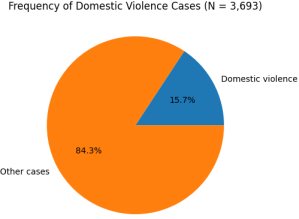
Figure 1 illustrates the institutional visibility of domestic violence within medico-legal activity. Of the 3,693 consultations recorded during the study period, 15.7% (n = 579) concerned domestic or intrafamilial violence, highlighting the significant, though likely underestimated, presence of family-based violence within formal justice pathways.
Figure 1. Proportion of domestic violence cases among all medico-legal consultations.
As shown in
Table 1, domestic violence victims were predominantly young adults and socio-economically vulnerable individuals. Women represented a slight majority (52.8%), while the age distribution was concentrated in the 20-39-year range (66.5%). More than half of victims were married (54.8%), and unemployment was frequent (36.9%), reflecting structural economic vulnerability. Cases were geographically concentrated in densely populated urban and peri-urban areas, particularly Tombolia (33.5%) and Coyah (18.1%).
Table 1. Epidemiological Profile of Domestic Violence Victims (N = 579).
Variables | Categories | Number | Pourcentage (%) |
Sex | Male | 274 | 47.2 |
Female | 306 | 52.8 |
Age group (years) | 10-19 | 118 | 20.34 |
20-29 | 208 | 35.86 |
30-39 | 178 | 30.69 |
40-49 | 39 | 6.72 |
≥50 | 37 | 6.38 |
Marital status | Married | 318 | 54.83 |
Single | 168 | 28.97 |
Divorced | 20 | 3.45 |
Widowed | 74 | 12.76 |
Occupation | Students | 37 | 6.38 |
Civil servants / Salaried workers | 25 | 4.31 |
Traders | 150 | 25.86 |
Artisans / Manual workers | 154 | 26.55 |
Unemployed | 214 | 36.90 |
Area of residence | Gbessia | 14 | 2.41 |
Matoto | 73 | 12.59 |
Ratoma | 8 | 1.38 |
Sonfonia | 48 | 8.28 |
Tombolia | 194 | 33.45 |
Lambanyi | 11 | 1.90 |
Kagbelen | 14 | 2.41 |
Sanoyah | 87 | 15.00 |
Coyah | 105 | 18.10 |
Dubreka | 26 | 4.48 |
As shown in
Table 2, domestic violence was strongly embedded in family hierarchies and socio-educational vulnerability. A substantial proportion of victims were illiterate (40.5%), reflecting structural disadvantage. Perpetrators were primarily located within conjugal and extended family networks, particularly in-laws (39.0%) and husbands (35.9%). Family disputes constituted the dominant precipitating factor (64.7%), suggesting chronic relational tensions. Physical violence was the most prevalent form (61.7%), and incidents occurred predominantly during daytime household interaction (63.6%).
Table 2. Contextual Characteristics of Domestic Violence (N = 579).
Variables | Categories | Number | Pourcentage (%) |
Educational level | Illiterate | 235 | 40.52 |
Primary education | 85 | 14.66 |
Vocational education | 15 | 2.59 |
Secondary education | 169 | 29.14 |
Upper secondary / equivalent | 76 | 13.10 |
Relationship to perpetrator | Husband | 208 | 35.86 |
Co-wife | 94 | 16.21 |
Immediate family | 17 | 2.93 |
In-laws | 226 | 38.97 |
Extended family | 35 | 6.03 |
Reported causes of violence | Sexual demand | 70 | 12.07 |
Family dispute | 375 | 64.66 |
Excessive irritability | 79 | 13.62 |
Jealousy | 56 | 9.66 |
Type of domestic violence | Extra-conjugal violence | 214 | 36.90 |
Conjugal violence | 182 | 31.38 |
Violence against older persons | 51 | 8.79 |
Violence against children | 133 | 22.93 |
Forms of violence | Physical | 358 | 61.72 |
Physical and sexual | 138 | 23.79 |
Sexual | 84 | 14.48 |
Time of occurrence | 19:00-06:59 | 211 | 36.38 |
07:00-18:59 | 369 | 63.62 |
As shown in
Table 3, injury patterns were consistent with close-contact violence. Contusions predominated (44.7%), and the head and neck were the most frequently affected anatomical regions (40.9%), reflecting direct interpersonal assault. Blunt objects were most commonly involved (63.6%), indicating opportunistic means readily available within the household environment. Although most cases were legally classified as mild to moderate based on TTI (≤21 days, 94.5%), a minority (5.5%) reflected more severe harm with potential aggravated judicial consequences.
Table 3. Medico-Legal Characteristics of Domestic Violence Cases (N = 579).
Variables | Categories | Number | Pourcentage (%) |
Nature of injuries | Fracture | 78 | 13.45 |
Contusion | 259 | 44.66 |
Dislocation | 33 | 5.69 |
Abrasion / Scratch | 96 | 16.55 |
Conjunctival haemorrhage | 57 | 9.83 |
Soft-tissue swelling | 34 | 5.86 |
Burn | 23 | 3.97 |
Anatomical location of injuries | Head and neck | 237 | 40.86 |
Thorax and abdomen | 78 | 13.45 |
Lower limbs | 101 | 17.41 |
Upper limbs | 113 | 19.48 |
Genital region | 51 | 8.79 |
Instruments used | Blunt object | 420 | 63.64 |
Sharp object | 68 | 10.30 |
Piercing object | 42 | 6.36 |
Blunt and sharp objects | 107 | 16.21 |
Thermal agent | 23 | 3.48 |
Total Temporary Incapacity (TTI) | ≤21 days | 548 | 94.48 |
>21 days | 32 | 5.52 |
4. Discussion
4.1. Medico-Legal Burden of Domestic Violence: A Significant But Underestimated Phenomenon
In the present study, domestic violence accounted for 15.7% of all medico-legal consultations conducted at the Regional Hospital of Conakry during the study period. This finding confirms that violence occurring within the family sphere represents a substantial medico-legal and judicial burden, regularly mobilising forensic services and, indirectly, the criminal justice system. Comparable hospital-based proportions have been reported in other African settings, where domestic or intimate partner violence generally represents between 10% and 20% of medico-legal consultations. In Guinea, a study conducted at the Donka National Hospital Forensic Medicine Unit reported a frequency of 13.52% for intimate partner violence among medico-legal consultations. The similarity between these figures suggests a relatively stable institutional visibility of domestic violence within forensic services. However, these hospital-based proportions must be interpreted as minimum estimates, as they only capture cases that reach medico-legal expertise, often in the context of a complaint or judicial requisition. At the population level, estimates are considerably higher. The World Health Organization reports that approximately 30% of women worldwide have experienced physical and/or sexual violence by an intimate partner during their lifetime
. The gap between community-based prevalence and medico-legal data reflects persistent under-reporting, driven by social tolerance of domestic violence, fear of stigma or retaliation, economic dependence, and reliance on informal conflict-resolution mechanisms.
4.2. Victim Profiles: Moderate Female Predominance and Medico-Legal Visibility of Male Victims
The slight predominance of female victims observed in this study (52.8%) is consistent with international evidence identifying women as the primary victims of domestic and intimate partner violence
| [3] | Jewkes R, Fulu E, Roselli T, Garcia-Moreno C. Prevalence and risk factors for non-partner rape perpetration: findings from the UN Multi-country Cross-sectional Study on Men and Violence in Asia and the Pacific. Lancet Global Health. 2013; 1(4): e208-e218. https://doi.org/10.1016/S2214-109X(13)70069-X |
[3]
. Nevertheless, the proportion of male victims (47.2%) is noteworthy and challenges simplified narratives that frame domestic violence exclusively as female victimisation. This relatively balanced sex distribution is likely influenced by the forensic context of data collection. Medico-legal services primarily capture cases with legal implications, where both men and women may seek objective documentation of injuries to support judicial claims. Similar patterns have been reported in Dakar, where community-based research highlighted a non-negligible proportion of men reporting experiences of domestic violence when confidential and structured data-collection methods were used
| [8] | World Health Organization, London School of Hygiene & Tropical Medicine. Preventing intimate partner and sexual violence against women: Taking action and generating evidence. Geneva: World Health Organization; 2010. Available from:
https://www.who.int/publications/i/item/9789241564007 |
[8]
. The mean age of 28.8 years, with a predominance of victims aged 20-39 years, aligns with findings from other African studies indicating that young adults are the most exposed to domestic violence. This life stage corresponds to periods of marital formation, child-rearing, economic stress, and extended family cohabitation—factors that may intensify interpersonal conflicts. Although children and older adults represented a minority of cases in this series, their presence confirms the cross-generational nature of domestic violence.
4.3. Conjugal and Extended Family Contexts: Specificities of West African Settings
More than half of the victims in this study were married (54.8%), underscoring the central role of the conjugal framework in the occurrence of domestic violence. Beyond intimate partners, perpetrators frequently included members of the extended family, particularly in-laws and co-wives in polygamous households. This configuration reflects socio-cultural realities specific to West African societies, where extended family structures and polygamy are relatively common. Unlike Western nuclear family models, domestic violence in these contexts often emerges within complex relational networks, involving multiple actors, hierarchies, and power dynamics. These arrangements may exacerbate tensions related to authority, resource allocation, jealousy, and social control, thereby increasing opportunities for violent interactions within the household. The predominance of family disputes as the reported motive should not be interpreted as a trivial cause. Rather, it likely represents an immediate trigger within a broader context of chronic relational conflict, economic stress, and gendered power imbalances. Criminological research consistently shows that domestic violence is rarely an isolated event but instead reflects repeated patterns of domination and coercion.
4.4. Injury Patterns: Consistency with Close-Contact Violence
From a medico-legal perspective, the predominance of physical violence, mainly resulting in contusions, is consistent with hospital-based studies across Africa. Psychological and economic violence, although frequently reported by victims during interviews, remain under-represented in medico-legal statistics due to the absence of objectively visible injuries and limited legal recognition. The frequent involvement of the head, neck, and upper limbs constitutes a classic injury pattern in close-contact violence. Injuries to the upper limbs are commonly associated with defensive movements, while craniofacial injuries may reflect intent to dominate or humiliate. Similar injury distributions have been documented in forensic studies of intimate partner violence, reinforcing the evidentiary value of medico-legal examinations in corroborating victims’ accounts. The predominant use of blunt objects and bare hands reflects the domestic and opportunistic nature of these assaults, relying on immediately available means. The rare use of sharp weapons suggests that most incidents are not premeditated acts of criminal violence, but rather impulsive or situational escalations within ongoing relational conflicts.
4.5. Total Temporary Incapacity (TTI) and Legal Severity: Limits of a Functional Indicator
The majority of victims in this study presented a TTI ≤ 21 days, corresponding legally to mild or moderate bodily harm. However, the presence of cases with TTI > 21 days confirms that severe forms of domestic violence also occur and may lead to aggravated criminal charges. It is important to emphasise that TTI, while central to legal classification, represents an imperfect proxy for the true severity of domestic violence. Repeated episodes, psychological trauma, coercive control, and long-term health consequences are poorly captured by a metric focused primarily on short-term functional impairment. This limitation has been widely acknowledged in forensic and victimological literature. Interestingly, the Donka study reported a predominance of cases with TTI ≥ 21 days, contrasting with the present findings. This discrepancy may reflect differences in case selection, definitions (intimate partner violence versus broader intrafamilial violence), access to forensic services, or local practices in TTI assessment. Such intra-country variability highlights the need for standardisation of medico-legal practices and cautious interpretation of comparative data.
4.6. Criminological and Victimological Implications
The findings of this study support a structural interpretation of domestic violence, rooted in socio-economic vulnerability, gender inequalities, and normative acceptance of violence within the private sphere
| [11] | Sardinha L, Maheu-Giroux M, Stöckl H, Meyer SR, García-Moreno C. Global, regional, and national prevalence estimates of physical or sexual, or both, intimate partner violence against women in 2018. Lancet. 2022; 399(10327): 803-813. Available from: https://doi.org/10.1016/S0140-6736(21)02664-7 |
| [12] | Heise LL, Kotsadam A. Cross-national and multilevel correlates of partner violence: an analysis of data from population-based surveys. Lancet Glob Health. 2015; 3(6): e332-e340. Available from:
https://doi.org/10.1016/S2214-109X(15)00013-3 |
[11, 12]
. The proportion of cases reaching forensic services highlights the role of medico-legal expertise as an institutional gateway to justice
| [1] | Krug EG, Dahlberg LL, Mercy JA, Zwi AB, Lozano R, editors. World report on violence and health. Geneva: World Health Organization; 2002. Available from:
https://www.who.int/publications/i/item/9241545615 |
| [5] | Coker-Appiah D, Cusack K, editors. Breaking the Silence and Challenging the Myths of Violence against Women and Children in Ghana: Report of a National Study on Violence. Accra-North, Ghana: Gender Studies and Human Rights Documentation Centre; 1999. |
[1, 5]
. However, hospital-based data capture only the visible segment of domestic violence, leaving a substantial proportion of unreported cases beyond institutional reach
| [1] | Krug EG, Dahlberg LL, Mercy JA, Zwi AB, Lozano R, editors. World report on violence and health. Geneva: World Health Organization; 2002. Available from:
https://www.who.int/publications/i/item/9241545615 |
| [3] | Jewkes R, Fulu E, Roselli T, Garcia-Moreno C. Prevalence and risk factors for non-partner rape perpetration: findings from the UN Multi-country Cross-sectional Study on Men and Violence in Asia and the Pacific. Lancet Global Health. 2013; 1(4): e208-e218. https://doi.org/10.1016/S2214-109X(13)70069-X |
[1, 3]
. Strengthening coordination between forensic services, judicial authorities, and psychosocial support systems is therefore essential
.
4.7. Limitations of the Study
Several limitations should be considered when interpreting the findings of this study. First, the study is hospital-based and medico-legal in nature, and therefore captures only cases of domestic violence that reached the forensic medicine unit of the Regional Hospital of Conakry. As such, it does not reflect the full magnitude of domestic violence in the general population. A substantial proportion of victims do not seek medico-legal examination due to fear of stigma, economic dependence, social pressure, or preference for informal conflict-resolution mechanisms. Consequently, the prevalence reported in this study likely represents an underestimation of the true burden of domestic violence. Second, the cross-sectional descriptive design limits the ability to establish causal relationships or temporal dynamics. The study provides a snapshot of medico-legal characteristics but does not allow assessment of the evolution of violence over time, recurrence of abuse, or long-term outcomes for victims. Third, the analysis relies on medico-legal records, which are primarily designed for judicial purposes rather than research. Although data were collected using a standardised form, some variables—particularly those related to psychological, economic, or coercive control—may be under-documented. These forms of violence, while highly prevalent and harmful, often lack visible injuries and are less likely to be formally recorded during forensic examinations. Fourth, the assessment of Total Temporary Incapacity (TTI), while essential for legal classification, has inherent limitations. TTI primarily reflects short-term functional impairment and may not fully capture the cumulative severity of repeated violence, psychological trauma, or long-term health consequences. Variability in clinical judgement and contextual constraints may also influence TTI estimation, potentially affecting comparability with other studies. Finally, the study was conducted in a single forensic centre, which may limit the generalisability of the findings to other regions of Guinea with different socio-cultural, economic, or institutional characteristics. Intra-country variability in access to medico-legal services and judicial practices may result in differing profiles of domestic violence elsewhere.
4.8. Strengths of the Study
Despite these limitations, this study has several important strengths. First, it provides rare and original medico-legal data on domestic violence in Guinea, a context where empirical evidence remains scarce. By focusing on forensic examinations, the study offers objective documentation of injury patterns and legal consequences, complementing community-based surveys that rely on self-reported data. Second, the large sample size and multi-year study period enhance the robustness of the findings and allow for a comprehensive description of domestic violence cases presenting to medico-legal services in Conakry. Third, the integration of criminological, victimological, and medico-legal perspectives represents a major strength. The study does not limit itself to clinical descriptions but situates domestic violence within broader social, relational, and institutional contexts, aligning with the interdisciplinary scope of criminological research. Fourth, the use of standardised medico-legal assessment procedures ensures internal consistency in injury documentation and TTI evaluation, strengthening the reliability of the data for judicial and scientific purposes. Finally, the study has direct practical relevance for criminal justice and public health. By highlighting patterns of victimisation, injury characteristics, and medico-legal outcomes, it provides evidence that can inform prevention strategies, improve access to forensic services, and support the development of victim-centred legal and institutional responses to domestic violence in Guinea.
5. Conclusion
This study demonstrates that domestic violence constitutes a major public health and criminal justice problem in Conakry, representing a substantial proportion of medico-legal consultations. Through the analysis of 579 cases examined at the Regional Hospital of Conakry, it confirms that domestic violence primarily affects young adults, occurs predominantly within conjugal and extended family settings, and is closely associated with socio-economic and educational vulnerability. From a criminological perspective, the findings indicate that domestic violence does not consist of isolated or incidental events, but rather reflects chronic relational dynamics characterised by recurrent conflicts, unequal power relations, and tensions related to family cohabitation. The significant involvement of spouses, in-laws, and co-wives highlights the importance of context-specific family configurations in Guinea, which shape both the occurrence and expression of domestic violence. From a medico-legal standpoint, the predominance of contusions, the frequent involvement of the head, neck, and limbs, and the widespread use of blunt objects point to close-contact, opportunistic, and often repetitive forms of violence. Although the majority of victims presented a Total Temporary Incapacity of 21 days or less, corresponding legally to mild to moderate injuries, the presence of more severe cases confirms that domestic violence can lead to serious human and penal consequences. These findings underscore the limitations of an approach based solely on TTI, which fails to fully capture cumulative severity, psychological trauma, and the repetitive nature of abuse. From a victimological perspective, the study highlights the diversity of victims, including women, men, children, and older persons, confirming the transversal nature of domestic violence. It also emphasises the central role of forensic medicine as a gateway to institutional and judicial recognition of violence, while revealing that a significant proportion of cases likely remain unreported or are resolved through informal mechanisms. Ultimately, these results call for a comprehensive and multidimensional response to domestic violence in Guinea, integrating prevention, victim protection, strengthening of medico-legal capacities, and adaptation of the criminal justice response. The development of coordinated mechanisms linking justice, health, and social services, improved access to forensic expertise, and greater consideration of the psychological and contextual dimensions of violence are essential to reduce the magnitude of this phenomenon and enhance the effective protection of victims.
6. Recommendations
1) Strengthen medico-legal services throughout Guinea to improve access to forensic examinations for victims of domestic violence.
2) Develop multidisciplinary care pathways integrating health, justice and psychosocial support.
3) Increase community awareness to encourage reporting and reduce tolerance of domestic violence.
4) Improve training of healthcare professionals, police officers and judicial authorities in the management of domestic violence.
5) Conduct multicentre studies to better estimate the national burden of domestic violence.
Abbreviations
DV | Domestic Violence |
WHO | World Health Organization |
TTI | Total Temporary Incapacity |
IPV | Intimate Partner Violence |
UNODC | United Nations Office on Drugs and Crime |
Author Contributions
Namandian Traore: Conceptualization, Data Curation, Formal Analysis, Investigation, Methodology, Supervision, Writing – original draft, Writing – review & editing
Thierno Mamadou Cherif Diallo: Conceptualization, Methodology, Validation, Supervision, Writing – review & editing
Ousmane Camara: Data Curation, Investigation, Validation, Writing – review & editing
Sia Marie Ouendeno: Data Curation, Investigation, Writing – review & editing
Ousmane Soumah: Formal Analysis, Visualization, Writing – review & editing
Aly Badara Camara: Methodology, Validation, Writing – review & editing
Sambou Oulare: Investigation, Resources, Writing – review & editing
Djenabou Bah: Data Curation, Investigation, Writing – review & editing
Marie Rose Lamah: Data Curation, Investigation, Writing – review & editing
Idiatou Balde: Investigation, Validation, Writing – review & editing
Conflicts of Interest
The authors declare no conflicts of interest.
References
| [1] |
Krug EG, Dahlberg LL, Mercy JA, Zwi AB, Lozano R, editors. World report on violence and health. Geneva: World Health Organization; 2002. Available from:
https://www.who.int/publications/i/item/9241545615
|
| [2] |
World Health Organization. Violence against women prevalence estimates, 2018: Global, regional and national prevalence estimates for intimate partner violence against women and global and regional prevalence estimates for non-partner sexual violence against women. Geneva: World Health Organization; 2021. Available from:
https://www.who.int/publications/i/item/9789240022256
|
| [3] |
Jewkes R, Fulu E, Roselli T, Garcia-Moreno C. Prevalence and risk factors for non-partner rape perpetration: findings from the UN Multi-country Cross-sectional Study on Men and Violence in Asia and the Pacific. Lancet Global Health. 2013; 1(4): e208-e218.
https://doi.org/10.1016/S2214-109X(13)70069-X
|
| [4] |
García-Moreno C, Hegarty K, d'Oliveira AFL, Koziol-McLain J, Colombini M, Feder G. The health-systems response to violence against women. Lancet. 2015; 385(9977): 1567-1579.
https://doi.org/10.1016/S0140-6736(14)61837-7
|
| [5] |
Coker-Appiah D, Cusack K, editors. Breaking the Silence and Challenging the Myths of Violence against Women and Children in Ghana: Report of a National Study on Violence. Accra-North, Ghana: Gender Studies and Human Rights Documentation Centre; 1999.
|
| [6] |
UN Women. Ending violence against women and girls. New York: UN Women; 2020. Available from:
https://www.unwomen.org/en/what-we-do/ending-violence-against-women
|
| [7] |
Madea B, editor. Handbook of Forensic Medicine. 2nd ed. Oxford: Wiley; 2022. Available from:
https://doi.org/10.1002/9781119648628
|
| [8] |
World Health Organization, London School of Hygiene & Tropical Medicine. Preventing intimate partner and sexual violence against women: Taking action and generating evidence. Geneva: World Health Organization; 2010. Available from:
https://www.who.int/publications/i/item/9789241564007
|
| [9] |
World Health Organization. Global status report on violence prevention 2014. Geneva: World Health Organization; 2014. Available from:
https://www.who.int/publications/i/item/9789241564793
|
| [10] |
Soumah MM, Issa AW, Ndiaye M, Ndoye EHO, Sow ML. Domestic violence in Dakar. Pan Afr Med J. 2015; 22: 182.
https://doi.org/10.11604/pamj.2015.22.182.6441
|
| [11] |
Sardinha L, Maheu-Giroux M, Stöckl H, Meyer SR, García-Moreno C. Global, regional, and national prevalence estimates of physical or sexual, or both, intimate partner violence against women in 2018. Lancet. 2022; 399(10327): 803-813. Available from:
https://doi.org/10.1016/S0140-6736(21)02664-7
|
| [12] |
Heise LL, Kotsadam A. Cross-national and multilevel correlates of partner violence: an analysis of data from population-based surveys. Lancet Glob Health. 2015; 3(6): e332-e340. Available from:
https://doi.org/10.1016/S2214-109X(15)00013-3
|
| [13] |
United Nations Office on Drugs and Crime. Global Study on Homicide 2023. Vienna: United Nations Office on Drugs and Crime; 2023. Available from:
https://doi.org/10.18356/9789213587386
|
| [14] |
Abramsky T, Devries KM, Michau L, Nakuti J, Musuya T, Kiss L, et al. Ecological pathways to prevention: How does the SASA! community mobilisation model work to prevent physical intimate partner violence against women? BMC Public Health. 2016; 16: 339.
https://doi.org/10.1186/s12889-016-3018-9
|
| [15] |
Seff I. Social Norms Sustaining Intimate Partner Violence: A Systematic Review of Methodologies for Proxy Measures. Trauma Violence Abuse. 2022; 23(5): 1708-1727.
https://doi.org/10.1177/15248380211013141
|
| [16] |
Peterman A, Potts A, O'Donnell M, Thompson K, Shah N, Oertelt-Prigione S, et al. Pandemics and Violence Against Women and Children. Center for Global Development Working Paper 528. Washington (DC): Center for Global Development; 2020. Available from:
https://www.cgdev.org/publication/pandemics-and-violence-against-women-and-children
|
Cite This Article
-
APA Style
Traore, N., Diallo, T. M. C., Camara, O., Ouendeno, S. M., Soumah, O., et al. (2026). Domestic Violence in Conakry, Guinea: Social Dynamics, Victim Profiles, and Institutional Responses from
Medico-Legal Evidence. International Journal of Science, Technology and Society, 14(4), 165-174. https://doi.org/10.11648/j.ijsts.20261404.14
 Copy
|
Copy
|
 Download
ACS Style
Traore, N.; Diallo, T. M. C.; Camara, O.; Ouendeno, S. M.; Soumah, O., et al. Domestic Violence in Conakry, Guinea: Social Dynamics, Victim Profiles, and Institutional Responses from
Medico-Legal Evidence. Int. J. Sci. Technol. Soc. 2026, 14(4), 165-174. doi: 10.11648/j.ijsts.20261404.14
Copy
|
Download
AMA Style
Traore N, Diallo TMC, Camara O, Ouendeno SM, Soumah O, et al. Domestic Violence in Conakry, Guinea: Social Dynamics, Victim Profiles, and Institutional Responses from
Medico-Legal Evidence. Int J Sci Technol Soc. 2026;14(4):165-174. doi: 10.11648/j.ijsts.20261404.14
Copy
|
Download
-
@article{10.11648/j.ijsts.20261404.14,
  author = {Namandian Traore and Thierno Mamadou Cherif Diallo and Ousmane Camara and Sia Marie Ouendeno and Ousmane Soumah and Aly Badara Camara and Sambou Oulare and Djenabou Bah and Marie Rose Lamah and Idiatou Balde},
  title = {Domestic Violence in Conakry, Guinea: Social Dynamics, Victim Profiles, and Institutional Responses from
Medico-Legal Evidence},
  journal = {International Journal of Science, Technology and Society},
  volume = {14},
  number = {4},
  pages = {165-174},
  doi = {10.11648/j.ijsts.20261404.14},
  url = {https://doi.org/10.11648/j.ijsts.20261404.14},
  eprint = {https://article.sciencepublishinggroup.com/pdf/10.11648.j.ijsts.20261404.14},
  abstract = {Background: Domestic violence is a major public health, human rights, and criminal justice issue worldwide. In Guinea, medico-legal evidence on domestic violence remains scarce despite its growing social and judicial importance. This study aimed to describe the epidemiological, contextual, and medico-legal characteristics of domestic violence cases examined at the Forensic Medicine Unit of the Regional Hospital of Conakry. Methods: A descriptive cross-sectional study was conducted using medico-legal records collected between January 1, 2022, and December 31, 2024. All victims of domestic violence examined during the study period were included. Data on socio-demographic characteristics, relationship to the perpetrator, circumstances of violence, injury patterns, instruments used, and Total Temporary Incapacity (TTI) were extracted and analyzed using descriptive statistics. Results: Among 3,693 medico-legal consultations, 579 (15.7%) involved domestic violence. Women accounted for 52.8% of victims, while 66.5% were aged 20–39 years. Most victims were married (54.8%), unemployed (36.9%), and resided in densely populated urban or peri-urban areas. Perpetrators were mainly husbands (35.9%) and in-laws (39.0%). Family disputes were the leading reported cause of violence (64.7%). Physical violence predominated (61.7%), with contusions representing the most common injuries (44.7%). The head and neck were the most frequently affected anatomical regions (40.9%), and blunt objects were the principal instruments used (63.6%). Most victims had a Total Temporary Incapacity of 21 days or less (94.5%), although severe cases requiring longer incapacity were also identified. Conclusions: Domestic violence represents a substantial proportion of medico-legal activity in Conakry and predominantly affects socio-economically vulnerable young adults. The findings highlight the importance of strengthening forensic medicine services, improving multidisciplinary victim support, and reinforcing coordination between health, social, and judicial sectors to enhance prevention, documentation, and protection of victims.},
 year = {2026}
}
Copy
|
Download
-
TY  - JOUR
T1  - Domestic Violence in Conakry, Guinea: Social Dynamics, Victim Profiles, and Institutional Responses from
Medico-Legal Evidence
AU  - Namandian Traore
AU  - Thierno Mamadou Cherif Diallo
AU  - Ousmane Camara
AU  - Sia Marie Ouendeno
AU  - Ousmane Soumah
AU  - Aly Badara Camara
AU  - Sambou Oulare
AU  - Djenabou Bah
AU  - Marie Rose Lamah
AU  - Idiatou Balde
Y1  - 2026/08/20
PY  - 2026
N1  - https://doi.org/10.11648/j.ijsts.20261404.14
DO  - 10.11648/j.ijsts.20261404.14
T2  - International Journal of Science, Technology and Society
JF  - International Journal of Science, Technology and Society
JO  - International Journal of Science, Technology and Society
SP  - 165
EP  - 174
PB  - Science Publishing Group
SN  - 2330-7420
UR  - https://doi.org/10.11648/j.ijsts.20261404.14
AB  - Background: Domestic violence is a major public health, human rights, and criminal justice issue worldwide. In Guinea, medico-legal evidence on domestic violence remains scarce despite its growing social and judicial importance. This study aimed to describe the epidemiological, contextual, and medico-legal characteristics of domestic violence cases examined at the Forensic Medicine Unit of the Regional Hospital of Conakry. Methods: A descriptive cross-sectional study was conducted using medico-legal records collected between January 1, 2022, and December 31, 2024. All victims of domestic violence examined during the study period were included. Data on socio-demographic characteristics, relationship to the perpetrator, circumstances of violence, injury patterns, instruments used, and Total Temporary Incapacity (TTI) were extracted and analyzed using descriptive statistics. Results: Among 3,693 medico-legal consultations, 579 (15.7%) involved domestic violence. Women accounted for 52.8% of victims, while 66.5% were aged 20–39 years. Most victims were married (54.8%), unemployed (36.9%), and resided in densely populated urban or peri-urban areas. Perpetrators were mainly husbands (35.9%) and in-laws (39.0%). Family disputes were the leading reported cause of violence (64.7%). Physical violence predominated (61.7%), with contusions representing the most common injuries (44.7%). The head and neck were the most frequently affected anatomical regions (40.9%), and blunt objects were the principal instruments used (63.6%). Most victims had a Total Temporary Incapacity of 21 days or less (94.5%), although severe cases requiring longer incapacity were also identified. Conclusions: Domestic violence represents a substantial proportion of medico-legal activity in Conakry and predominantly affects socio-economically vulnerable young adults. The findings highlight the importance of strengthening forensic medicine services, improving multidisciplinary victim support, and reinforcing coordination between health, social, and judicial sectors to enhance prevention, documentation, and protection of victims.
VL  - 14
IS  - 4
ER  -
Copy
|
Download




 Share This Article
 Twitter
 Linked In
 Facebook