Research Article | | Peer-Reviewed

Prevalence and Pattern of Sexual Abuse Among Adolescents in Senior Secondary Schools in Gwagwalada Federal Capital Territory, Nigeria

Received: 25 May 2026     Accepted: 2 June 2026     Published: 27 July 2026
Views:       Downloads:
Abstract

Background: Child sexual abuse (CSA) is a major public health concern with serious physical, emotional, and social consequences. This study assessed the prevalence and pattern of CSA among senior secondary school students in Gwagwalada, Abuja. Methods: A mixed-method descriptive cross-sectional study was conducted from January to March 2025 among 270 adolescents selected through multistage sampling. Data were collected using structured questionnaires and in-depth interviews. Quantitative data were analyzed at a significance level of p ≤ 0.05, and thematic analysis was applied to qualitative responses. Results: The prevalence of CSA was 38.9% (105 students). The most commonly reported abusive act was being forced to expose their naked body. Perpetrators were mainly known to victims, including family members and neighbors, with most incidents occurring between ages 2–14, either at home or in public spaces. Significant associations were observed between CSA and age group, class level, living arrangement, parental education, parental occupation, and stigma. Key determinants identified were living arrangement, father’s occupation, and perceived stigma. Qualitative findings highlighted abuse occurring in trusted environments, involving coercion and threats, with non-disclosure driven by fear, shame, and blame. Conclusion: CSA is highly prevalent in Gwagwalada and linked to family and social vulnerabilities, requiring strengthened preventive and supportive interventions.

Published in Science Journal of Public Health (Volume 14, Issue 4)
DOI 10.11648/j.sjph.20261404.14
Page(s) 178-192
Creative Commons

This is an Open Access article, distributed under the terms of the Creative Commons Attribution 4.0 International License (http://creativecommons.org/licenses/by/4.0/), which permits unrestricted use, distribution and reproduction in any medium or format, provided the original work is properly cited.

Copyright

Copyright © The Author(s), 2026. Published by Science Publishing Group

Keywords

Child Sexual Abuse, Adolescents, Secondary School, Gwagwalada, Prevalence and Pattern, Public Health

1. Introduction
The World Health Organization defines child sexual abuse as the involvement of a child or adolescent in sexual activity that he or she does not fully understand, is unable to give informed consent to, or is developmentally unprepared for, and that violates laws or social norms. Such abuse includes both contact and non-contact sexual acts and may occur through coercion, manipulation, or exploitation .
Adolescence is a critical developmental stage marked by rapid physical, emotional, and social changes, often accompanied by increased vulnerability to risky behaviors and exploitation. One of the most pressing global concerns affecting adolescents is sexual abuse, which constitutes a severe violation of human rights and a major public health issue with far-reaching psychological, social, and health consequences . Sexual abuse during adolescence can result in long-term mental health problems such as depression, anxiety, post-traumatic stress disorder, substance abuse, risky sexual behavior, and even suicidal ideation . Child maltreatment contributes substantially to childhood morbidity and mortality and has far-reaching consequences that extend into adulthood, underscoring the need for effective prevention and early intervention strategies . A comprehensive meta-analysis by Barth et al. estimated that approximately 18–20% of girls and 8–10% of boys experience sexual abuse before the age of 18 years .
Similarly, the WHO Global Status Report on Preventing Violence Against Children indicates that, although many participating countries are taking some measures, government officials in these countries admit that their efforts are clearly insufficient to meet the Sustainable Development Goal (SDG) targets. Globally, it is estimated that approximately 18–20% of girls and 8% of boys experience some form of sexual abuse before the age of 18 . Child sexual abuse is a global public health problem affecting millions of children worldwide. A comprehensive meta-analysis by Stoltenborgh et al. involving more than nine million participants from over 100 studies estimated the global prevalence of child sexual abuse to be approximately 18% among girls and 7.6% among boys, highlighting the widespread nature of the problem across diverse cultural and socioeconomic settings . Reviews conducted throughout the world have indicated that women are more likely than men to have CSA, with a 2.3–5% increased risk in women than in men . Research continuously shows that child abuse is prevalent in Africa, with up to 64% of cases reported In sub-Saharan Africa, studies have shown even higher prevalence rates due to social, economic, and legal vulnerabilities accounting for higher prevalence and weak enforcement of protective law . Nigeria, in particular, has witnessed increasing cases of sexual abuse against children and adolescents, with reports suggesting that one in four girls and one in ten boys experience sexual abuse before adulthood . Recent research on the frequency, pattern, and causes of adolescent sexual abuse in North Central and South East Nigeria is not well documented in the literature. .
Nationally representative data from the Nigeria Violence Against Children Survey showed that sexual violence affects a substantial proportion of Nigerian children before the age of 18 years, highlighting child sexual abuse as a persistent public health and child protection concern requiring coordinated multisectoral interventions . Despite national legislative efforts such as the Child Rights Act of 2003 and increasing awareness campaigns, adolescent sexual abuse remains underreported, often due to fear, stigma, and lack of supportive systems in schools and communities . The school setting, which should be a protective environment, has paradoxically been identified as a common site where abuse occurs either from peers, teachers, or other school-related adults . While a number of studies have explored the prevalence of sexual abuse in urban and semi-urban areas in Nigeria, there is a paucity of research that focuses on adolescents in peri-urban and rural settings like Gwagwalada Area Council in the Federal Capital Territory (FCT), where socio cultural norms, poverty, and limited access to support services may influence the patterns and reporting of sexual abuse. The effects of child sexual abuse extend well beyond childhood and may persist throughout adulthood. Mathews and Collin-Vézina noted that survivors are at increased risk of mental health disorders, behavioural problems, impaired educational achievement, relationship difficulties, and adverse sexual and reproductive health outcomes, highlighting the long-term public health significance of CSA . Understanding the prevalence and pattern of adolescent sexual abuse in such contexts is essential for developing targeted preventive and interventional strategies that reflect the local realities. This study, therefore, aims to determine the prevalence and pattern of sexual abuse among senior secondary school students in Gwagwalada, FCT-Abuja. The findings will contribute to filling the existing knowledge gap and provide evidence for policy formulation and school-based interventions aimed at protecting adolescents from sexual abuse.
2. Materials and Methods
2.1. Study Area
The study was conducted in Gwagwalada one of the six area councils in the Federal Capital Territory (FCT), Abuja.
2.2. Study Design
This was a population-based mixed study using both qualitative (in-depth interview) and quantitative (interviewer-administered questionnaires) methods.
2.3. Study Population
About 270 adolescents were included in the study which was carried out between September and December 2024. Senior secondary school students (SSS 1–3) attending public secondary schools registered with Federal Capital Territory Secondary Education Board (FCTSEB) were included in the study. Questionnaires were used to collect data on Prevalence and Pattern of adolescent’s sexual abuse these students. While In-depth-interviews were conducted among those who were exposed to sexual abuse to further explore the prevalence and pattern of sexual abuse among them.
Inclusion criteria were
1) Regular day time secondary school students from SSS 1 – SSS3.
2) Those who were present in the school on the day of the administration of the questionnaire,
3) Those who signed consent and understood the questionnaire thoroughly.
Exclusion criteria were
1) Students who were not able to complete the questionnaire without assistance due to visual impairment or psychiatric disorders.
2) Those unwilling to participate in the study were excluded from the study.
3) Students in Junior Secondary School (JSS) or adolescents not enrolled in school.
4) Those who were absent from school during the period of data collection were also excluded in the study.
2.4. Sample Size Estimation
The sample size was calculated using Leslie –Kish formula and a minimum sample size of 270 was obtained.
2.5. Sampling Technique
A multistage sampling technique consisting of three stages was used to select the secondary school that were enrolled in this study. Federal Capital Territory is made up of six Area Councils (Abaji, AMAC, Bwari, Gwagwalada, Kuje and Kwali). Gwagwalada Area Council was selected through simple random sampling by balloting. Gwagwalada Area Council (GAC) is made up of 10 wards (Central, Kutunku, Dobi, Ibwa, Ikwa, Tuga-Manje, Quarters, Zuba, Gwako and Paikon-kore). Five (5) wards (Central, Dobi, Quarters, Kutunku and Paikon-kore) were purposively selected in order to ensure adequate coverage of public secondary school in Gwagwalada. The list of registered secondary schools in the Gwagwalada Area Council were obtained from the Federal Capital Territory Secondary Education Board (FCTSEB). There were 14 public Secondary schools in Gwagwalada Area Council, the five schools recruited into the study were proportionally selected using simple random sampling by balloting from different wards of Gwagwalada Area council. The sampling frame was obtained from the register of senior secondary school students in the chosen schools and a proportional allocation of the population of these students from each class in each of the selected schools. A systematic sampling method was then used in the selection of the students. Students were recruited consecutively until the sample size was obtained.
The following formula was applied to determine the proportion of students to be chosen from each school.
Number of students in each chosen public senior secondary school in Gwagwalada × (Calculated sample size ÷ Total number of students in all the chosen public senior secondary schools in Gwagwalada).
Sample Size = 270
Using the above formula, the number of students assessed in each schools were 56 for Government Secondary School Hajj Camp Gwagwalada, 60 for Government Day Secondary School Gwagwalada, 52 for Government Secondary School Dobi, 54 for Government Secondary school Gwako and 48 for Government Secondary School Paikon kore.
2.6. Data Collection
Information was collected using a pre-tested self-administered questionnaire which was designed from previous studies. These questions were validated by professionals working with sexually abused children like clinicians, police officers and social workers by including all the questions that were considered relevant and appropriate for this subject. Confusing questions were discarded upon advice by the expert reviewers. It was written in English language as this was the medium of instruction in all institutions of learning in Nigeria. The questions were grouped under different sections to elicit information on sociodemographic, prevalence and pattern of CSA. This was distributed to the participants and collection was made on the same day by the researcher. Information was collected from January to March 2025.
2.7. In-depth Interview (IDI)
The qualitative data was collected through In-depth interviews among participants who were exposed to child sexual abuse. Ten (10) participants (7 females and 3 males) were purposefully selected from the five public secondary schools in Gwagwalada Area council. The In-depth interviews were conducted using an In-depth interview guide that covered themes such as the pattern, determinants of sexual abuse. Each interview lasted approximately 30–45 minutes and was conducted in a private setting to ensure confidentiality. With participants’ consent, interviews were audio-recorded, and field notes were taken to capture key observations and contextual details.
2.8. Data Analysis
Data was analyzed using Statistical Package for the Social Sciences SPSS version 25 wherein it was cleaned and analyzed. Various components of the domains of the adapted questionnaire addressing pattern, and determinants of child sexual abuse were summarized in frequencies and percentages. Results were presented in proses, tables, and bar charts as appropriate. Bivariate analysis was used in testing for the associations between CSA and sociodemographic characteristics. Furthermore, multivariate analysis was used to determine the predictors of CSA with the level of significance set at P ≤ 0.05 Qualitative data from In-depth interview were recorded and manually transcribed. The transcripts were analyzed using thematic analysis to identify recurrent themes on the prevalence and pattern, of child sexual abuse.
2.9. Ethical Consideration
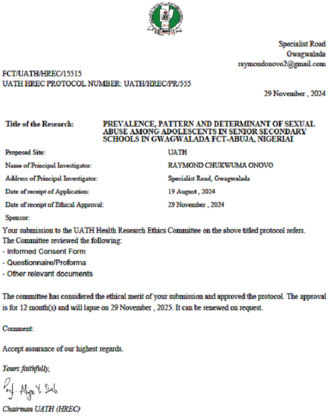
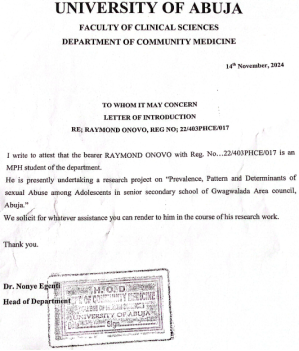
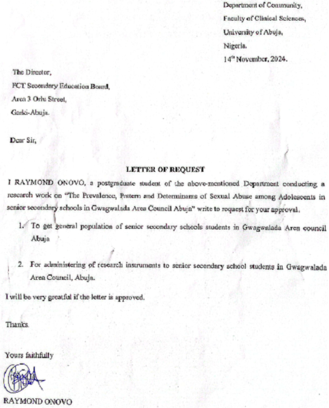
Ethical approval was obtained from the Health Research and Ethics Committee of University of Abuja. A formal permission was requested and granted through the Federal Capital Territory Secondary Education Board and Principals of each school. Signed consent and assent were obtained from parents/guardians of the respondents and the respondents themselves respectively. To maintain confidentiality of the respondents, serial numbers were used for identification instead of names; the questionnaires were kept safe properly and made easily obtainable to the researchers only. The researchers themselves described the purpose of the study to the respondents and were allowed to ask questions concerning the research before embarking on completion of the questionnaire. The researchers also explained to them that the study was risk-free, however respondents who felt uncomfortable during the study were advised that they could withdraw at any point in time and directed to the school counselor for counseling.
Figure 1. Ethical Approval.
Figure 2. Letter of Introduction.
Figure 3. Letter of Request.
2.10. Limitation of the Study
Data collected from the respondents were subject to self-reporting, which may have introduced reporter bias, and this was minimized by assuring respondents of the confidentiality of information provided. Response bias may also have been encountered but this was minimized by providing respondents a secluded location to self-administer the questionnaire.
3. Results
QUANTITATIVE DATA RESULTS
A total of 270 students from 5 public senior secondary schools in Gwagwalada were sampled.
Table 1. Sociodemographic characteristics.

Variable

Frequency (n=270)

Percentage (%)

Sex

Male

127

47.0

Female

143

53.0

Age category

10-14

114

42.2

15-19

156

57.8

Class

SS 1

83

30.7

SS 2

117

43.3

SS 3

70

25.9

Tribe

Igbo

68

25.2

Hausa

44

16.3

Yoruba

70

25.9

Others

88

32.6

Live with

Both parents

156

57.8

One parent

54

20.0

Relatives

39

14.4

Others

21

7.8

Mother’s education level

No formal education

21

7.8

Primary level of education

51

18.9

Secondary level of education

71

26.3

Tertiary level of education

127

47.0

Father’s education level

No formal education

20

7.4

Primary level of education

32

11.9

Secondary level of education

53

19.6

Tertiary level of education

165

61.1

Mother’s occupation

Civil servant

97

35.9

Farmer

37

13.7

Business

110

40.7

Housewife

21

7.8

Students

5

1.9

Father’s occupation

Civil servant

121

44.8

Farmer

46

17.0

Business

94

34.8

Unemployed

6

2.2

Students

3

1.1

Mean of Age in years as last birthday = 15 +/- 1.7
Minimum age = 10
Maximum age = 19
Mean of Age at first abuse = 5 +/- 4.1
Minimum of age at first abuse = 2
Maximum of age at first abuse = 14
Table 1 shows that out of 270 respondents, majority 156 (57.8%) were aged between 15 and 19 years old with the Mean of Age in years as last birthday 15 +/- 1.7. 143 (53%) were females, most were from the Yoruba tribe 70 (25.9%) and from senior secondary school Class 2 (SSS2) 117 (43.3%). More than half of the respondents were living with their parents 156 (57.8%). Tertiary education was the highest academic level achieved by the fathers 165 (61.1%) and mothers 127 (47%). Father’s occupation were mainly civil servants 121 (44.8%) and mother’s occupation were mainly business 110 (40.7%).
2 Prevalence of child sexual abuse among secondary school students in Gwagwalada.
Table 2. Prevalence of child sexual abuse.

Variable

Frequency (n=270)

Percentage (%)

Sexually abused before

Yes

105

38.9

No

165

61.1

If yes, indicate how many times

Once

40

14.8

Twice

29

10.7

Three times

16

5.9

Four times

6

2.2

Five times

14

5.2

Not applicable

165

61.1

Child Sexual Abuse with physical contact but without penetration

Touched against will with sexual intention

32

11.9

Forced to kiss someone

40

14.8

Forced penetration with finger, someone tried to but did not succeed

19

7.0

Forced vaginal intercourse against will, someone tried but did not succeed

8

3.0

Forced anal intercourse, someone tried to but did not succeed

3

1.1

Forced oral intercourse, someone tried to but did not succeed

1

.4

Forced into prostitution

2

0.7

Not Applicable

165

61.1

Table 2 illustrates prevalence of Child sexual abuse, out of a total of 270 respondents, 105 (38.9%) were abused and majority of them were abused once 40 (14.8%). For those that were sexually abused with physical contact but without penetration, 40 (14.8%) of them experienced been forced to kiss someone.
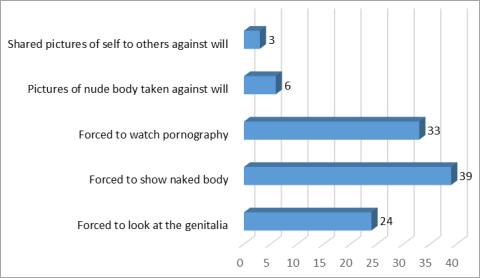
Figure 4. How you were abused (child sexual Abuse (CSA) without physical contact).
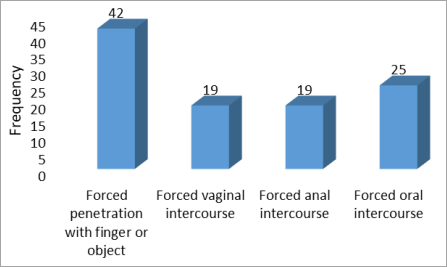
Figure 5. Child Sexual Abuse with Penetration.
Figure 4 highlights child sexual abuse (CSA) without contact with majority (39) of the respondents been forced to show naked body and Figure 5 showed child sexual abuse with penetration with majority (42) of the respondents experienced forced penetration with finger or Object.
Table 3. Pattern of child sexual abuse.

Variable

Frequency (n=270)

Percentage (%)

Sexually abused by

Parent

2

0.7

Family member

33

12.2

Boyfriend/Girlfriend

22

8.1

Teacher

7

2.6

Neighbor

29

10.7

Stranger

11

4.1

Others

1

0.4

Not Applicable

165

61.1

Place of Abuse

At home

28

10.4

At perpetrator's home

22

8.1

At school

15

5.6

At public place

34

12.6

Others

6

2.2

Not Applicable

165

61.1

Frequency of occurrence

Once

48

17.8

2-5 times

41

15.2

6-10 times

5

1.9

More than 10 times

11

4.1

Not Applicable

165

61.1

Still experiencing abuse

Yes

47

17.4

No

57

21.1

Not Applicable

166

61.5

Victim still feel bad about the incident

Yes

70

25.9

No

34

12.6

Not Applicable

166

61.5

Reported the incident to authorities

Yes

28

10.4

No

76

28.1

Not Applicable

166

61.5

Table 3 summarizes the pattern of child sexual abuse (CSA) among the respondents. Majority of the perpetrators were family member (33 [12.2%]), neighbors (29 [10.7%]) boyfriend/girlfriend (22 [8.1%]) each and strangers (11 [4.1%]). Most of the respondents were abused between ages of 2 and 14 years old. Public Places (12.6%) was noted as the commonest place of abuse. While a higher proportion of the respondents experienced sexual abuse only once (17.8%) and still felt bad about the incident (70 [29.9%]), a small proportion were still experiencing the abuse, (47 [17.4%]). Only (28 [10.4%]) of the respondents reported sexual abuse to the authorities.
Table 4. Factors associated with child sexual abuse.

Variable

Have you ever been sexually abused before?

X2

p-value

Yes n=105 (%)

No n=165 (%)

Age category (years)

10-14

38(33.3)

76(66.7)

2.562

0.109

15-19

67(42.9)

89(57.1)

Sex

Male

48(37.8)

79(62.2)

0.121

0.728

Female

57(39.9)

86(60.1)

Class

SS 1

45(54.2)

38(45.8)

12.467

0.002*

SS 2

35(29.9)

82(70.1)

SS 3

25(35.7)

45(64.3)

Tribe

Igbo

30(44.1)

38(55.9)

1.062

0.786

Hausa

16(36.4)

28(63.6)

Yoruba

26(37.1)

44(62.9)

Others

33(37.5)

55(62.5)

Live with

One parent

21(38.9)

33(61.1)

15.548

0.001*

Relatives

20(51.3)

19(48.7)

Others

15(71.4)

6(28.6)

Mother's education level

No formal education

11(52.4)

10(47.6)

9.693

0.021*

Primary level of education

28(54.9)

23(45.1)

Secondary level of education

24(33.8)

47(66.2)

Tertiary level of education

42(33.1)

85(66.9)

Father's education level

No formal education

10(50.0)

10(50.0)

1.675

0.642

Primary level of education

13(40.6)

19(59.4)

Secondary level of education

22(41.5)

31(58.5)

Tertiary level of education

60(36.4)

105(63.6)

Mother’s occupation

Civil servant

35(36.1)

62(63.9)

14.388**

0.005*

Farmer

21(56.8)

16(43.2)

Business

33(30.0)

77(70.0)

Housewife

13(61.9)

8(38.1)

Students

3(60.0)

2(40.0)

Father’s occupation

Civil servant

36(29.8)

85(70.2)

11.160**

0.016*

Farmer

21(45.7)

25(54.3)

Business

42(44.7)

52(55.3)

Unemployed

3(50.0)

3(50.0)

Students

3(100.0)

0(0.0)

Indicate whether you still feel anxious or worried due to personal experiences or stories of sexual abuse.

Very often

15(46.9)

17(53.1)

5.040

0.169

Sometimes

41(43.2)

54(56.8)

Rarely

18(27.7)

47(72.3)

Never

31(39.7)

47(60.3)

Table 5. Factors associated with child sexual abuse.

Variable

Have you ever been sexually abused before?

X2

p-value

Yes n=105 (%)

No n=165 (%)

Indicate whether you or someone you know has experienced any of the following after sexual abuse.

Depression

26(46.4)

30(53.6)

8.305**

0.298

Anxiety

24(36.9)

41(63.1)

Feelings of shame or guilt

29(43.3)

38(56.7)

Loss of trust in others

13(30.2)

30(69.8)

Difficulty concentrating in school

2(18.2)

9(81.8)

Isolation from friends and family

5(27.8)

13(72.2)

Suicidal thoughts

2(50.0)

2(50.0)

Others

4(66.7)

2(33.3)

Indicate whether sexual abuse affects academic performance

Yes

67(35.8)

120(64.2)

2.407

0.300

No

19(45.2)

23(54.8)

I don’t know

19(46.3)

22(53.7)

Noticed any changes in your attitude or behaviour since hearing about or experiencing sexual abuse

Yes

27(39.7)

41(60.3)

0.517

0.772

No

42(36.5)

73(63.5)

I’m not sure

36(41.4)

51(58.6)

Indicate whether sexual abuse can lead to physical health issues (e.g. injuries, infections)

Yes

75(36.2)

132(63.8)

3.648

0.161

No

20(52.6)

18(47.4)

I don’t know

10(40.0)

15(60.0)

Indicate whether you or someone you know suffered any physical health issues after sexual abuse

Yes

27(45.0)

33(55.0)

7.285

0.026

No

45(31.5)

98(68.5)

I don’t know

33(49.3)

34(50.7)

Indicate whether sexual abuse can lead to unintended pregnancies or sexually transmitted infections (STIs)

Yes

80(37.4)

134(62.6)

1.491

0.474

No

13(40.6)

19(59.4)

I don’t know

12(50.0)

12(50.0)

Indicate the ways in which sexual abuse may affect the social life of a victim, in your opinion.

Victim may be isolated

33(49.3)

34(50.7)

6.480**

0.151

Victim may face stigma or discrimination

48(32.9)

98(67.1)

Victim may change friends or stop socializing

16(40.0)

25(60.0)

No effect

6(42.9)

8(57.1)

Other

2(66.7)

1(33.3)

Indicate if you have noticed any stigma or discrimination in your school or community toward victims of sexual abuse?

Yes

39(56.5)

30(43.5)

13.878

0.001*

No

48(36.1)

85(63.9)

I’m not sure

18(26.5)

50(73.5)

*p-value significant at <0.05
** FET: Fisher’s exact test
Table 4 highlights the crude odds ratio estimate. Here, grouped ages, class of students, whom child lived with, mother’s education, father’s and mother’s occupation and stigma to the abused were noted to be individual factors that were associated with CSA. These variables were statistically significant at P-value of < 0.05.
Table 6. Binary Logistic Regression of Determinants of Sexual Abuse.

Exp (B) (cOR)

p-value

95% C. I

Constant

1.499

0.637

Class (SS1)

0.657

0.014*

0.471-0.918

Live with (Others)

1.633

<0.001*

1.264-2.110

Mother’s level of education (Primary)

0.709

0.007*

0.551-0.911

Mother’s occupation (Housewife)

1.079

0.506

0.862-1.353

Father’s occupation (Unemployed)

1.450

0.004*

1.128-1.864

Noticed any stigma or discrimination (Yes)

0.519

<0.001*

0.361-0.764

cOR: Crude Odds Ratio
Table 6 highlights the results from logistic regression analysis. It reveals that who the victims live with, Father’s occupation and Stigma were significant determinants of CSA. Adolescents not residing with both parents were found to be at a higher risk of experiencing CSA, Paternal unemployment and Stigmatization of victims were linked to high risk of child sexual abuse. This result was found to be statistically significant.
Table 7. Multivariate Logistic Regression of Determinants of Sexual Abuse.

Exp (B) (aOR)

p-value

95% C. I

Constant

1.499

0.637

Class (SS1)

0.732

0.094

0.508-1.055

Live with? (Others)

1.617

0.001*

1.215-2.152

Mother’s level of education (Primary)

0.882

0.394

0.660-1.178

Mother’s occupation (Housewife)

0.938

0.634

0.722-1.219

Father’s occupation (Unemployed)

1.437

0.012*

1.083-1.908

Noticed any stigma or discrimination (Yes)

0.519

0.001*

0.356-0.758

aOR: Adjusted Odds Ratio
QUALITATIVE RESULT (IN-DEPTH INTERVIEW)
According to the In-depth Interview the following were noted from the participants.
1) Majority of the participants stated that the abuse occurred in their homes, schools, and community spaces.
2) Their perpetrators ranged from trusted family members and teachers to neighbors and peers.
3) The common thread among the experiences were coercion, manipulation, and threats.
4) Majority of participants did not immediately recognize the abuse or felt trapped due to the perpetrator's influence.
4. Discussion
This study found a high prevalence of child sexual abuse (CSA) among adolescents in public secondary schools in Gwagwalada Area Council, Abuja. The prevalence of child sexual abuse observed in this study (38.9%) is considerably higher than the pooled global prevalence estimates reported by Stoltenborgh et al., who found prevalence rates of 18.0% among girls and 7.6% among boys worldwide . The higher prevalence observed in the present study may reflect differences in study population, cultural context, operational definition of child sexual abuse, study methodology, disclosure practices, and the relatively higher burden of violence reported in many low- and middle-income countries. The prevalence observed in this study is consistent with findings from studies conducted in different parts of Nigeria and other countries, which also reported considerable levels of sexual abuse among adolescents . However, lower prevalence estimates have been documented in studies from other regions, including North-West Nigeria, Ghana, and Kenya . Variations in prevalence across studies may be related to differences in study settings, sampling techniques, age categories studied, sociocultural environments, and definitions of sexual abuse adopted by researchers . In addition, stigma, fear of disclosure, and cultural perceptions surrounding sexual abuse may influence reporting patterns and contribute to inconsistencies in prevalence estimates across populations. Nigeria has enacted several legal frameworks aimed at protecting children and adolescents from sexual violence, including the Child Rights Act and the Violence Against Persons (Prohibition) Act. Despite the existence of these policies, implementation and enforcement remain suboptimal in many settings. Weak institutional structures, poor awareness of legal provisions, and fear of stigmatization continue to limit reporting and prosecution of offenders. Female adolescents were slightly more affected by CSA than males in this study. The higher prevalence of child sexual abuse among female adolescents observed in the present study is consistent with the findings from studies, which demonstrated that girls generally report higher rates of sexual abuse than boys across most regions of the world . This disparity has been attributed to gender inequality, unequal power dynamics, and increased vulnerability of girls to coercive sexual relationships. Similar findings have been reported in studies conducted in Nigeria and other countries where girls constituted the majority of victims . Nevertheless, the relatively high prevalence among males observed in this study indicates that boys are also vulnerable and should not be excluded from prevention and intervention programmes. Social expectations regarding masculinity may discourage male victims from reporting abusive experiences, thereby contributing to underreporting. The most frequently reported forms of abuse in this study included forced exposure to nudity and pornography. Comparable findings have been reported in studies among adolescents in Nigeria . Increased exposure to internet-enabled devices and unrestricted access to online content may partly explain the growing role of pornography in adolescent sexual abuse experiences. Digital platforms and social media may provide opportunities for perpetrators to exploit, manipulate, or groom vulnerable adolescents. Family members and neighbours were identified as common perpetrators of abuse in this study. Similar observations have been documented in studies conducted in South-East Nigeria and Port Harcourt . The close relationship between victims and perpetrators may make disclosure difficult because victims may fear punishment, disbelief, stigmatization, or disruption of family relationships. Adolescents abused by trusted individuals are therefore less likely to report their experiences promptly. This highlights the importance of strengthening child protection systems within families, schools, and communities. Public places and homes were commonly reported locations where abuse occurred. Findings from Nepal and South Africa also identified public environments as frequent locations for abuse . In contrast, some studies from India and parts of Nigeria reported the home as the predominant setting for abuse . These differences may reflect environmental, social, and cultural variations between populations. Unsafe public spaces, poor supervision, substance abuse, and inadequate child protection mechanisms may increase adolescents’ vulnerability to abuse. Most participants in this study reported experiencing abuse only once. Similar findings have been documented in studies from South-West Nigeria and Nepal . Although some perpetrators may exploit isolated opportunities, single-event abuse should not be regarded as less harmful because even one episode may result in lasting psychological, emotional, and social consequences. Furthermore, underreporting remains a major concern, as some adolescents may conceal repeated abuse because of fear, threats, shame, or lack of support. The qualitative findings from the in-depth interviews further revealed that abuse frequently occurred in homes, schools, and community environments. Participants described perpetrators as individuals known to them, including relatives, neighbours, teachers, and peers. Coercion, threats, manipulation, and emotional intimidation were commonly described experiences. Several participants also reported delayed recognition of abuse, particularly where the perpetrator occupied a position of trust or authority. The low level of reporting observed is consistent with findings from the Violence Against Children Surveys, which indicate that many child survivors never disclose abuse or seek formal support because of fear, shame, stigma, and lack of confidence in available reporting systems . The low level of formal reporting observed in this study is consistent with the conceptual model proposed by Mathews and Collin-Vézina, who argued that child sexual abuse frequently remains undisclosed because victims fear stigma, experience feelings of shame, or are emotionally dependent on perpetrators who occupy trusted positions within their families or communities . These findings emphasize the hidden nature of CSA and the need for comprehensive prevention strategies involving families, schools, religious institutions, and the wider community.
5. Conclusion
This study demonstrated that child sexual abuse remains a major public health concern among adolescents in public secondary schools in Gwagwalada Area Council, Abuja. Family members, neighbours, peers, and other trusted individuals were commonly identified as perpetrators. Abuse occurred in multiple settings including homes, schools, and public places. Living arrangement and father’s occupation were identified as significant predictors of CSA. The findings highlight the need for strengthened preventive interventions, early identification mechanisms, and accessible support services for affected adolescents. Educational programmes should empower adolescents to recognize abusive behaviours, report incidents promptly, and seek appropriate help. In addition, interventions should target both male and female adolescents since both groups are vulnerable to sexual abuse and its consequences.
6. Recommendations
1) Government agencies, educational authorities, and community stakeholders should strengthen policies and programmes aimed at preventing child sexual abuse in schools and communities.
2) Schools should establish functional reporting channels, counselling units, and child protection committees to support students who experience abuse.
3) Parents and caregivers should receive regular education on child protection, supervision, and early recognition of signs of abuse.
4) Community-based awareness campaigns should be intensified to reduce stigma associated with disclosure of sexual abuse and encourage timely reporting.
5) Healthcare professionals, including psychiatrists, psychologists, social workers, and public health practitioners, should provide comprehensive medical, psychological, and social support services for survivors.
6) Further research should explore the long-term psychological, behaviour, and educational effects of CSA among adolescents in Nigeria.
Abbreviations

AMAC

Abuja Municipal Area Council

AIDs

Acquired Immunodeficiency Syndrome

CSA

Child Sexual Abuse

FCTSEB

Federal Capital Territory Secondary Education Board

GAC

Gwagwalada Area Council

HPV

Human Papilloma Virus

IBRS

Incident-Based Reporting System

HIV

Human Immunodeficiency Virus

IDI

In-depth Interview

PTSD

Post Traumatic Stress Disorder

STI

Sexual Transmitted Infection

SSS

Senior Secondary School

SPSS

Statistical Package for Social Science

WHO

World Health Organization

Author Contributions
Raymond Chukwuma Onovo: Methodology
Rabi Susan Adelaiye: Supervision
Conflicts of Interest
The authors declare no conflicts of interest.
References
[1] World Health Organization. Responding to children and adolescents who have been sexually abused: WHO clinical guidelines. Geneva: World Health Organization; 2017. Available from:
[2] Debowska A, Boduszek D, Fray-Aiken C, Awich Ochen E, Powell-Booth KT, Nanfuka Kalule E, et al. Child abuse and neglect and associated mental health outcomes: a large, population-based survey among children and adolescents from Jamaica and Uganda. Mental Health and Social Inclusion. 2024; 28(1): 42-65.
[3] United Nations Children’s Fund (UNICEF). A Familiar Face: Violence in the lives of children and adolescents. New York: UNICEF; 2017. Available from:
[4] Beyene AS, Chojenta C, Roba HS, Melka AS, Loxton D. Gender-based violence among female youths in educational institutions of Sub-Saharan Africa: a systematic review and meta-analysis. Syst Rev. 2019; 8(1): 1-14.
[5] National Population Commission (NPC), Nigeria, and ICF (2019) Nigeria Demographic and Health Survey 2018 Key Indicators Report. NPC and ICF, Abuja and Rockville. - References - Scientific Research Publishing. [cited 2025 Jul 8]. Available from:
[6] Ifayomi M, Ali P, Ellis K. Child Sexual Abuse in Nigeria: A Systematic Review. JSM Sex Med. 2023 [cited 2025 Jul 8]; 7(4): 1–12. Available from:
[7] Abreu L, Hecker T, Goessmann K, Abioye TO, Olorunlambe W, Hoeffler A. Prevalence and correlates of sexual violence against adolescents: Quantitative evidence from rural and urban communities in South-West Nigeria. PLOS Glob Public Heal. 2025 Feb 11 [cited 2025 Jul 8]; 5(2): e0004223. Available from:
[8] Children and Teens: Statistics | RAINN. [cited 2024 Jun 13]. Available from:
[9] Ndubueze PN. Patterns of child and adolescent sexual abuse in the era of COVID-19 lockdown in Nigeria. Int J Law, Crime Justice. 2024 Jun 1; 77: 100671.
[10] The prevalence of child sexual abuse among Slovak late adolescents. [cited 2024 May 28]. Available from:
[11] Butchart A, Hillis S. INSPIRE : seven strategies for ending violence against children. 2016; pg104.
[12] Owusu-Addo E, Owusu-Addo SB, Bennor DM, Mensah-Odum N, Deliege A, Bansal A, et al. Prevalence and determinants of sexual abuse among adolescent girls during the COVID-19 lockdown and school closures in Ghana: A mixed method study. Child Abuse Negl. 2023 [cited 2024 May 22]; 135: 105997. Available from:
[13] Fm B, Oe A. Prevalence and pattern of child sexual abuse: A cross-sectional study among male secondary school adolescents in Ibadan, Nigeria. 2020;
[14] World Health Organization. Global Accelerated Action for the Health of Adolescents (AA-HA!): guidance to support country implementation. Summary. Who. 2017 [cited 2025 Jun 6]; 44. Available from:
[15] Barth J, Bermetz L, Heim E, Trelle S, Tonia T. The current prevalence of child sexual abuse worldwide: A systematic review and meta-analysis. Int J Public Health. 2013 Nov 21 [cited 2024 Jun 2]; 58(3): 469–83. Available from:
[16] Amole TG, Abdullahi H, Abdullahi NT, Abubakar AS, Ajayi AO, Tsiga-Ahmed FI. Prevalence, pattern and predictors of sexual abuse among young female hawkers in Kano metropolis, Nigeria. Niger Postgrad Med J. 2021 Jan 1 [cited 2024 May 22]; 28(1): 33–8. Available from:
[17] Pineda D, Muris P, Martínez-Martínez A, Piqueras JA. Prevalence of Child Sexual Abuse in Spain: A Survey Study. 2023 Jul 24 [cited 2024 Jun 2]; 15(2): 83–8. Available from:
[18] Manyike PC, Chinawa JM, Aniwada E, Udechukwu NP, Odutola OI, Chinawa TA. Child sexual abuse among adolescents in southeast Nigeria: a concealed public health behavioural issue. Pak J Med Sci. 2015; 31(4): 827-832.
[19] Nwaeze EM, Onuegbunam NS, Ikenna AF. Sexual violence amongst female undergraduate students in institution of higher learning in Enugu: Prevalence and awareness. Obstet Gynecol Int J.2024; 15(3): 102–6.
[20] Olugbenga-Bello AI, Jegede OS, Ijitade G, Aderinto N, Olajide AO. Prevalence, Pattern, and Perception of Female Undergraduates about Sexual Harassment in a Tertiary Institution in Southwestern Nigeria: An Evaluation of the National Bill on Sexual Harassment. Niger J Med. 2023 [cited 2024 Jun 2]; 32(4): 369–74. Available from:
[21] Duru CB, Aguocha CM, Iwu AC, Oluoha UR, Okedo-Alex IN, Ohanle I, et al. Sexual Abuse among Female Undergraduates in Tertiary Institutions in IMO State, Southeast Nigeria: Prevalence, Pattern and Determinants. Open Access Libr J. 2018 Apr 4 [cited 2024 Jun 2]; 5(4): 1–24. Available from:
[22] Meinck F, Cluver LD, Boyes ME, Mhlongo EL. Risk and Protective Factors for Physical and Sexual Abuse of Children and Adolescents in Africa.2014 Mar 18 [cited 2024 May 29]; 16(1): 81–107. Available from:
[23] Akinlusi FM, Rabiu KA, Olawepo TA, Adewunmi AA, Ottun TA, Akinola OI. Sexual assault in Lagos, Nigeria: A five year retrospective review. BMC Woman’s Health. 2014 Sep 23; 14(1).
[24] Umana JE, Fawole OI, Adeoye IA. Prevalence and correlates of intimate partner violence towards female students of the University of Ibadan, Nigeria. BMC Women’s Health. 2014 Dec 8 [cited 2024 Jun 15]; 14(1). Available from:
[25] Akpoghome TU. Analysis of the Domestic Legal Framework on Sexual Violence in Nigeria. J Law Crim Justice. 2016; 4(2).
[26] Campbell JC, Sabri B, Budhathoki C, Kaufman MR, Alhusen J, Decker MR. Unwanted Sexual Acts Among University Students: Correlates of Victimization and Perpetration. J Interpers Violence. 2021 Jan 1 [cited 2024 Jun 17]; 36(1–2): NP504–26. Available from:
[27] Stoltenborgh M, van IJzendoorn MH, Euser EM, Bakermans-Kranenburg MJ. A global perspective on child sexual abuse: Meta-analysis of prevalence around the world. Child Maltreat. 2011; 16(2): 79–101.
[28] Moody G, Cannings-John R, Hood K, Kemp A, Robling M. Establishing the international prevalence of self-reported child maltreatment: a systematic review by maltreatment type and gender. BMC Public Health. 2018; 18(1): 1164.
[29] Mathews B, Collin-Vézina D. Child sexual abuse: Toward a conceptual model and definition. Trauma Violence Abuse. 2019; 20(2): 131–148.
[30] National Population Commission (Nigeria), Centers for Disease Control and Prevention. Violence Against Children in Nigeria: Findings from a National Survey, 2014. Abuja, Nigeria: National Population Commission and Centers for Disease Control and Prevention; 2016 [cited 2025 Jul 8]. Availablefrom:
[31] Gilbert R, Widom CS, Browne K, Fergusson D, Webb E, Janson S. Burden and consequences of child maltreatment in high-income countries. Lancet. 2009; 373(9657): 68–81.
Cite This Article
  • APA Style

    Onovo, R. C., Adelaiye, R. S. (2026). Prevalence and Pattern of Sexual Abuse Among Adolescents in Senior Secondary Schools in Gwagwalada Federal Capital Territory, Nigeria. Science Journal of Public Health, 14(4), 178-192. https://doi.org/10.11648/j.sjph.20261404.14

    Copy | Download

    ACS Style

    Onovo, R. C.; Adelaiye, R. S. Prevalence and Pattern of Sexual Abuse Among Adolescents in Senior Secondary Schools in Gwagwalada Federal Capital Territory, Nigeria. Sci. J. Public Health 2026, 14(4), 178-192. doi: 10.11648/j.sjph.20261404.14

    Copy | Download

    AMA Style

    Onovo RC, Adelaiye RS. Prevalence and Pattern of Sexual Abuse Among Adolescents in Senior Secondary Schools in Gwagwalada Federal Capital Territory, Nigeria. Sci J Public Health. 2026;14(4):178-192. doi: 10.11648/j.sjph.20261404.14

    Copy | Download

  • @article{10.11648/j.sjph.20261404.14,
      author = {Raymond Chukwuma Onovo and Rabi Susan Adelaiye},
      title = {Prevalence and Pattern of Sexual Abuse Among Adolescents in Senior Secondary Schools in Gwagwalada Federal Capital Territory, Nigeria},
      journal = {Science Journal of Public Health},
      volume = {14},
      number = {4},
      pages = {178-192},
      doi = {10.11648/j.sjph.20261404.14},
      url = {https://doi.org/10.11648/j.sjph.20261404.14},
      eprint = {https://article.sciencepublishinggroup.com/pdf/10.11648.j.sjph.20261404.14},
      abstract = {Background: Child sexual abuse (CSA) is a major public health concern with serious physical, emotional, and social consequences. This study assessed the prevalence and pattern of CSA among senior secondary school students in Gwagwalada, Abuja. Methods: A mixed-method descriptive cross-sectional study was conducted from January to March 2025 among 270 adolescents selected through multistage sampling. Data were collected using structured questionnaires and in-depth interviews. Quantitative data were analyzed at a significance level of p ≤ 0.05, and thematic analysis was applied to qualitative responses. Results: The prevalence of CSA was 38.9% (105 students). The most commonly reported abusive act was being forced to expose their naked body. Perpetrators were mainly known to victims, including family members and neighbors, with most incidents occurring between ages 2–14, either at home or in public spaces. Significant associations were observed between CSA and age group, class level, living arrangement, parental education, parental occupation, and stigma. Key determinants identified were living arrangement, father’s occupation, and perceived stigma. Qualitative findings highlighted abuse occurring in trusted environments, involving coercion and threats, with non-disclosure driven by fear, shame, and blame. Conclusion: CSA is highly prevalent in Gwagwalada and linked to family and social vulnerabilities, requiring strengthened preventive and supportive interventions.},
     year = {2026}
    }
    

    Copy | Download

  • TY  - JOUR
    T1  - Prevalence and Pattern of Sexual Abuse Among Adolescents in Senior Secondary Schools in Gwagwalada Federal Capital Territory, Nigeria
    AU  - Raymond Chukwuma Onovo
    AU  - Rabi Susan Adelaiye
    Y1  - 2026/07/27
    PY  - 2026
    N1  - https://doi.org/10.11648/j.sjph.20261404.14
    DO  - 10.11648/j.sjph.20261404.14
    T2  - Science Journal of Public Health
    JF  - Science Journal of Public Health
    JO  - Science Journal of Public Health
    SP  - 178
    EP  - 192
    PB  - Science Publishing Group
    SN  - 2328-7950
    UR  - https://doi.org/10.11648/j.sjph.20261404.14
    AB  - Background: Child sexual abuse (CSA) is a major public health concern with serious physical, emotional, and social consequences. This study assessed the prevalence and pattern of CSA among senior secondary school students in Gwagwalada, Abuja. Methods: A mixed-method descriptive cross-sectional study was conducted from January to March 2025 among 270 adolescents selected through multistage sampling. Data were collected using structured questionnaires and in-depth interviews. Quantitative data were analyzed at a significance level of p ≤ 0.05, and thematic analysis was applied to qualitative responses. Results: The prevalence of CSA was 38.9% (105 students). The most commonly reported abusive act was being forced to expose their naked body. Perpetrators were mainly known to victims, including family members and neighbors, with most incidents occurring between ages 2–14, either at home or in public spaces. Significant associations were observed between CSA and age group, class level, living arrangement, parental education, parental occupation, and stigma. Key determinants identified were living arrangement, father’s occupation, and perceived stigma. Qualitative findings highlighted abuse occurring in trusted environments, involving coercion and threats, with non-disclosure driven by fear, shame, and blame. Conclusion: CSA is highly prevalent in Gwagwalada and linked to family and social vulnerabilities, requiring strengthened preventive and supportive interventions.
    VL  - 14
    IS  - 4
    ER  - 

    Copy | Download

Author Information
  • Abstract
  • Keywords
  • Document Sections

    1. 1. Introduction
    2. 2. Materials and Methods
    3. 3. Results
    4. 4. Discussion
    5. 5. Conclusion
    6. 6. Recommendations
    Show Full Outline
  • Abbreviations
  • Author Contributions
  • Conflicts of Interest
  • References
  • Cite This Article
  • Author Information