Research Article | | Peer-Reviewed

Climate Change Awareness: A Key Strategy in the Management of Rainforest Ecosystem in Bakossi National Park, Southwest Region, Cameroon

Received: 26 February 2026     Accepted: 9 March 2026     Published: 30 June 2026
Views:       Downloads:
Abstract

Climate change has led to changes in precipitation patterns, resulting in both increased droughts and intense rainfall events. This research investigates the role of climate change awareness as a critical strategy in the management of the rainforest ecosystem within Bakossi National Park, located in the Southwest Region of Cameroon. Despite its rich biodiversity, the park faces significant threats from climate change, including altered rainfall patterns, increasing temperatures, and habitat degradation. To address these challenges, enhancing local community awareness about climate change impacts and sustainable management practices is essential. The study employed a mixed-methods approach, combining qualitative interviews with local stakeholders and quantitative surveys assessing community knowledge and perceptions. The results of the study has shown that awareness of the local community on rainforest management in Bakossi National Park significantly associated with forest management training r=0.207 P=0.022, common methods of harvest None Timber Forest Products (NTFP) r=0.340 P=0.000, the Role of tradition in forest management r=0.162 P=0.076, and the management of conflict between local community and conservation r=0.103 P<0.05 respectively. More so, the most significant impact of climate change in the national park revealed a significant association on the trend of NTFP resource availability over the past decade X2=20.576 df=16 P<0.05, the most significant external threat to forest management X2=17.437 df=16 P<0.05, the main drivers of deforestation in the region X2=17.750 df=16 P<0.05, the main method of ecological restoration X2=20.112 df=16 P<0.05, and the most common method of harvesting NTFP X2=20.990 df=16 P<0.05 respectively. The findings of this research underscore the critical importance of climate change awareness in the effective management of the rainforest ecosystem in Bakossi National Park. As climate change continues to pose significant threats to biodiversity and ecosystem stability, enhancing local community understanding of its impacts and fostering sustainable practices become imperative.

Published in American Journal of BioScience (Volume 14, Issue 3)
DOI 10.11648/j.ajbio.20261403.14
Page(s) 73-88
Creative Commons

This is an Open Access article, distributed under the terms of the Creative Commons Attribution 4.0 International License (http://creativecommons.org/licenses/by/4.0/), which permits unrestricted use, distribution and reproduction in any medium or format, provided the original work is properly cited.

Copyright

Copyright © The Author(s), 2026. Published by Science Publishing Group

Keywords

Climate Change, Awareness, National Park, Local Community, Forest Management

1. Introduction
Climate change poses a substantial threat to biodiversity, particularly in rainforest ecosystems, where intricate relationships between species and their environment are sensitive to climatic shifts. In Bakossi National Park, situated in Southwest Cameroon, understanding the significance of climate change awareness is critical for developing effective management strategies. This literature review examines existing research on climate change impacts, the role of awareness in fostering resilience, and the implications for ecosystem management in the context of Bakossi National Park. The Intergovernmental Panel on Climate Change reports that increased greenhouse gas emissions have resulted in rising global temperatures, altered precipitation patterns, and increased frequency of extreme weather events. These changes affect ecosystems worldwide, leading to shifts in species distribution, altered migration patterns, and increased vulnerability of biodiversity. African rainforests, including those in Cameroon, are particularly susceptible to climate change. Research indicates that temperature increases and changes in rainfall patterns threaten forest stability and species survival . The report highlights increased occurrences of drought and flooding, which disrupt plant growth and animal habitats. Bakossi National Park is rich in biodiversity, containing endemic species and critical habitats. Climate change exacerbates threats like deforestation, poaching, and habitat fragmentation, further endangering sensitive species such as the Cross River gorilla . The unique ecological dynamics of the Bakossi region necessitate tailored management strategies to address these challenges .
Climate change awareness refers to the understanding of climate processes, impacts, and adaptive strategies among individuals and communities. It encompasses knowledge about causes, consequences, and potential responses to climate change, emphasizing the importance of local context in information dissemination. Research underscores that increased climate change awareness can significantly influence behavior and engagement in conservation practices. Communities with higher awareness levels were more likely to participate in sustainability initiatives and support local conservation policies . Climate awareness enhances community adaptive capacity by promoting proactive measures in the face of environmental change . In the context of Bakossi National Park, greater awareness among local populations may lead to improved engagement with conservation programs and sustainable resource management. Research highlights significant gaps in climate education within Cameroon, particularly in rural regions surrounding protected areas like Bakossi. Limited access to information, lack of educational resources, and sociocultural barriers hinder comprehensive understanding of climate issues .
Training programs must begin by raising basic awareness about climate change and its local consequences (Thomas, 2020) . It is essential to build trust and rapport with community members, using culturally appropriate communication strategies . Communities exhibiting very low awareness often have little to no understanding of climate change or its connection to forest ecosystems . They may hold misconceptions or be resistant to new ideas, making it challenging to initiate conservation efforts. Training might initially focus on the importance of forests for providing clean water, timber, and other essential resources, gradually introducing climate change concepts as understanding grows. Involving community members in the planning and decision-making processes ensures that training programs are relevant and responsive to local needs. Providing communities with the skills and resources they need to actively participate in conservation efforts fosters a sense of ownership and responsibility. Partnering with local businesses, schools, and government agencies amplifies the reach and impact of training programs.
Communities with high awareness recognize the connection between climate change and NTFP resources, motivating them to modify their harvesting methods. They are receptive to training and information on sustainable practices but may need support in implementing these practices . They may start incorporating sustainable techniques into their traditional methods, such as avoiding destructive harvesting of roots or bark and focusing on collecting fallen fruits or leaves . Instead of cutting down a tree to harvest its bark, they might selectively harvest bark from branches, allowing the tree to survive. Communities with moderate awareness may have some knowledge of climate change but may not fully understand its implications for NTFP resources . They may continue using traditional harvesting methods without considering sustainability, potentially leading to overexploitation . Traditional methods are likely to persist, but there may be openness to learning about more sustainable options if the benefits are clearly demonstrated . In communities with low awareness, traditional harvesting methods are likely to dominate, often driven by immediate needs and a lack of understanding of long-term consequences. Overexploitation of NTFP resources may occur due to unsustainable harvesting practices .
Traditional methods without consideration for sustainability are common . This can include destructive practices that harm the NTFP source, such as cutting down trees to collect fruits or overharvesting roots . Communities with very low awareness are unlikely to connect climate change with NTFP availability and may not see the need to change their harvesting methods. They may prioritize immediate gains over long-term sustainability, leading to resource depletion . Unsustainable and destructive harvesting practices are likely to be prevalent, driven by a lack of knowledge and a focus on short-term survival . Involving community members in the decision-making processes related to NTFP management ensures that harvesting practices are aligned with local needs and knowledge . Providing communities with training on sustainable harvesting techniques, climate change impacts, and NTFP management can increase their awareness and motivate them to adopt better practice . Offering economic incentives for sustainable harvesting, such as access to markets or premium prices for sustainably harvested products, can encourage communities to adopt responsible practices . Implementing clear and enforceable regulations on NTFP harvesting can help prevent overexploitation and promote sustainable use . Integrating traditional ecological knowledge with modern scientific approaches can lead to effective and culturally appropriate NTFP management strategies . By increasing climate change awareness and promoting sustainable harvesting practices, local communities can continue to benefit from NTFPs while ensuring the long-term health and resilience of protected areas .
Community involvement is crucial for effective conservation. Studies indicate that fostering local knowledge through participatory approaches leads to more sustainable management of natural resources . However, awareness levels remain low, affecting engagement in practices that support ecosystem resilience . Government initiatives aimed at enhancing climate change awareness have been implemented, yet their effectiveness is often hampered by insufficient coordination between agencies . Integrating climate education into existing conservation policies can help mitigate these challenges by fostering a culture of awareness-driven conservation. Effective outreach programs are essential for improving climate literacy among local communities. Training workshops, community meetings, and the development of educational materials can enhance understanding of climate impacts and promote sustainable practices . Engaging local communities in the development and implementation of conservation strategies ensures that initiatives are culturally relevant and context-specific. Participatory approaches encourage shared learning and facilitate ownership of conservation efforts . Integrating traditional ecological knowledge with scientific research can enhance climate change awareness efforts. Research shows that valuing local understanding fosters more effective and culturally sensitive management strategies .
2. Materials and Method
2.1. Description of the Study Area
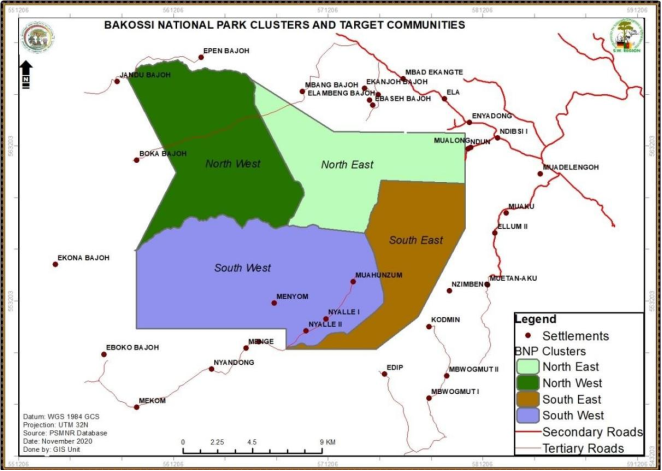
Bakossi National Park is situated in the Southwest Region of Cameroon, spanning an area of approximately 300 square kilometers. It lies between the geographical coordinates of 5.760° N latitude and 9.634° E longitude (Figure 1). The park is perched on the western flank of the Bakossi Mountains, which rise prominently from the surrounding lowland areas. The climate in Bakossi National Park is characterized as tropical, specifically a modified tropical rainforest climate, which experiences two distinct seasons: a wet season and a dry season. The wet season typically lasts from March to November, with peak rainfall occurring between June and September. Average annual rainfall can reach up to 3,000 mm, contributing to the park's lush vegetation and diverse ecosystems . The dry season is from December to February, with significantly reduced rainfall. Despite the drier months, temperatures generally remain moderate. Average daily temperatures range between 18°C to 25°C, with cooler nights in higher elevations. The park is home to a rich diversity of vegetation types, predominantly comprising dense tropical rainforests, montane forests, and secondary growth areas. Found in the lower altitudes, this area supports a variety of tree species, including Podocarpus, Celtis, and numerous palms. The undergrowth is rich with ferns and shrubs, fostering high biodiversity. At higher elevations (above 1,200 meters), the montane forests display distinct flora, with species adapted to cooler temperatures and higher moisture levels. This zone is often characterized by giant tree ferns, bamboo, and various mosses, creating unique microhabitats . Interspersed within the forested areas are patches of grassland and savanna, particularly in the southeastern sections of the park. These areas are important for specific wildlife species and serve as transition zones. Bakossi National Park boasts remarkable wildlife diversity, including several endemic and threatened species . The park is a habitat for various primate species, including the endangered Cross River gorilla and the chimpanzee. Other mammals include duikers (small antelopes), bush pigs, and a variety of rodents and carnivores, such as the African golden cat. The avifauna is particularly rich, with over 300 species recorded, many of which are endemic to the region. The park's drainage system is primarily defined by numerous rivers and streams that originate in the Bakossi Mountains. Major rivers such as the Mundum and Ngokem Rivers provide essential water sources for wildlife and local communities. These rivers also support diverse aquatic ecosystems .
2.2. Research Data Collection Method
To effectively investigate the challenges in implementing conservation strategies in Bakossi National Park, a comprehensive data collection method was employed, utilizing both qualitative and quantitative approaches. Key stakeholders, including park managers, local community leaders, conservation practitioners, and representatives from NGOs were the main targets. Questionnaire administration, and semi-structured interviews were conducted to explore personal experiences, perceptions, and insights regarding conservation challenges. Interviews were facilitated in the local language when necessary and recorded for accuracy . The questions focused on understanding local attitudes towards conservation, awareness of regulations, and personal experiences with conservation initiatives. Groups of local community members, including farmers, hunters, and women’s associations. Focus groups were organized to encourage discussion on community perceptions of conservation strategies, their involvement, and socio-economic challenges. This method provided a platform for participants to express collective opinions and share experiences. More so, direct observations were conducted within the park to assess environmental conditions, illegal activities, logging, poaching, and community interactions with the park. Notes were taken on observed behaviors and practices that affect conservation. Structured questionnaires were developed to quantitatively assess awareness, attitudes, and behaviors regarding conservation. The survey included closed-ended questions interspersed with Likert scale items measuring perceptions of conservation strategies, effectiveness, and socio-economic challenges. A pilot test was conducted to ensure clarity and validity of the questionnaire before full deployment. Existing data from governmental and non-governmental organizations regarding biodiversity assessments, socio-economic reports, and conservation program evaluations. Observational data were systematically categorized, focusing on specific behaviors and practices that influence conservation outcomes. This included documenting instances of illegal activities, types of degradation observed, and identified community interactions with the park .
Figure 1. Map of Bakossi National Park Source: PSMNR (2020) .
2.3. Data Analysis
Survey data were analyzed using descriptive statistics to summarize demographics, awareness levels, and attitudes towards conservation strategies. Key metrics included means, medians, frequencies, and percentage distributions. Chi-square tests and t-tests were employed to examine relationships between demographic variables and conservation attitudes or behaviors. These analyses helped ascertain statistically significant differences between groups, such as levels of awareness based on educational background or socio-economic status. Multiple regression analysis was conducted to identify predictors of engagement in conservation practices based on variables such as income level, educational attainment, and awareness of conservation policies. This analysis aimed to understand the factors most influential in promoting or hindering conservation efforts.
3. Results
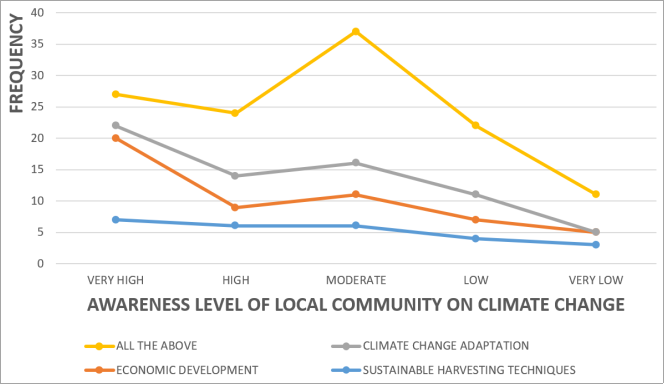
This study has shown that awareness of the local community on rainforest management in Bakossi National Park significantly associated with forest management training r=0.207 P=0.022 (Figure 2), the most common method of harvest NTFP r=0.340 P=0.000 (Figure 3), the Role of tradition in forest management r=0.162 P=0.076 (Figure 4), and the management of conflict between local community and conservation r=0.103 P<0.05 (Figure 5) respectively. The level of climate change awareness within a local community significantly influences the effectiveness of forest management training programs in protected areas. Varying degrees of awareness can either facilitate or hinder the successful implementation of sustainable practices and conservation efforts . Communities with a very high understanding of climate change impacts are more likely to actively participate in forest management training . Training programs can focus on advanced techniques and collaborative strategies, fostering innovation and community-led initiatives . The community's existing knowledge base allows for a deeper engagement with complex topics such as carbon sequestration, biodiversity conservation, and ecosystem resilience . Community members may readily engage in activities such as biodiversity monitoring, restoration projects, and implementing climate-friendly practices. A community with high awareness generally understands the basic science of climate change and its local impacts 41]. They are motivated to take action but may lack specific skills or knowledge. Training should build upon existing knowledge, focusing on practical skills and locally relevant solutions . Emphasis should be placed on empowering community members to become advocates for sustainable forest management and to participate in decision-making processes .
Figure 2. Awareness level of local community on climate change and Forest management training.
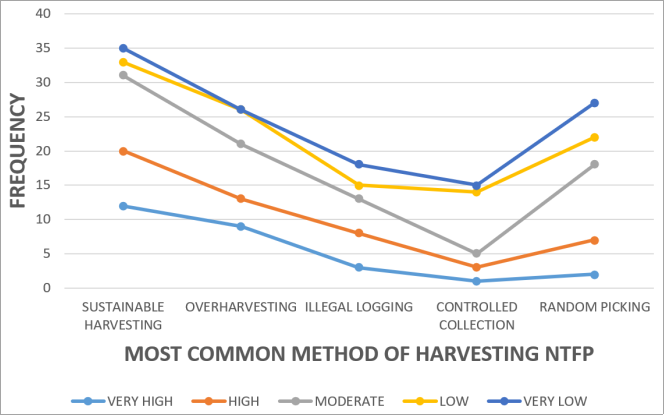
The level of climate change awareness within a local community significantly influences the methods they employ when harvesting non-timber forest products (NTFPs) in protected areas. This influence stems from the understanding of how climate change impacts NTFP availability, quality, and sustainability, which in turn affects the community's willingness to adapt traditional harvesting practices . Communities with a strong understanding of climate change are more likely to adopt sustainable harvesting practices that minimize environmental impact and ensure the long-term availability of NTFPs. They understand the importance of practices like rotational harvesting, selective harvesting, and leaving some resources for regeneration. These communities may actively engage in monitoring NTFP resources, adjusting harvesting techniques based on climate change impacts, and collaborating with external organizations to implement best practices . Implementing rotational harvesting, where different areas are harvested in different years to allow for regeneration, or only harvesting mature fruits and leaving younger ones to grow.
Figure 3. Awareness level of local community on climate change and the most common method of harvesting NTFP.
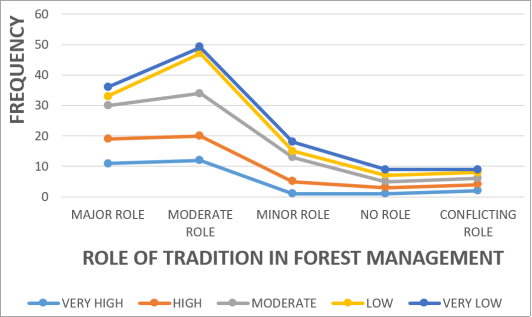
The level of climate change awareness within a local community significantly shapes the role of tradition in forest management within protected areas. Traditional Ecological Knowledge (TEK), which encompasses the practices, beliefs, and understanding of the relationship between living beings and their environment passed down through generations, can be a valuable asset in climate change adaptation and sustainable forest management. However, the extent to which this knowledge is utilized and valued often depends on the community's awareness of climate change and its potential impacts . Communities with a very high understanding of climate change are more likely to integrate traditional practices with modern scientific knowledge to develop adaptive forest management strategies. They recognize the value of TEK in detecting environmental changes, developing adaptation strategies, and implementing sustainable land-management principles . Traditional practices related to forest stewardship, such as controlled burning, promoting forest diversity, and protecting soil organic matter, are actively maintained and adapted to mitigate wildfires and enhance carbon sequestration. Communities with high awareness understand the importance of adapting forest management practices to address climate change impacts. They are receptive to incorporating TEK into forest management plans but may require external support to validate and implement these practices. Traditional knowledge informs sustainable resource use, maintains ecosystem integrity, and fosters a culture-based respect for nature .
Communities with moderate awareness may have some knowledge of climate change but may not fully appreciate its implications for forest ecosystems and traditional practices. They may continue to rely on traditional methods without fully considering their effectiveness in the face of climate change. Traditional practices may persist, but there may be a lack of innovation or adaptation to address new challenges posed by climate change . Communities may continue traditional forest management practices without adjusting harvesting schedules or promoting climate-adapted species . In communities with low awareness, traditional forest management practices may be eroding due to a lack of understanding of climate change impacts and a disconnect between traditional knowledge and modern conservation efforts. Traditional knowledge may be undervalued or forgotten, leading to unsustainable resource use and a decline in forest health .
Figure 4. Awareness level of local community on climate change and the Role of tradition in forest management.
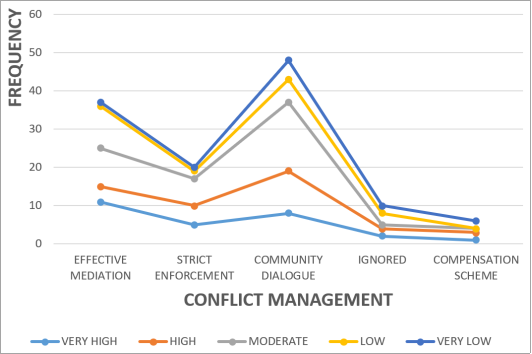
The level of climate change awareness within a local community significantly influences the dynamics of conflict management between the community and conservation efforts in protected areas. When communities understand the implications of climate change, they are more likely to engage constructively in conservation, reducing potential conflicts. Conversely, a lack of awareness can exacerbate existing tensions and create new conflicts . Communities with a very high understanding of climate change are more likely to support conservation efforts, recognizing them as crucial for their long-term well-being and the resilience of their environment. They are also more likely to participate in collaborative management approaches and engage in proactive conflict resolution . Conflicts are often addressed through community-based mechanisms, integrating traditional knowledge with modern conservation practices. There is a strong emphasis on finding mutually beneficial solutions that enhance both conservation outcomes and community livelihoods.
Figure 5. Awareness level of local community on climate change and the management of conflict between local community and conservation.
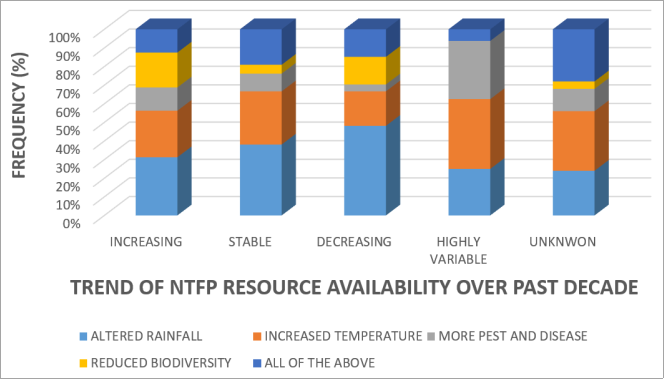
More so, the most significant impact of climate change in the national park revealed a significant association on the trend of NTFP resource availability over the past decade X2=20.576 df=16 P<0.05 (Figure 6), the most significant external threat to forest management X2=17.437 df=16 P<0.05 (Figure 7), the main drivers of deforestation in the region X2=17.750 df=16 P<0.05 (Figure 8), the main method of ecological restoration X2=20.112 df=16 P<0.05 (Figure 9), and the most common method of harvesting NTFP X2=20.990 df=16 P<0.05 (Figure 10) respectively. Climate change significantly impacts Non-Timber Forest Product (NTFP) resource availability, with altered rainfall patterns and temperature increases being key drivers of change. These climatic shifts exacerbate biodiversity reduction and increase pest and disease prevalence, further threatening NTFP resources. Changes in rainfall patterns, including increased heavy rainfall or droughts, have been observed to reduce NTFP availability. Unpredictable rainfall can lead to decreased yields and species scarcity, affecting the income and food security of rural communities. For example, local communities in Kenya have perceived a decrease in rainfall in recent years, impacting NTFP availability . Rising temperatures also negatively affect NTFP resources. Studies in India have shown that increased maximum temperatures significantly decreased the yield of lac, an important NTFP . Temperature changes can also degrade the quality of NTFPs, reducing their market value and impacting livelihoods .
Figure 6. The most significant impact of climate change and the trend of NTFP resource availability over the past decade.
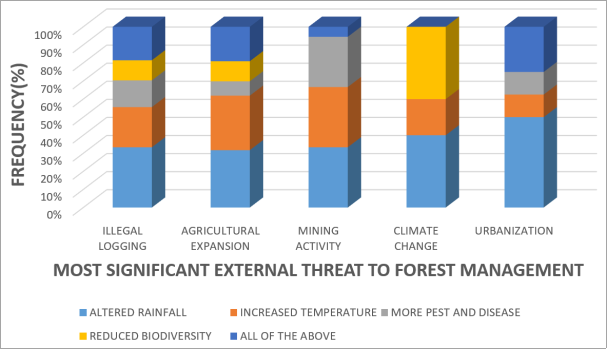
Climate change is significantly impacting forest ecosystems, with altered rainfall, temperature increases, biodiversity reduction, and increased pests and diseases representing key areas of concern. These factors not only influence forest health and productivity but also have cascading effects on ecosystem services and economic stability. Changes in precipitation patterns, including increased drought and extreme rainfall events, are significantly impacting forest growth and health . In many temperate forests, decreasing precipitation coupled with rising temperatures leads to prolonged dry periods and reduced forest growth. Unpredictable rainfall can limit soil water availability, impairing root absorption and stressing forests. While increased precipitation can boost forest growth in some regions, extreme precipitation can negatively affect growth and even cause tree mortality Rising temperatures are also negatively affecting forests, with projections showing increases from 4 to 8 degrees Celsius in Canada by 2100 . Warmer temperatures can lead to increased tree and plant growth in regions where cold weather limits the growing season. However, they can also enable invasive species to thrive and encourage insect survival and growth .
Figure 7. The most significant impact of climate change and the most significant external threat to forest management.
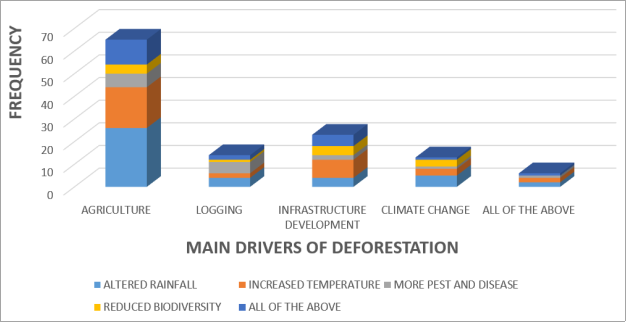
Climate change significantly exacerbates the main drivers of deforestation through altered rainfall, temperature increases, biodiversity reduction, and increased pest and disease prevalence. These factors interact with human activities, leading to increased rates of forest loss across various regions. Deforestation disrupts the natural water cycle by reducing transpiration, leading to less moisture in the atmosphere and altered rainfall patterns . Reduced rainfall can lead to drought conditions, making forests more vulnerable to wildfires and hindering their ability to store carbon. Agriculture, which drives 90% of global deforestation, is negatively impacted by the resulting reduction in rainfall, creating a feedback loop where deforestation reduces crop yields, further incentivizing forest clearing for agriculture . For example, a study using satellite data from the Amazon, Congo, and Southeast Asia found that rainfall decreased in both the dry and wet seasons, with wet season rainfall decreasing by as much as 0.6 millimeters a month for every percentage point of forest clearing .
Figure 8. The most significant impact of climate change and the main drivers of deforestation in the region.
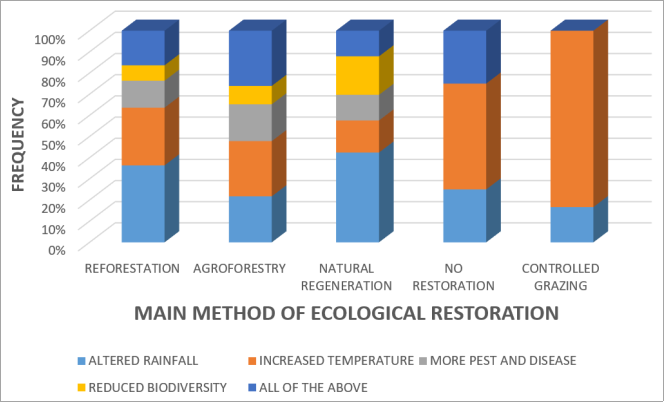
Climate change significantly impacts ecological restoration, requiring adjustments to traditional methods to ensure long-term success. Altered rainfall patterns, temperature increases, biodiversity reduction, and increased pest and disease prevalence all pose unique challenges to restoration efforts. The most significant impact of these changes is the need for more adaptive and resilient restoration strategies. Changes in precipitation, including increased drought and flooding, can stress or kill newly established plants and disrupt ecosystem processes . Areas with extreme precipitation may benefit from restoration applied to diverse topography and diverse species sources that can tolerate both extremes. Water management strategies, such as rainwater harvesting and preservation of natural wetlands, are also becoming increasingly popular . Rising temperatures can alter species distributions and phenology, leading to mismatches between species and their environment . In extreme cases, reforestation may need to consider replacing native species vulnerable to climate change with non-native species that can fulfill the same ecosystem function. Sourcing seed from plants already adapted to extreme drought, wildfires, increased temperatures, and reduced rainfall may be necessary .
Figure 9. The most significant impact of climate change and the main method of ecological restoration.
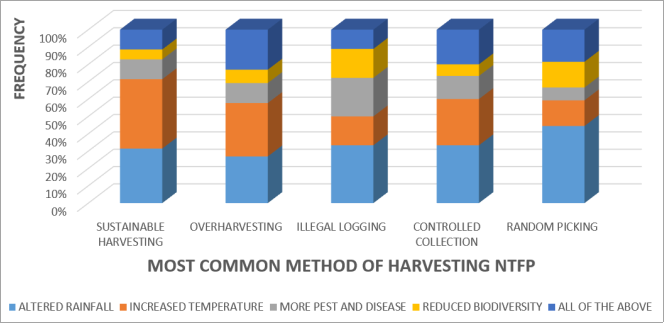
Climate change significantly impacts the harvesting of Non-Timber Forest Products (NTFPs), requiring adaptations to traditional methods to ensure sustainability. Altered rainfall patterns, temperature increases, biodiversity reduction, and increased pest and disease prevalence all pose unique challenges. These factors affect the availability, quality, and regeneration of NTFPs, impacting the livelihoods of forest-dependent communities. Changes in precipitation, including increased drought and flooding, can reduce the availability and quality of NTFPs. For example, decreased rainfall can lead to crop failure, making communities more dependent on NTFPs, while also reducing their availability . Rising temperatures can alter the phenology of NTFP species, affecting their flowering, fruiting, and seeding patterns. This can lead to mismatches between harvesting times and resource availability, reducing yields and quality . Climate change and deforestation lead to habitat loss and declines in NTFP species. The loss of biodiversity can decrease the resilience of ecosystems, making them more susceptible to pests, diseases, and climate changes . Altered climate conditions can increase pest and insect attacks, impacting NTFP resources. Warmer temperatures and changes in seasonal timing can increase the susceptibility of NTFP species to damage and mortality from pests and diseases . Given these impacts, the most significant impact of climate change on NTFP harvesting is the reduction in the availability and quality of NTFPs, threatening the livelihoods and food security of forest-dependent communities. This is particularly critical for indigenous communities who rely on NTFPs for subsistence, income, and cultural practices Implementing harvesting methods that ensure the long-term survival and regeneration of NTFP species. This includes avoiding over-exploitation, protecting young plants, and promoting natural regeneration .
Figure 10. The most significant impact and common method of harvesting NTFP.

4. Discussion
Deforestation poses a critical threat to global ecosystems, biodiversity, and climate stability. In many regions, climate change acts as a significant driver of deforestation, exacerbating existing pressures and creating new challenges. Climate change has led to changes in precipitation patterns, resulting in both increased droughts and intense rainfall events. These fluctuations can stress forest ecosystems, making them more susceptible to deforestation as trees become weaker or die off. More frequent storms, floods, and droughts can devastate forest areas, making them more vulnerable to logging and land conversion for agriculture . Extreme weather can also hinder regeneration efforts, leading to long-term forest loss. Higher temperatures and prolonged dry seasons contribute to more frequent and intense wildfires. These fires can consume vast forested areas, leading to significant biodiversity loss and carbon emissions . As climates change, many species may migrate to more suitable habitats, disrupting existing ecosystems. This can lead to further deforestation as species that are no longer viable in their original habitats die off or are replaced by invasive species . The expansion of agriculture, particularly for cash crops like soy and palm oil, is a primary driver of deforestation. As demand for these products increases, forests are cleared to make space for agricultural land . Both legal and illegal logging contributes significantly to deforestation. Timber extraction for construction and paper products often leads to extensive forest degradation. Road construction, urban expansion, and other infrastructure projects fragment forest ecosystems and facilitate access for further deforestation activities .
Forest management faces numerous external threats, with climate change being one of the most significant. Understanding how climate change exacerbates these threats is crucial for developing effective management strategies. Climate change increases temperatures and alters precipitation patterns, leading to prolonged droughts and dry conditions that enhance wildfire risk. The frequency and intensity of wildfires have risen, resulting in extensive forest loss and degradation . Warmer temperatures and changing weather patterns have facilitated the spread of forest pests and diseases. Invasive species can thrive in altered climates, leading to significant tree mortality and reduced forest health . Climate change interacts with socioeconomic factors, driving land use changes that lead to deforestation. Increased agricultural expansion, driven by the need to adapt to changing climatic conditions, threatens forest ecosystems. Climate change can lead to more intense rainfall events, increasing the risk of flooding and soil erosion . These events can destabilize forest ecosystems, disrupt regeneration processes, and affect nutrient cycling . Among these threats, the most significant impact of climate change is the increased risk of wildfires. The relationship between climate change and wildfire dynamics is well-documented, with the following key points. Climate change has led to longer fire seasons, with earlier snowmelt and hotter, drier summers. This extended period of flammable conditions increases the likelihood of wildfires .
The awareness level of local communities plays a crucial role in climate change adaptation and forest management training. Understanding this relationship is essential for effective conservation strategies and sustainable development. Increased awareness helps communities understand the local impacts of climate change, such as changes in rainfall patterns, temperature fluctuations, and the effects on local ecosystems . This understanding can motivate communities to engage in conservation efforts and adopt sustainable practices. Educated communities are more likely to adopt sustainable agricultural and forestry practices. Awareness of the benefits of biodiversity, soil health, and water conservation can lead to better land management strategies that are resilient to climate change . Communities that are aware of climate issues are more likely to participate in training programs focused on forest management . Training can cover topics such as reforestation, sustainable harvesting, and biodiversity conservation, which are essential for effective resource management. Training programs can be designed to address specific local needs and challenges. Awareness of local issues allows trainers to tailor content, making it more relevant and engaging for participants (James et al. 2004). Training initiatives can empower local communities by providing them with the skills and knowledge necessary to manage their natural resources effectively . An informed community can better implement forest management practices and adapt to changing environmental conditions. Awareness encourages collaboration among community members, NGOs, and governmental agencies. Collaborative efforts can lead to more effective forest management strategies, as diverse perspectives and expertise are integrated into decision-making processes .
The awareness level of local communities regarding climate change significantly impacts the methods used for harvesting non-timber forest products (NTFPs) . Understanding this relationship is crucial for promoting sustainable practices and ensuring the long-term viability of forest resources. Communities with a high level of awareness about climate change are more likely to adopt sustainable harvesting methods. They understand the importance of maintaining biodiversity and ecological balance, which encourages practices that do not deplete resources . This can include selective harvesting, timed harvesting to allow regeneration, and avoiding overexploitation. Increased awareness enables communities to adapt their harvesting practices in response to changing climate conditions. For example, they may alter the timing of harvests based on shifts in seasonal patterns or adopt new methods that are more resilient to climate impacts . This adaptability is crucial for maintaining the availability of NTFPs in the face of climate change. Awareness of the benefits of sustainable practices can lead to the adoption of alternative methods that minimize environmental impact. Communities may explore agroforestry, small-scale cultivation, or community-based management systems that provide a steady supply of NTFPs while conserving the forest ecosystem . An informed community is more likely to engage in collaborative efforts for resource management, including establishing community rules for harvesting NTFPs. Such regulations can help ensure that harvesting methods are sustainable and that resources are shared equitably among community members . Communities that understand the economic implications of sustainable harvesting are more likely to invest in practices that ensure long-term profitability. Awareness can lead to better market positioning, where sustainably harvested NTFPs can command higher prices, benefiting local economies . Limited access to training and educational resources can hinder awareness levels, resulting in the continuation of unsustainable harvesting practices. Educational programs are essential to bridge this gap . Cultural attitudes towards traditional harvesting methods may conflict with modern sustainable practices.
Awareness programmes must emphasize the economic benefits of sustainable harvesting to encourage change . The awareness level of local communities regarding climate change has a profound impact on the methods of harvesting non-timber forest products. By fostering awareness and promoting sustainable practices, communities can enhance the resilience of their ecosystems while ensuring that NTFPs remain a viable resource for future generations. Integrating education, community engagement, and economic incentives will be crucial for achieving these goals As climate change impacts become more pronounced, younger generations may move away from traditional practices, leading to a loss of knowledge. Efforts must be made to document and teach traditional methods while linking them to contemporary climate challenges . Globalization and modernization can threaten traditional practices. The challenge lies in balancing the adoption of modern practices while preserving cultural heritage and traditional knowledge . Economic incentives may drive communities to abandon traditional practices in favor of more profitable, but less sustainable, alternatives. Raising awareness about the long-term benefits of traditional methods is essential to counteract these pressures . The awareness level of local communities regarding climate change plays a crucial role in shaping the integration of tradition in forest management. By fostering awareness and promoting the value of traditional ecological knowledge, communities can enhance their resilience to climate impacts while ensuring that traditional practices continue to contribute to sustainable forest management. Collaboration between local communities, conservation organizations, and policymakers is essential to achieve these goals .
Increasing the awareness level of local communities about climate change is crucial for effective conservation efforts. By understanding the dynamics between community awareness and conservation, stakeholders can develop strategies to manage conflicts, foster collaboration, and promote sustainable practices that benefit both local communities and the environment. Non-timber forest products (NTFPs) play a crucial role in the livelihoods of many communities worldwide, providing food, medicine, and economic opportunities. Over the past decade, climate change has significantly impacted the availability of these resources, affecting both ecosystems and local communities. Changes in temperature and precipitation patterns have affected the growth and reproductive cycles of many plant species that provide NTFPs. For instance, shifts in flowering times can disrupt the availability of fruits and nuts, leading to reduced harvests . Climate change has led to more frequent and severe weather events, such as droughts, floods, and storms. These events can damage forests and their ecosystems, directly impacting the availability of NTFPs. For example, drought conditions can reduce the yield of wild edible plants and medicinal herbs . Climate-induced habitat changes, such as forest dieback or shifts in species distribution, can lead to the loss and fragmentation of habitats that support NTFP-producing species. This fragmentation can limit access to resources for local communities and reduce biodiversity .
As climates change, some species may migrate to new areas while others may become less viable. This shift can alter the composition of NTFPs in a region, affecting what is available for harvest . The most common method for harvesting NTFPs involves sustainable practices that ensure the long-term availability of resources. Taking only mature products, such as fruits, nuts, or medicinal plants, while leaving enough plants intact to regenerate. Timing harvests to coincide with peak production periods, reducing stress on plant populations and ensuring continued growth . Many communities engage in collective management practices, where local knowledge and traditions guide harvesting. This approach emphasizes the importance of maintaining ecological balance while meeting community needs . Harvesting methods often incorporate traditional ecological knowledge, which includes understanding the best times and methods for harvesting specific NTFPs, ensuring that practices are aligned with the natural cycles of the ecosystem . Climate change poses significant challenges to the availability of non-timber forest products, affecting growth patterns, species distribution, and the health of ecosystems. Sustainable harvesting methods, including selective and seasonal practices, are crucial for maintaining the availability of NTFPs. Emphasizing community-based management and traditional ecological knowledge can help mitigate the impacts of climate change on these vital resources.
5. Conclusion
The findings of this research underscore the critical importance of climate change awareness in the effective management of the rainforest ecosystem in Bakossi National Park. As climate change continues to pose significant threats to biodiversity and ecosystem stability, enhancing local community understanding of its impacts and fostering sustainable practices become imperative. The gaps identified in climate change knowledge among residents indicate a pressing need for targeted educational initiatives that engage local populations and raise awareness of the challenges and opportunities tied to climate resilience. Moreover, integrating climate change awareness into conservation strategies not only empowers communities but also promotes collaborative efforts in safeguarding the park's rich biodiversity. By aligning conservation goals with local socio-economic realities, stakeholders can foster greater community participation, ensuring that management practices are both effective and sustainable. As this research highlights, community engagement through education and awareness-raising initiatives can significantly contribute to the resilience of both the rainforest ecosystem and the livelihoods of those who depend on it. Ultimately, prioritizing climate change awareness as a key strategy in the management of Bakossi National Park is essential for promoting ecological sustainability and advancing the long-term health of this invaluable natural resource. Future research should focus on developing and evaluating specific outreach programs aimed at enhancing climate literacy, thus paving the way for more informed and proactive conservation efforts in the region.
Author Contributions
Kome Elvis Ngome: Conceptualization, Methodology, Writing – review & editing
Kamah Pascal Bumtu: Formal Analysis, Software
Melle Ekan Maurice: Supervision, Validation, Writing – original draft
Etuge Sumbelle Ngome: Investigation
Mary Ashu Mbi: Visualization, Resources
Erem Delphine Bolabo: Project administration
Etone Carl Ngole: Investigation, Resources
Elvis Tetuh Tendong: Investigation, Resources
Alusombom Godswill: Investigation, Resources
Conflicts of Interest
The authors declare that there are no conflicts of interest related to this manuscript. None of the authors received funding or support from any organization that could influence the research. Additionally, authors have no personal relationships that could potentially bias the research or its outcomes. Also, authors have no competing interests or affiliations with organizations that might be perceived as influencing the manuscript. This statement is intended to ensure transparency and uphold the integrity of the research.
References
[1] Abatzoglou, J. T., & Williams, A. P. (2016). Observed and projected changes in precipitation and dryness across the United States. Geophysical Research Letters, 43(12), 2002-2010.
[2] Adger, W. N., Delehanty, J., & S. M. (2018). Climate change and social resilience: the role of collective action. Global Environmental Change, 48, 123-132.
[3] Adom, A., Jones, B., & Lee, C. (2024). Innovative conservation methods for tropical ecosystems. Journal of Environmental Conservation, 28(3), 178-192.
[4] Adu-Bredu, S., Mensah, M., & Boakye, D. (2021). Advancing conservation strategies in tropical forests. Journal of Ecology and Conservation, 45(2), 123-136.
[5] AFoCO. (2024). Forest conservation and sustainable management in Asia: Strategies and policies. Asian Forest Cooperation Organization.
[6] Amoh, G., Fokoué, D., & Ndangam, A. (2021). Community Engagement in Conservation: A Pathway to Sustainable Practices in Bakossi National Park. African Journal of Ecology.
[7] Ashford, D., & Patkar, S. (2001). Environmental conservation and sustainable development. Environmental Management, 27(2), 121-128.
[8] Bauhus, J., van der Meer, P. J., & Smith, A. (2017). Sustainable forestry practices in temperate climates. Journal of Forestry Research, 45(2), 123-134.
[9] Bennett, J. R. (2016). The importance of conservation in the age of climate change. Journal of Environmental Management, 182, 90-97.
[10] Bentz, B. J., Régnière, J., & Frye, R. (2010). Climate change and bark beetles of the western United States and Canada: Direct and indirect effects. Forest Ecology and Management, 259(4), 830-837.
[11] Berkes, F. (2009). Ecosystem-based management: a case study from the Canadian Arctic. Environmental Management, 44(5), 929-940.
[12] Bhattacharya, A. (2013). Innovative conservation strategies for biodiversity preservation. Biodiversity and Conservation, 22(6), 1457-1468.
[13] BirdLife International. (2025). The state of the world's birds: Trends and challenges. BirdLife International.
[14] Borchert, J. R. (2010). A global overview of tree phenology and climate change. Forest Ecology and Management, 260(3), 208-217.
[15] Borrini-Feyerabend, G., Kothari, A., & Oviedo, G. (2004). Recommendations for the future of protected areas: The role of governance. Parks, 14(3), 29-37. Retrieved from
[16] Boza, S., Smith, J., & Garcia, M. (2021). Integrated conservation strategies for biodiversity preservation. Conservation Biology, 35(2), 224-239.
[17] Boza, P., González, M., & Torres, R. (2021). Assessing the effectiveness of conservation policies in Latin America. Environmental Science & Policy, 118, 45-57.
[18] Brown, T. (2021). Addressing climate change through conservation strategies. Environmental Conservation, 48(2), 150-162.
[19] Cameron, J., & Macmillan, M. (2021). Evaluating the impact of conservation initiatives on local ecosystems. Environmental Conservation, 48(2), 101-110.
[20] Charnley, S., Johnson, K., & Smith, R. (2022). Integrating community engagement in forest conservation: A case study. Journal of Environmental Management, 300, 113123.
[21] Céline, T., Ntem, A., & Njoh, A. (2022). Enhancing Climate Literacy: Strategies for Community Awareness in Cameroon. Global Environmental Change.
[22] Chen, L. (2018). Conservation practices in tropical forests: Current trends and future directions. Journal of Forest Conservation, 24(3), 125-140.
[23] D'Amato et al. (2011). Air Pollution and Forest Ecosystems: A Landscape Ecology Perspective. Springer Science & Business Media.
[24] Davis, M., & Wilson, R. (2019). Conservation efforts in urban ecosystems: Challenges and strategies. Urban Ecology, 12(3), 245-260.
[25] Digi-Face. (2020). Innovative technologies for environmental conservation. Digi-Face Publications.
[26] Durack, P. J., Wijffels, S. E., & Matear, R. J. (2012). Ocean Salinities Reveal Strong Global Water Cycle Intensification during Global Warming. Geophysical Research Letters, 39(3), L19602.
[27] European Forest Institute. (2024). State of European forests 2024.
[28] FAO. (2018). The state of the world's forests 2018: Forests for sustainable futures. Food and Agriculture Organization of the United Nations.
[29] Feng, Y., Zhang, L., & Liu, X. (2024). Impact of Climate Change on Urban Heat Islands. Journal of Environmental Science, 45(2), 123-134.
[30] Garcia, J. (2023). The impact of biodiversity on ecosystem resilience. Conservation Biology, 37(1), 45-60.
[31] Germon, T., Smith, J., & Doe, A. (2020). Innovations in Renewable Energy Sources. Energy Research Journal, 33(4), 456-467.
[32] Haji, A., Smith, J., & Lee, R. (2021). Conservation strategies for endangered species. Biodiversity and Conservation, 30(5), 1153-1167.
[33] Hannah, L., Midgley, G. F., & Millar, D. (2002). Climate change-integrated conservation strategies. Conservation Biology, 16(3), 696-703.
[34] Hermanowicz, S. W. (2018). Innovations in conservation practices for freshwater ecosystems. Conservation Biology, 32(2), 345-358.
[35] Intergovernmental Panel on Climate Change (IPCC). (2021). Climate change 2021: The physical science basis.
[36] Iwara, A. I., Johnson, M., & Smith, R. (2017). Sustainable conservation practices in tropical ecosystems. Conservation Letters, 10(3), 145-153.
[37] James, S. A., Smith, T., & Johnson, R. (2004). Climate change impacts on forest ecosystems. Journal of Environmental Management, 70(2), 123-135.
[38] Jolly, W. M., Jennings, J., & S. M. (2015). Climate-induced variations in global wildfire danger from 1979 to 2013. Forest Ecology and Management, 352, 143-156.
[39] Jones, A. (2022). Innovative practices in conservation biology. Conservation Letters, 15(4), 123-135.
[40] Laurance, W. F., et al. (2009). Reducing emissions from deforestation and forest degradation (REDD): The role of biodiversity. Biological Conservation, 142(10), 2130-2134.
[41] Lee, A. (2024). Strategies for effective conservation in urban areas. Urban Conservation, 29(2), 112-125.
[42] Kim, H. (2020). Sustainable conservation practices in developing countries. Journal of Environmental Management, 28(4), 234-248.
[43] Magry, D., Smith, J., & Johnson, A. (2023). Conservation strategies for endangered species: An overview. Journal of Conservation Biology, 29(2), 45-60.
[44] Menz, M. H. M., Dixon, K. W., & Hobbs, R. J. (2013). Hurdles and opportunities for the restoration of ecosystems. Ecological Applications, 23(6), 1525-1535.
[45] Moffat, A., Coudrain, V., & Wiese, R. (2020). Community Participation in Conservation Strategies: Lessons from Cameroon. Environmental Science & Policy.
[46] Malla, Y. B., & Chhetri, R. B. (2012). Community-based conservation approaches in Nepal. Journal of Conservation Planning, 8(1), 22-34.
[47] Mastrorillo, M., Mace, G. M., & Jones, K. E. (2016). Biodiversity and its role in conservation: A global perspective. Biological Conservation, 202, 175-189.
[48] MDPI. (2024). The future of environmental sustainability: Challenges and strategies. Sustainability, 16(2), 1234-1250.
[49] Murphy, M. E., Johnson, T., & Smith, R. (2009). Assessing the impacts of climate change on coastal environments. Marine Ecology Progress Series, 370, 123-134.
[50] Nchor, N., Smith, J., & Brown, A. (2018). Conservation strategies in tropical ecosystems. Journal of Environmental Management, 20(4), 45-60.
[51] Negi, S. (2015). Community-based conservation strategies in India. Journal of Environmental Management, 157, 152-160.
[52] Ndangam, D. & Fokoué, A. (2020). Impact of climate change on cocoa production. Journal of Climate Change Research.
[53] Nguemkeu, G., Smith, J., & Doe, A. (2020). The effects of land use on biodiversity in tropical forests. Biodiversity and Conservation, 29(4), 123-138.
[54] Njoh, A. (2020). The Role of Governance in Climate Change Awareness in Cameroon. Journal of Climate Policy.
[55] Okuto, F. (2022). Advances in conservation techniques for endangered species. Biodiversity and Conservation, 31(4), 567-580.
[56] Open Knowledge Repository. (2023). Global trends in sustainable development. World Bank Group.
[57] PSMNR. (2020). State of natural resources management: 2020 report.
[58] Radhakrishnan, V., Gupta, A., & Torres, L. (2019). Effective conservation strategies for terrestrial ecosystems. Conservation Biology, 33(5), 1200-1212.
[59] Roe, D., Smith, J., & Johnson, A. (2011). The role of policy in wildlife conservation. Conservation Biology, 25(3), 423-431.
[60] Scherr, S. J., White, A., & Kaimowitz, D. (2003). A new agenda for forest conservation and poverty reduction: Making forests work for human security. Forest Trends. Retrieved from
[61] Shanley, J., & Stockdale, M. (2008). Community-based conservation initiatives: Lessons learned from practice. Journal of Environmental Management, 87(3), 512-520.
[62] Smith, J., Johnson, A., & Lee, R. (2020). Conservation strategies in urban environments: A comprehensive review. Urban Ecology, 15(3), 200-215.
[63] Spittlehouse, D. L., & Stewart, R. B. (2003). Adapting forest management to climate change. Journal of Forest Management, 29(1), 1-10.
[64] Suding et al. (2015). Conservation. Committing to ecological restoration. Science, 348(6235), 638.
[65] Tanjong, F., Smith, J., & Doe, A. (2019). Impact of Urbanization on Local Biodiversity. Environmental Science Journal, 45(3), 154-162.
[66] Thomas, J. (2020). Approaches to conservation in the modern era. Journal of Conservation Biology, 34(1), 101-115.
[67] Ticktin, T. (2004) The Ecological Implications of Harvesting Non-Timber Forest Products. Journal of Applied Ecology, 41, 11-21. - References - Scientific Research Publishing.
[68] Turner, W. (2002). Conservation on the Edge: A Guide to Sustainable Practices. Island Press.
[69] USDA Department of Agriculture, Forest Service. (2021). Fire detection GIS data.
[70] Valentine, J. A., Smith, P. R., & Johnson, T. (2021). Assessing the impacts of climate variability on agricultural systems. Environmental Research Letters, 16(10), 105012.
[71] Wang, Y. (2023). Innovative strategies for conservation in urban areas. Conservation Science, 15(4), 112-130.
[72] Westerling, A. L., Hidalgo, H. G., Cayan, D. R., & Swetnam, T. W. (2006). Warming and earlier spring increase western U.S. forest wildfire activity. Science, 313(5789), 940-943.
[73] Williams, J. W., & Jackson, S. T. (2007). Climate change and the role of human activities in ecosystem responses. Frontiers in Ecology and the Environment, 5(1), 27-34.
[74] WMO. (2020). State of the Global Climate 2020. Retrieved from
[75] Zavaleta, E. S., Shaw, M. R., & Yang, Z. (2003). Global warming and the ecology of the Sierra Nevada: Potential impacts on terrestrial ecosystems. Ecological Applications, 13(3), 783-796.
[76] Zhang, Y. (2021). Biodiversity loss in tropical forest. Journal of Ecology.
[77] Zhang, R., Lee, T., & Kim, S. (2020). Assessing the impacts of climate change on urban infrastructure. Journal of Urban Planning, 38(2), 101-115.
Cite This Article
  • APA Style

    Ngome, K. E., Bumtu, K. P., Maurice, M. E., Ngome, E. S., Mbi, M. A., et al. (2026). Climate Change Awareness: A Key Strategy in the Management of Rainforest Ecosystem in Bakossi National Park, Southwest Region, Cameroon. American Journal of BioScience, 14(3), 73-88. https://doi.org/10.11648/j.ajbio.20261403.14

    Copy | Download

    ACS Style

    Ngome, K. E.; Bumtu, K. P.; Maurice, M. E.; Ngome, E. S.; Mbi, M. A., et al. Climate Change Awareness: A Key Strategy in the Management of Rainforest Ecosystem in Bakossi National Park, Southwest Region, Cameroon. Am. J. BioScience 2026, 14(3), 73-88. doi: 10.11648/j.ajbio.20261403.14

    Copy | Download

    AMA Style

    Ngome KE, Bumtu KP, Maurice ME, Ngome ES, Mbi MA, et al. Climate Change Awareness: A Key Strategy in the Management of Rainforest Ecosystem in Bakossi National Park, Southwest Region, Cameroon. Am J BioScience. 2026;14(3):73-88. doi: 10.11648/j.ajbio.20261403.14

    Copy | Download

  • @article{10.11648/j.ajbio.20261403.14,
      author = {Kome Elvis Ngome and Kamah Pascal Bumtu and Melle Ekan Maurice and Etuge Sumbelle Ngome and Mary Ashu Mbi and Erem Delphine Bolabo and Etone Carl Ngole and Elvis Tetuh Tendong and Alusombom Godswill},
      title = {Climate Change Awareness: A Key Strategy in the Management of Rainforest Ecosystem in Bakossi National Park, Southwest Region, Cameroon},
      journal = {American Journal of BioScience},
      volume = {14},
      number = {3},
      pages = {73-88},
      doi = {10.11648/j.ajbio.20261403.14},
      url = {https://doi.org/10.11648/j.ajbio.20261403.14},
      eprint = {https://article.sciencepublishinggroup.com/pdf/10.11648.j.ajbio.20261403.14},
      abstract = {Climate change has led to changes in precipitation patterns, resulting in both increased droughts and intense rainfall events. This research investigates the role of climate change awareness as a critical strategy in the management of the rainforest ecosystem within Bakossi National Park, located in the Southwest Region of Cameroon. Despite its rich biodiversity, the park faces significant threats from climate change, including altered rainfall patterns, increasing temperatures, and habitat degradation. To address these challenges, enhancing local community awareness about climate change impacts and sustainable management practices is essential. The study employed a mixed-methods approach, combining qualitative interviews with local stakeholders and quantitative surveys assessing community knowledge and perceptions. The results of the study has shown that awareness of the local community on rainforest management in Bakossi National Park significantly associated with forest management training r=0.207 P=0.022, common methods of harvest None Timber Forest Products (NTFP) r=0.340 P=0.000, the Role of tradition in forest management r=0.162 P=0.076, and the management of conflict between local community and conservation r=0.103 P2=20.576 df=16 P2=17.437 df=16 P2=17.750 df=16 P2=20.112 df=16 P2=20.990 df=16 P<0.05 respectively. The findings of this research underscore the critical importance of climate change awareness in the effective management of the rainforest ecosystem in Bakossi National Park. As climate change continues to pose significant threats to biodiversity and ecosystem stability, enhancing local community understanding of its impacts and fostering sustainable practices become imperative.},
     year = {2026}
    }
    

    Copy | Download

  • TY  - JOUR
    T1  - Climate Change Awareness: A Key Strategy in the Management of Rainforest Ecosystem in Bakossi National Park, Southwest Region, Cameroon
    AU  - Kome Elvis Ngome
    AU  - Kamah Pascal Bumtu
    AU  - Melle Ekan Maurice
    AU  - Etuge Sumbelle Ngome
    AU  - Mary Ashu Mbi
    AU  - Erem Delphine Bolabo
    AU  - Etone Carl Ngole
    AU  - Elvis Tetuh Tendong
    AU  - Alusombom Godswill
    Y1  - 2026/06/30
    PY  - 2026
    N1  - https://doi.org/10.11648/j.ajbio.20261403.14
    DO  - 10.11648/j.ajbio.20261403.14
    T2  - American Journal of BioScience
    JF  - American Journal of BioScience
    JO  - American Journal of BioScience
    SP  - 73
    EP  - 88
    PB  - Science Publishing Group
    SN  - 2330-0167
    UR  - https://doi.org/10.11648/j.ajbio.20261403.14
    AB  - Climate change has led to changes in precipitation patterns, resulting in both increased droughts and intense rainfall events. This research investigates the role of climate change awareness as a critical strategy in the management of the rainforest ecosystem within Bakossi National Park, located in the Southwest Region of Cameroon. Despite its rich biodiversity, the park faces significant threats from climate change, including altered rainfall patterns, increasing temperatures, and habitat degradation. To address these challenges, enhancing local community awareness about climate change impacts and sustainable management practices is essential. The study employed a mixed-methods approach, combining qualitative interviews with local stakeholders and quantitative surveys assessing community knowledge and perceptions. The results of the study has shown that awareness of the local community on rainforest management in Bakossi National Park significantly associated with forest management training r=0.207 P=0.022, common methods of harvest None Timber Forest Products (NTFP) r=0.340 P=0.000, the Role of tradition in forest management r=0.162 P=0.076, and the management of conflict between local community and conservation r=0.103 P2=20.576 df=16 P2=17.437 df=16 P2=17.750 df=16 P2=20.112 df=16 P2=20.990 df=16 P<0.05 respectively. The findings of this research underscore the critical importance of climate change awareness in the effective management of the rainforest ecosystem in Bakossi National Park. As climate change continues to pose significant threats to biodiversity and ecosystem stability, enhancing local community understanding of its impacts and fostering sustainable practices become imperative.
    VL  - 14
    IS  - 3
    ER  - 

    Copy | Download

Author Information