Research Article | | Peer-Reviewed

Artificial Intelligence Applications and Logistics Cost Control in Enterprises: Evidence from Chinese Listed Companies

Received: 8 February 2026     Accepted: 20 February 2026     Published: 27 February 2026
Views:       Downloads:
Abstract

Against the backdrop of the deep integration between the digital economy and intelligent manufacturing, artificial intelligence (AI) technology has emerged as a critical driver for enterprises to reduce costs, improve efficiency, and optimize organizational structures. Using a sample of Chinese A-share listed companies during 2011–2023, this study constructs a novel text-mined AI application index through systematic analysis of annual report disclosures. Employing a two-way fixed-effects model (controlling for firm and year fixed effects), we empirically examine the impact mechanism of AI adoption on enterprises’ warehousing and logistics cost control. Our key findings are as follows: (1) AI application significantly reduces corporate logistics costs, and this result remains robust after a series of robustness tests, including alternative variable measurements, exclusion of special years (e.g, 2020 amid the COVID-19 pandemic), and instrumental variable estimation to address potential endogeneity. (2) Mediation analysis reveals three underlying channels: AI technology reduces logistics costs by enhancing the level of specialized division of labor, promoting supply chain diversification, and optimizing inventory management through real-time demand forecasting and predictive analytics. (3) Heterogeneity analysis indicates that the cost-reducing effect of AI application is more pronounced for firms located in eastern China and those operating in technology-intensive industries. This study provides empirical evidence for understanding the micro-level mechanism through which AI influences enterprise operations and cost control, and offers important implications for policymakers formulating digital economy policies and for enterprises implementing intelligent supply chain management. It also contributes to the literatures on operations management and corporate digital transformation by uncovering empirically grounded pathways linking AI deployment to logistics cost performance.

Published in American Journal of Management Science and Engineering (Volume 11, Issue 1)
DOI 10.11648/j.ajmse.20261101.14
Page(s) 35-51
Creative Commons

This is an Open Access article, distributed under the terms of the Creative Commons Attribution 4.0 International License (http://creativecommons.org/licenses/by/4.0/), which permits unrestricted use, distribution and reproduction in any medium or format, provided the original work is properly cited.

Copyright

Copyright © The Author(s), 2026. Published by Science Publishing Group

Keywords

Artificial Intelligence, Logistics Cost, Specialized Division of Labor, Supply Chain Diversification, Inventory Management Efficiency

1. Introduction
Against the backdrop of accelerated development in the digital economy and intelligent manufacturing, AI technology has become a pivotal driver for enterprises to achieve transformation, upgrading, and operational performance improvement. Through technological approaches such as machine learning, deep learning algorithms, and natural language processing, AI has facilitated intelligent enablement across production, management, and decision-making processes (Richey et al, 2023) . Particularly in the domain of enterprise cost management, AI application is evolving from traditional cost accounting and control toward a data-driven dynamic optimization and decision support framework—reshaping the fundamental logic of cost management practices.
For enterprises, cost control serves as a foundational component for achieving high-quality development and a core pathway to strengthening competitiveness. Over an extended period, Chinese manufacturing enterprises have commonly encountered structural challenges, including rising costs, declining efficiency, and inadequate supply chain collaboration. Against the backdrop of volatile raw material prices, international trade uncertainties, and sustained rises in labor costs, how to harness AI) to realize cost control and efficiency improvement has become a critical agenda for enterprises’ digital transformation. According to a McKinsey report (2023), AI technology is expected to unlock cost-saving potential of up to 15%–25% in manufacturing and logistics processes—indicating that AI is not merely an informational tool but a critical driver for reshaping corporate operational models.
For China, the widespread adoption and application of AI technology also bear profound macro-strategic implications. The 14th Five-Year Plan for the Development of Intelligent Manufacturing—a joint document issued by eight government departments including the Ministry of Industry and Information Technology (MIIT) and the National Development and Reform Commission (NDRC) (MIIT & NDRC [2021] No. 207)—explicitly mandates: “Accelerate the deep integration of AI with the real economy, and promote the digitalization, intellectualization, and green development of manufacturing.” Fueled by the dual impetus of policy incentives and technological advancement, AI-driven reshaping of enterprises’ cost structures, optimization of supply chain collaboration, and enhancement of industrial productivity have emerged as a critical lens to observe the cultivation of new quality productive forces in China’s digital economy. Therefore, exploring the economic effects of AI application on enterprises’ logistics cost control not only delivers practical management implications but also contributes to uncovering new evolutionary patterns of enterprise efficiency in the digital era.
In recent years, academic research regarding the application of AI in enterprise operations and cost control has experienced a rapid surge. Dubey et al. (2020) demonstrated via empirical analyses of manufacturing and logistics enterprises that AI-driven predictive algorithms and data analytical techniques can significantly optimize the efficiency of production planning and inventory scheduling, thereby achieving a substantial reduction in enterprise warehousing and transportation costs . Pournader et al. (2021) noted that AI can further enhance the efficiency and rationality of resource allocation, as well as strengthen enterprises’ cost control capabilities in uncertain environments, through the optimization of supply chain information flow transmission efficiency and logistics route planning . Based on a systematic review of the latest academic literature, Culot et al. (2024) proposed that the popularization of AI technology in supply chain management is gradually forming a complete logical chain of "data intelligence - predictive optimization - cost control", whose core essence lies in the dynamic and precise management of market demand fluctuations and inventory overstock through iterative algorithm learning and continuous model training . Richey et al. (2023) argued that the application scenarios of AI have gradually evolved from single-link decision support to full-process intelligent integration within enterprises, and its optimization effect on the enterprise cost structure is mainly reflected in three core dimensions: transaction costs, coordination costs, and learning costs . Collectively, the aforementioned research findings indicate that the mechanism through which AI influences enterprise logistics cost control is transforming from single-point efficiency improvement to systematic resource optimization. However, the majority of existing studies are based on macro-level data or industry cases from developed countries, resulting in a scarcity of micro-level empirical evidence for emerging markets, particularly Chinese enterprises. To address this research gap, this study employs data from Chinese A-share listed companies spanning 2011 to 2023, constructs an enterprise AI application intensity index based on annual report text mining methods, and adopts a two-way fixed effects model to empirically examine the mechanism, heterogeneous effects, and mediating transmission mechanisms of AI application on enterprise logistics cost control.
In comparison with the existing literature, this study makes the following marginal contributions: First, from the perspective of research focus, unlike previous studies that centered on macro industries or cross-national samples, this study takes the enterprise level as the analytical unit, focusing on the direct impact of AI application on the enterprise cost structure, particularly the constraining effect on warehousing and logistics costs. Second, in terms of research methodology, this study combines annual report text mining with AI keyword frequency analysis to innovatively measure the level of enterprise AI application, thereby overcoming the inherent limitations of traditional subjective surveys; it utilizes large-sample panel data to empirically test the impact of AI application on logistics cost control and its heterogeneity under different levels of digital infrastructure, geographical locations, and industry attributes, providing an empirical foundation for the high-quality development of Chinese enterprises and the practice of intelligent logistics. Third, regarding the impact mechanism, this study further reveals the pathway through which AI application facilitates cost reduction and efficiency enhancement in enterprise logistics by promoting specialized division of labor, supply chain diversification, and inventory management optimization, thus expanding the cross-integration perspective of AI with enterprise organizational economics and supply chain management theory.
2. Materials and Methods
This study relied primarily on a comprehensive literature review and empirical analysis, utilizing data from Chinese A-share listed companies. Specifically, it constructed indicators of enterprise AI application through text mining of annual reports, and adopted a two-way fixed effect model, an instrumental variable approach, and a mediating effect model for empirical testing. The study period spanned one year, ranging from 2024 to 2025. This research focused on Chinese enterprises, with comparative analyses conducted against samples from developed countries.
2.1. Literature Review
2.1.1. Research Progress on the Application of AI in Enterprise Cost Control
In recent years, the application of AI technology has continuously expanded into the fields of enterprise management, production operations, and cost control, offering new possibilities for enhancing enterprise efficiency and achieving structural cost reduction. Existing research mainly explores the mechanism of AI in cost control from three perspectives: enterprise productivity, management control mechanisms, and strategic decision-making. From the perspective of productivity, Siedschlag and Duran Vanegas (2024) found through empirical analysis based on Irish enterprise panel data that the intensity of AI application significantly improved enterprise productivity, thereby revealing the potential of AI to enhance resource allocation efficiency through data learning and task automation, and providing indirect evidence for cost control . At the level of enterprise management control and organizational governance, Solaimani et al. (2020) pointed out that the introduction of AI has transformed enterprises’ internal control and auditing processes, strengthened information processing and supervision functions, and rendered the decision-making chain more transparent and efficient . AI can reduce human bias and information asymmetry, thereby indirectly lowering transaction costs and supervision costs.
Further, from the perspective of the cost management system, Ali et al. (2024) proposed that AI technology affects organizational performance and cost efficiency through the mediating role of the cost management control system . AI enables real-time cost monitoring and dynamic budget adjustment, thereby improving resource utilization efficiency and management flexibility at the strategic level, and forming a sustainable cost reduction mechanism. From the perspective of enterprise strategy and investment decision-making, Hoque (2024) found that AI promotes business restructuring, mergers and acquisitions, and process reengineering, enabling enterprises to develop new growth models . AI investment not only boosts productivity but also achieves long-term cost savings through optimized strategic positioning and innovation paths. Meanwhile, Tanim (2025)’s research in the field of IT project management indicates that AI-driven strategic decision-making mechanisms can optimize resource allocation, reduce operational risks, and improve cost efficiency .
2.1.2. The Role of Artificial Intelligence in Supply Chain Management and Collaborative Mechanisms
Enterprise cost control not only relies on the improvement of internal management efficiency but also depends on the overall collaboration and resource matching capabilities of the supply chain. A large number of studies have shown that artificial intelligence has a significant promoting effect on supply chain collaboration and cost optimization. Gunasekaran et al. (2017) found that AI-driven predictive analysis can transform supply chain management from passive response to active optimization, reducing inventory overstock and transportation bottlenecks caused by information asymmetry, thereby lowering supply chain operation costs. Wamba et al. (2017) further proposed that the application of AI enhances enterprises' data processing capabilities and dynamic capabilities, promoting their collaborative response and resource integration efficiency in complex supply networks .
Toorajipour et al. (2021) systematically reviewed the application paths of AI in supply chain management, indicating that AI technologies can enhance transparency and visualization in demand forecasting, risk identification, order fulfillment, and other links, thereby improving the matching and collaboration of the supply chain . This mechanism is regarded as an important mediating variable through which AI influences cost control. Hasija and Esper (2022) proposed from an organizational perspective that the cost reduction potential of AI depends on the internal trust mechanism and cross-departmental coordination level of the enterprise . Without necessary organizational integration and data interoperability, its economic effects will be difficult to fully manifest.
In an uncertain environment, AI has also been proven to help enhance the resilience and flexibility of the supply chain. Belhadi et al. (2021) found in their study of supply chain performance during the COVID-19 pandemic that AI-driven innovations can help enterprises quickly reorganize resources and adapt paths in the face of sudden shocks, thereby suppressing cost increases caused by abnormal fluctuations . Ivanov and Dolgui (2021) proposed the concept of "digital supply chain twin", arguing that the combination of AI and digital twin technology can achieve dynamic monitoring and risk prediction of the supply chain through virtual simulation, effectively optimizing emergency logistics costs .
2.1.3. Artificial Intelligence and Digital Transformation, Specialization Division of Labor, and Logistics Cost Control
In recent years, academic circles have begun to pay attention to the relationship between artificial intelligence and enterprise organizational structure, specialization division of labor, and digital transformation. Cannas et al. (2023), based on empirical research in operations management, pointed out that the introduction of AI has promoted the intelligence and systematization of task division in the enterprise supply chain, enabling significant efficiency improvements in information sharing and collaborative planning, and thus achieving cost reduction .
Sharma et al. (2024) further discovered that when enterprises give equal weight to the "exploratory application" and "exploitative application" of AI, their supply chain performance is optimal . This indicates that AI is not only a technical tool but also a strategic resource that can reshape the operational boundaries and cost structure of enterprises in the long term. Al-Khatib (2024) focused on generative AI technology and proposed that such intelligent systems can effectively reduce the costs of information acquisition and decision execution through automatic generation of solutions and knowledge extraction, providing new impetus for the intelligence of the supply chain .
At the same time, AI is closely coupled with digital transformation and has become an important driver for enterprises to achieve operational excellence. Belhadi et al. (2022), through a literature review, pointed out that AI and digital transformation jointly promote the greening and cost efficiency improvement of the logistics system ; Bag et al. (2020) and Li et al. (2024) further confirmed that the AI-driven operational excellence strategy can not only improve resource utilization efficiency but also achieve dual goals of energy conservation and carbon emission reduction in sustainable supply chains, thereby reducing the overall cost of enterprises while achieving green transformation .
From the perspective of organizational economics, the introduction of AI has essentially changed the internal and external specialization division of labor model of enterprises (Teixeira et al, 2025; Daios et al, 2025) . The algorithm optimization and automatic learning capabilities of AI have enhanced the matching efficiency of production factors, enabling enterprises to achieve dynamic configuration and task allocation of the supply chain on a broader scale, thereby forming a new division of labor and collaboration network. Samuels et al. (2024) further summarized this trend as the evolution "from Industry 4.0 to Industry 6.0", that is, AI not only supports automated production but also promotes the reconstruction of the value chain at the cognitive decision-making level .
2.2. Theoretical Hypotheses
2.2.1. Direct Impact Mechanism
The core feature of artificial intelligence (AI) technology lies in its self-optimizing ability based on data learning, which can reduce information asymmetry and resource misallocation in enterprise operations through pattern recognition, predictive analysis, and automatic decision-making. According to transaction cost theory and information economics perspectives, enterprise costs mainly stem from resource consumption in information search, negotiation coordination, and supervision execution (Coase, 1937; Williamson, 1985) . The introduction of AI can significantly reduce transaction and coordination costs in these areas, thereby enhancing operational efficiency. Combined with big data analysis and predictive models, AI can improve accuracy in supply chain planning, production scheduling, and inventory control, reducing redundant costs caused by demand fluctuations and inventory overstock. Therefore, the economic role of AI in enterprise cost control mainly manifests in three aspects.
First, it reduces inventory and warehousing costs through predictive analysis. With its powerful data learning and pattern recognition capabilities, AI can conduct multi-dimensional modeling and prediction of historical sales, market demand, raw material price fluctuations, and supply chain disruption risks of enterprises. Based on machine learning and deep neural network prediction algorithms, the accuracy of demand forecasting can be significantly improved, helping enterprises optimize inventory levels and production plans. By reducing inventory overstock and stockout risks, AI helps lower inventory turnover days and warehousing space occupancy rates, improving cash flow structure (Culot et al, 2024; Pournader et al, 2021) .
Second, it reduces logistics and transportation costs through algorithm optimization. The algorithm optimization function of AI also plays a key role in cost reduction in the logistics and transportation sector. Through reinforcement learning and route optimization algorithms, AI can dynamically plan the optimal route in complex transportation networks, achieving the best balance in vehicle scheduling, loading rate improvement, and fuel consumption control (Richey et al, 2023; Belhadi et al, 2021) . Additionally, AI-driven predictive maintenance and intelligent scheduling systems can monitor the status of transportation equipment in real time, predict potential faults, and thereby reduce hidden costs caused by downtime and maintenance.
Third, it enhances labor productivity and capital allocation efficiency through process automation. In production and management, AI significantly improves the efficiency of factor allocation through process automation and intelligent decision support systems. AI-driven robotic process automation can replace human work in repetitive positions such as data entry, order processing, expense approval, and customer service, reducing labor costs and operational errors (Hasija & Esper, 2022) .
Based on this, this paper proposes the following hypothesis:
H1: The higher the level of AI application in an enterprise, the lower its warehousing and logistics costs.
2.2.2. Indirect Impact Mechanism
The development of AI technology is profoundly transforming the production organization methods and supply chain structures of enterprises. According to the traditional economic theory of specialization, deeper division of labor can enhance production efficiency but also increase the dependence of enterprises on specific partners in the supply chain, thereby raising systemic risks (Smith, 1776; Stigler, 1951). However, the application of AI enables enterprises to achieve a new balance between efficiency and flexibility. Through algorithm optimization and information integration, enterprises can maintain their specialized advantages while enhancing their diversified collaboration capabilities (Cannas et al, 2023; Sharma et al, 2024).
On one hand, AI enhances enterprises' perception and response to the external environment through data mining and intelligent decision-making, allowing them to more accurately identify the capabilities of suppliers and customers, thereby promoting "intelligent division of labor" in the supply chain. AI systems can dynamically adjust production and procurement strategies based on transaction history, geographical location, price fluctuations, and risk assessment data, creating a complementary relationship between specialized production and supply chain diversification. With the widespread application of AI in order matching and demand forecasting, enterprises can maintain high levels of specialized division of labor efficiency and strong supply diversification simultaneously, reducing average costs while diversifying operational risks (Teixeira et al, 2025; Daios et al, 2025).
On the other hand, AI promotes the refined operation of inventory management. The inventory turnover ratio is a crucial indicator of inventory utilization efficiency, reflecting the coordination level of enterprises in supply and demand matching, production planning, and logistics scheduling. The application of AI enables enterprises to conduct demand forecasting, inventory alerts, and dynamic replenishment through deep learning algorithms, thereby reducing inventory overstock and accelerating turnover (Pournader et al, 2021; Wamba et al, 2017) . When AI is introduced into the supply chain division and diversification of enterprises, the inventory system is no longer a passive responder but becomes an "intelligent adjustment node", maintaining liquidity and efficiency through algorithmic coordination while deepening the division of labor.
Based on this logic, it can be argued that the impact of AI on enterprise cost control is not only reflected in the direct reduction of warehousing and logistics costs but also in the formation of an indirect structural cost reduction mechanism through enhancing the efficiency of specialized division of labor, optimizing the diversified layout of the supply chain, and improving inventory management. Specifically, the algorithmic learning and adaptive capabilities of AI enable enterprises to optimize resource allocation in multi-dimensional supply chain networks, reducing redundant costs caused by over-concentration or information delays through dynamic reconstruction of partner structures and dynamic inventory adjustment.
Based on this reasoning, this paper proposes the following research hypotheses:
H1a: The application of AI can significantly enhance the level of specialized division of labor in enterprises, thereby reducing logistics costs.
H2b: The application of AI can significantly increase the degree of supply chain diversification in enterprises, thereby reducing logistics costs.
H3c: AI can reduce logistics and warehousing costs by increasing the inventory turnover ratio.
2.3. Equations
2.3.1. Econometric Model
To empirically examine the impact of AI applications on the logistics cost control of enterprises, this paper establishes the following two-way fixed effects model based on the data of Chinese A-share listed companies from 2011 to 2023:
(1)
Where i represents the enterprise and t represents the year. cost denotes logistics cost; AI represents the application of artificial intelligence; represents control variables; represents firm fixed effects; μt represents year fixed effects; and εi, t is the random error term. If the estimated coefficient of DIF is less than 0, it indicates that the application of artificial intelligence can reduce the logistics cost of enterprises.
2.3.2. Variable Selection and Explanation
(i). Dependent Variable
The dependent variable is the enterprise's logistics cost (cost). Logistics cost includes the cost expenditures in transportation, warehousing, distribution, loading and unloading, and circulation processing, which serves as the foundation for enterprises to manage and rationalize logistics. Therefore, in this paper, the logistics expenses in the operating costs of listed companies are used to represent it.
(ii). Key Explanatory Variable
The application of AI is the Key Explanatory Variable in this paper. Following the approach of Yao Jiaquan (2024), the frequency of 73 related terms of artificial intelligence in the MD&A(Management's Discussion & Analysis) text of the annual reports of listed companies is counted, and the level of artificial intelligence of listed companies is calculated. Before 2014, the screening was mainly conducted in the "Board of Directors' Report", in 2015, it was mainly in the "Management Discussion and Analysis", and from 2016 onwards, it was mainly from the "Discussion and Analysis of Operating Conditions". For the years 2021-2024, it was mainly extracted from the "Management Discussion and Analysis". The specific approach is as follows: First, the annual reports of listed companies from 2001 to 2024 were crawled, and the MD&A text content was extracted. Then, the MD&A report texts were organized into panel data, the text length of the MD&A report texts was counted, and the text lengths of the Chinese and English parts of the MD&A texts were counted to construct a dictionary of artificial intelligence terms. Third, the vocabulary was expanded to the jieba library in Python and stop words were removed. Finally, the number of precise and expanded vocabulary was obtained, and the level of artificial intelligence was calculated based on these two methods. The level of artificial intelligence calculated using precise vocabulary is used as the measurement index of the application level of artificial intelligence in enterprises in this paper, and the level of artificial intelligence calculated using expanded vocabulary is used as a robustness test. The more the number of corresponding words in the annual reports of listed companies, the higher the application level of artificial intelligence.
(iii). Mediating Variables
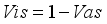
The mediating variables in this paper are specialization (vis) and supplier diversification (sup).
(1) Specialization. Following the approach of Fan Ziyang and Peng Fei (2017) , the reverse indicator of vertical integration of enterprises is used to measure specialization, denoted as . Drawing on Fan Ziyang's method, the modified value-added method is used to measure vertical integration of enterprises and is recorded as . Where Value Added denotes firm value added, Operating Revenue denotes main business revenue, Net Profit denotes net income, Net Assets denotes total net assets, and Average Return on Net Assets denotes the average ROA of the firm’s industry. The calculation formula is as follows:

(2)
Supplier and customer diversification. Following Bernard (2010) [6], this paper uses the proportion of the purchase and sales amount of suppliers and customers in the supply chain to the annual total purchase and sales amount to measure the connection between enterprises and their upstream and downstream suppliers and customers. If the proportion of the purchase and sales amount of suppliers and customers is larger, the concentration of suppliers and customers is higher, and the degree of diversification and dispersion of enterprises with suppliers and customers is lower.
Inventory management efficiency. The inventory turnover rate of enterprises is used to measure inventory management efficiency. If, the higher the inventory turnover rate of the enterprise, the higher the inventory management efficiency of the enterprise.
(iv). Control Variables
Following the existing literature, this study controls for a set of firm-level characteristics. Firm size (employ) is measured by the number of employees. Firm age (age) is calculated as the difference between the current year and the firm’s year of establishment plus one. Ownership concentration (shr10) is measured by the sum of shareholdings of the top ten tradable shareholders. Market concentration (HHI_A) is proxied by the Herfindahl–Hirschman Index, calculated as the ratio of a firm’s main business revenue to total main business revenue within the industry. Short-term leverage (sl) is measured as current liabilities divided by total assets. Tobin’s Q (tobin) is defined as the ratio of the firm’s market value to the replacement cost of its assets. The proportion of intangible assets (itang) is measured as net intangible assets divided by total assets. The market-to-book ratio (mbratio) is calculated as the firm’s book value divided by its market value. Return on assets (roa) is measured as total profit divided by total assets. Inventory turnover (cir) is measured as total sales divided by average inventory cost.
2.4. Data Sources and Processing
The original data of listed companies in this paper are from the CSMAR database of Guotai An, and the logistics cost data are from the WIND database. The stock codes and years of listed companies were matched across different databases, and finally, the panel data of Chinese A-share listed companies from 2011 to 2023 were obtained. Considering that outliers in enterprise data may affect the estimation results, the following treatments were made to the enterprise data in this paper: enterprises that were subject to special treatment such as ST or *ST during the observation period were excluded, resulting in 19,775 observations. Additionally, all enterprise data were winsorized at the 1% and 99% levels. Unless otherwise specified, the units of the variables are consistent with the original data units in the database. The descriptive statistics of the variables are presented in Table 1.
Table 1. Descriptive statistics of variables.

VarName

Obs

Mean

SD

Min

Max

Cost

19775

15.13

4.354

0.00

20.70

AI

41588

0.79

1.126

0.00

4.33

Age

41585

9.87

8.129

-1.00

33.00

Employ

41581

0.51

1.068

0.01

7.73

Shr10

41587

0.59

0.155

0.23

0.91

HHI_A

39733

0.20

0.173

0.04

0.93

Sl

40967

0.33

0.177

0.03

0.82

Tobin

40430

2.01

1.300

0.84

8.56

Itang

41587

0.04

0.049

0.00

0.32

MBratio

40430

0.63

0.251

0.12

1.19

ROA

41587

0.03

0.067

-0.28

0.21

Turn

40239

0.15

0.576

0.00

4.91

3. Results
3.1. Baseline Regression Results
Taking logistics cost as the dependent variable and the application of AI as the Key Explanatory Variable, the regression analysis was conducted. The estimation results are shown in Table 2. In column (1) of Table 2, without including control variables, the application of AI significantly reduced the level of enterprise logistics cost and passed the 1% significance level test. In column (2), after including control variables related to enterprise characteristics, the estimated result of the application of AI on logistics cost control remained significantly negative and passed the 5% significance level test. An increase of 1 unit in the application level of AI led to an average decrease of 0.118 units in the logistics cost level. In column (3), after further including control variables related to enterprise finance on the basis of column (2), the application of AI significantly reduced the enterprise logistics cost and passed the 5% significance level test. In column (4), after adding industry-year fixed effects on the basis of column (3), the estimated result of the application of AI on logistics cost showed that the estimated coefficient remained negative and passed the 5% significance level test. The above results indicate that the control of enterprise logistics cost is affected by the level of application of AI, that is, the application of AI can significantly reduce the logistics cost of enterprises.
Table 2. Baseline Regression Results.

(1)

(2)

(3)

(4)

AI

-0.117**

-0.118**

-0.121**

-0.101**

(0.046)

(0.047)

(0.048)

(0.045)

Age

-0.257***

-0.253***

0.000

(0.011)

(0.011)

(.)

Employ

0.314***

0.242**

0.248***

(0.102)

(0.103)

(0.084)

Shr10

0.940**

0.738*

0.754**

(0.376)

(0.394)

(0.347)

HHI_A_

-0.363

-0.171

0.189

(0.357)

(0.361)

(0.375)

Sl

0.734**

0.701***

(0.313)

(0.269)

Tobin

-0.079*

-0.075*

(0.044)

(0.039)

Itang

2.190**

2.162**

(1.072)

(0.978)

MBratio

0.520*

0.609**

(0.265)

(0.247)

ROA

0.303

0.291

(0.521)

(0.463)

Turn

-0.597**

-0.501***

(0.261)

(0.166)

Firm FE

Yes

Yes

Yes

Yes

Year FE

Yes

Yes

Yes

Yes

firn-year FE

No

No

No

Yes

_cons

16.307***

16.844***

16.441***

14.204***

(0.043)

(0.278)

(0.381)

(0.318)

N

19775

19468

18831

18512

F

351.316

277.824

200.311

7.868

r2_a

0.567

0.567

0.565

0.526

Note: ***, **, and * indicate significance at the 1%, 5%, and 10% levels, respectively. The values in parentheses are cluster-robust standard errors.
3.2. Robustness Tests
3.2.1. Changing the Dependent Variable
Using the proportion of logistics costs to operating costs as the dependent variable to replace the logistics costs in the previous analysis, the regression results are shown in column (1) of Table 3. The application of AI (artificial intelligence) significantly reduces the proportion of logistics costs to operating costs, and the result passes the 1% significance level test. This indicates that the application of AI plays a crucial role in enhancing logistics cost management and optimizing logistics management processes for enterprises, thus confirming the robustness of the above results.
3.2.2. Changing the Independent Variable
Using the frequency of expanded AI keywords to reconstruct the level of AI application in listed companies as the core independent variable for estimation, the results are shown in column (2) of Table 3. The application of AI significantly reduces logistics costs, and the result passes the 1% significance level test.
3.2.3. Excluding the Impact of Special Years
Considering that after the outbreak of the "COVID-19" pandemic in 2020, the proportion of enterprises working from home and online increased sharply, and many enterprises conducted a large number of online business operations, which to some extent reduced their logistics costs. After excluding the sample data of 2020, the regression was conducted again, and the estimation results are shown in column (3) of Table 3. The estimated coefficient of the independent variable (AI) is less than 0 and passes the 5% significance level test, proving that the effect of AI application in reducing the logistics costs of enterprises still exists after excluding the impact of the "COVID-19" pandemic.
3.2.4. Control the Time-varying Factors in the Region
Enterprises form certain location selection preferences due to considerations such as market size, business environment, supply chain costs, target customer demand, and peer effects, leading to the situation where enterprises move in and out of certain locations. At the same time, the logistics costs of enterprises are often closely related to changes in their office locations, which to some extent affects their logistics costs. Ye et al. (2019)’s research indicates that enterprise location decisions are jointly influenced by location factors and enterprise heterogeneity. Therefore, this paper further controls for provincial and industry fixed effects and conducts the regression again. The estimation results are shown in column (4) of Table 3. The estimated coefficient of the independent variable (AI) is less than 0 and passes the 5% significance level test, proving that the effect of AI application in reducing the logistics costs of enterprises still exists after considering the situation of enterprise migration and industry changes.
Table 3. Robustness Check Results.

(1)

(2)

(3)

(4)

Alternative Dependent Variable

Alternative Key Explanatory Variable

Excluding the Impact of COVID-19

Controlling for Time-Varying Regional Factors

AI

-0.101***

-0.121***

-0.124**

-0.121**

(0.033)

(0.034)

(0.058)

(0.058)

Age

-0.146***

-0.156***

-0.902***

-0.903***

(0.012)

(0.012)

(0.023)

(0.023)

Employ

-0.060

-0.061

0.227*

0.228*

(0.056)

(0.056)

(0.125)

(0.125)

Shr10

0.705**

0.705**

0.709

0.636

(0.303)

(0.303)

(0.484)

(0.485)

HHI_A_

2.336***

2.336***

-0.219

-0.032

(0.903)

(0.903)

(0.445)

(0.447)

Sl

-1.584***

-1.584***

1.041***

1.024***

(0.397)

(0.397)

(0.367)

(0.369)

Tobin

0.002

0.002

-0.074

-0.068

(0.027)

(0.027)

(0.050)

(0.050)

Itang

2.751***

2.751***

3.308***

3.399***

(0.672)

(0.672)

(1.260)

(1.264)

MBratio

0.713***

0.713***

0.309

0.315

(0.217)

(0.217)

(0.310)

(0.310)

ROA

-0.129

-0.129

0.296

0.248

(0.343)

(0.343)

(0.596)

(0.596)

Turn

-0.380***

-0.380***

-0.716**

-0.718**

(0.073)

(0.073)

(0.288)

(0.288)

_cons

1.930***

1.930***

19.855***

20.892***

(0.344)

(0.344)

(0.466)

(0.951)

Firm FE

Yes

Yes

Yes

Yes

Year FE

Yes

Yes

Yes

Yes

N

18153

18153

16129

16127

F

100.909

100.909

139.078

.

r2_a

0.591

0.591

0.576

0.577

Note: ***, **, and * indicate significance at the 1%, 5%, and 10% levels, respectively. The values in parentheses are cluster-robust standard errors.
3.3. Endogeneity Analysis
Given that enterprises with lower logistics costs may also have a higher level of utilization of AI there may be an endogeneity problem caused by bidirectional causality. This paper uses the two-stage least squares method (2SLS) to conduct an endogeneity test. For the selection of instrumental variables, this paper uses the mean value of AI application levels of enterprises in the same industry and the same city, excluding the enterprise itself (iv1), as the instrumental variable for the enterprise's AI application level. The reasons for including it as an instrumental variable are: first, the enterprise's AI application is related to the average level of AI application in the same industry and the same city, meeting the requirement of relevance. Second, the industry average level of AI application has a relatively weak correlation with the explained variable and has strong exogeneity, thus making it reasonable to use it as an instrumental variable for AI application. In addition, following the approach of Li Yuhua et al. (2024) , this paper also uses the initial share composition of the analysis unit and the overall growth rate as instrumental variables (iv2).
Table 4 presents the estimation results based on the two-stage least squares method. The F-values in the first stage are all greater than 10, indicating that there is no problem of weak instrumental variables; the p-values of the Kleibergen-Paap rkLM statistic test are all less than 0.01, suggesting that at the 5% significance level, the two instrumental variables do not have an under-identification problem. The regression results of the second stage indicate that the application of AI has, on the whole, reduced the logistics costs of enterprises, and this result has passed the 1% significance level test. This finding is consistent with the results of the benchmark regression analysis, confirming the validity of the conclusion.
Table 4. Results of Instrumental Variable Regressions.

(1)

(2)

(3)

(4)

First Stage

Second Stage

First Stage

Second Stage

iv1

0.996***

(0.001)

iv2

0.136***

(0.001)

AI

-0.381***

-0.368**

(0.039)

(0.165)

employ

0.822***

0.771***

(0.027)

(0.035)

shr10

0.418**

0.075

(0.170)

(0.256)

HHI_A_

-0.455***

-0.061

(0.172)

(0.261)

sl

1.954***

2.026***

(0.155)

(0.238)

itang

0.066

0.513

(0.544)

(0.966)

roa

3.047***

2.583***

(0.406)

(0.619)

turn

-0.772***

-0.226

(0.126)

(0.333)

_cons

15.069***

15.365***

(0.154)

(0.249)

Firm FE

Yes

Yes

Yes

Yes

Year FE

Yes

Yes

Yes

Yes

K-P LM test(p-value)

768.145 (0.000)

4.8 (0.029)

C-D F test

3497.388

8.309

N

19440

9795

r2_a

0.401

0.430

Note: ***, **, and * indicate significance at the 1%, 5%, and 10% levels, respectively. The values in parentheses are cluster-robust standard errors.
3.4. Heterogeneity Analysis
The previous section has confirmed that the application of AI can significantly reduce the logistics costs of enterprises. However, does this impact relationship vary under the influence of other factors? This section will conduct a heterogeneity analysis.
3.4.1. From the Perspective of Different Levels of Digital Infrastructure
Columns (1) and (2) of Table 5 present the estimation results based on different levels of digital infrastructure. The results show that the application of AI can more significantly reduce the logistics costs of the sample group in regions with higher levels of digital infrastructure construction. For every one-unit increase in the application level of AI, the logistics costs of the sample group in regions with high digital infrastructure construction decrease by an average of 0.189 units, and this result passes the 1% significance level test. However, the control effect of AI application on the logistics costs of enterprises in the sample group with low digital infrastructure construction does not pass the 5% significance level test. The reason for this result may be that digital infrastructure construction is an important foundation and guarantee for the application of AI. In regions with more complete digital infrastructure, the application level of AI is generally higher, and the control effect on the logistics costs of enterprises is more obvious.
3.4.2. From the Perspective of Different Geographic Locations
Columns (3) and (4) of Table 5 present the estimation results based on different geographic locations. From the perspective of the impact of AI application on the logistics costs of enterprises in different regions, the logistics costs of enterprises on the east side of the Hu-Huang Line are significantly affected by the application of AI. For every one-unit increase in the application level of AI, the logistics costs of enterprises on the east side of the Hu-Huang Line decrease by an average of 0.132 units, while the impact of AI application on the logistics costs of enterprises on the west side of the Hu-Huang Line is not significant. This result indicates that there are significant regional characteristics in the impact of AI application on enterprise logistics costs. The east side of the Hu-Huang Line has a more developed economy and a higher degree of marketization, and is more receptive to and applies AI more rapidly, which makes AI more likely to have a significant impact on the control of enterprise logistics costs in the eastern region. In contrast, the digital infrastructure in the central and western regions is relatively weak, and the transportation costs of enterprises are relatively high, making it difficult to effectively demonstrate the role of AI in the short term.
3.4.3. From the Perspective of Different Industry Levels
Columns (5) and (6) of Table 5 present the estimation results based on different industry types. From the perspective of different industry types, the application of AI can more significantly reduce the logistics costs of technology-intensive industries. For every one-unit increase in the application level of AI, the logistics costs of technology-intensive industries decrease by an average of 0.127 units, and this result passes the 5% significance level test. However, the impact of AI application on the cost control of labor-intensive industries does not pass the 5% significance level test. This result indicates that the impact of AI application on the control of enterprise logistics costs has significant industry characteristics. The more dependent an industry is on technology, the more likely it is to be affected by AI and other digital technologies, thereby significantly reducing the logistics costs of enterprises.
Table 5. Results of Heterogeneity Analysis.

(1)

(2)

(3)

(4)

(5)

(6)

Low digital infrastructure

High digital infrastructure

East of the Hu Line

West of the Hu Line

Labor-intensive Firms

Technology-Intensive Firms

AI

-0.044

-0.189***

-0.132**

-0.209

0.013

-0.127**

(0.069)

(0.068)

(0.052)

(0.252)

(0.126)

(0.060)

Employ

0.228

0.286**

0.258**

-0.322

0.023

0.322**

(0.147)

(0.145)

(0.110)

(0.366)

(0.221)

(0.153)

Shr10

0.956*

0.557

0.608

1.231

0.239

0.023

(0.526)

(0.577)

(0.434)

(1.507)

(0.955)

(0.507)

HHI_A_

0.303

-0.748

0.011

-1.146

-1.124

0.318

(0.491)

(0.527)

(0.397)

(1.286)

(0.756)

(0.488)

Sl

0.991**

0.182

0.573*

2.038

0.394

0.851**

(0.401)

(0.494)

(0.347)

(1.454)

(0.791)

(0.384)

Tobin

-0.144***

-0.118**

-0.095**

0.271

-0.331***

-0.040

(0.043)

(0.055)

(0.048)

(0.189)

(0.117)

(0.050)

Itang

3.650**

-0.062

3.114***

-3.317

3.389*

2.655*

(1.473)

(1.527)

(1.129)

(3.528)

(2.013)

(1.544)

ROA

0.456

-0.111

0.582

-1.282

-1.346

0.574

(0.661)

(0.837)

(0.567)

(2.744)

(1.157)

(0.627)

Turn

-0.794***

-0.299

-0.608**

-0.516

-0.800*

-0.781**

(0.282)

(0.455)

(0.266)

(0.411)

(0.415)

(0.311)

Age

-0.258***

-0.251***

(0.015)

(0.016)

MBratio

0.533*

2.474*

-0.546

0.545*

(0.288)

(1.382)

(0.619)

(0.328)

_cons

17.068***

16.805***

15.241***

13.771***

17.259***

15.369***

(0.434)

(0.503)

(0.396)

(1.611)

(0.959)

(0.450)

Firm FE

Yes

Yes

Yes

Yes

Yes

Yes

Year FE

Yes

Yes

Yes

Yes

Yes

Yes

N

9819

9012

16031

643

3779

13635

F

102.955

110.886

168.837

8.143

22.793

147.130

r2_a

0.544

0.584

0.564

0.534

0.514

0.586

Note: ***, **, and * indicate significance at the 1%, 5%, and 10% levels, respectively. The values in parentheses are cluster-robust standard errors.
3.5. Analysis of the Impact Mechanism
The previous section has empirically demonstrated that the application of AI can reduce the logistics costs of enterprises. To comprehensively examine the intermediary channels through which the application of AI affects logistics costs, this section will, in line with the theoretical analysis, adopt the approach of mediation analysis to empirically test the internal mechanism by which the application of AI reduces the logistics costs of enterprises. Following Jiang Ting (2022) , a two-step mediation effect method is used to establish the mediation effect test model as follows:
(3)
(4)
(5)
Among them, Model (3) represents the impact of AI applications on the degree of specialization (vis), Model (4) represents the impact of AI applications on the diversification of the enterprise supply chain (sup), and Model (5) represents the impact of AI applications on the inventory turnover rate (turn) of enterprises. The explanations of other variables remain consistent with the previous text.
3.5.1. Specialization
Columns (1) and (2) of Table 6 present the magnitude of the impact of AI applications on the degree of specialization of enterprises. It can be seen that the estimated coefficient of AI is greater than 0 and has passed the 1% significance level test, indicating that the application of AI in enterprises helps to enhance the degree of specialization, thereby reducing the logistics costs of enterprises. This indicates that the application of AI technology can optimize the business structure and internal processes of enterprises, enabling more explicit functional division and process coordination in production and operation. Hypothesis H2a is thus verified.
3.5.2. Supplier and Customer Diversification
Columns (3) and (4) of Table 6 respectively present the impact of AI applications on the concentration of suppliers and customers. The results in Column (3) of Table 6 show that the estimated coefficient of AI is significantly negative, indicating that the application of AI reduces the concentration of suppliers and expands other procurement and sales channels. Similarly, after adding control variables, the results in Column (4) of Table 6 show that the estimated coefficient of AI is significantly negative, indicating that the application of AI reduces the concentration of customers and enhances the diversification level of customers. These results reflect that the application of AI reduces the concentration of suppliers and customers of enterprises, and also indicate that the application of AI has a significant promoting effect on the diversification expansion of upstream and downstream suppliers and customers of enterprises, thereby reducing the logistics costs of enterprises. This result suggests that the application of AI improves information transparency and supply chain visibility, helping enterprises to grasp real-time raw material prices, supply and demand changes, and delivery risks, thereby expanding supply sources and reducing dependence on a single supplier. Hypothesis H2b is thus verified.
3.5.3. Inventory Turnover Rate
Columns (5) and (6) of Table 6 respectively present the impact of AI applications on the inventory turnover rate of enterprises. The results in Column (5) of Table 6 show that the estimated coefficient of AI is significantly positive and has passed the 1% significance level test, indicating that the application of AI significantly improves the inventory management level of enterprises and increases the inventory turnover rate. Similarly, after adding control variables, the results in Column (6) of Table 6 show that the estimated coefficient of AI is significantly positive and has passed the 1% significance level test, indicating that the application of AI significantly improves the inventory management level of enterprises. Specifically, AI improves the rationality and turnover efficiency of inventory structure through intelligent prediction and dynamic optimization mechanisms. Hypothesis H2c is thus verified.
Table 6. Results of Mediation Effect Analysis.

(1)

(2)

(3)

(4)

(5)

(6)

Specialized division of labor

Supplier concentration

Inventory turnover

AI

0.248***

0.140**

-0.639***

-0.481***

0.010***

0.012***

(0.068)

(0.071)

(0.114)

(0.115)

(0.004)

(0.004)

Tl

2.073***

-4.157***

0.010

(0.516)

(0.831)

(0.023)

Tang

-3.144***

-4.201***

-2.351***

(0.657)

(1.037)

(0.412)

Itang

0.052***

-0.168***

0.001

(0.020)

(0.033)

(0.001)

Tagr

-0.287**

0.086

-0.004**

(0.113)

(0.106)

(0.002)

Tob

0.178

-2.875***

-0.012

(0.143)

(0.279)

(0.007)

ROE

0.014

0.050

0.001

(0.050)

(0.045)

(0.001)

HHI_A

-0.244

2.562*

0.161***

(0.787)

(1.456)

(0.060)

Cycle

-3.396***

0.905

-0.180***

(0.489)

(0.695)

(0.017)

_cons

0.194***

1.110***

37.832***

41.450***

0.143***

0.168***

(0.062)

(0.376)

(0.462)

(0.686)

(0.003)

(0.015)

Firm FE

Yes

Yes

Yes

Yes

Yes

Yes

Year FE

Yes

Yes

Yes

Yes

Yes

Yes

N

24744

24234

37096

35333

40239

38790

F

13.148

13.351

17.803

22.150

6.955

16.365

r2_a

0.036

0.053

0.718

0.729

0.667

0.680

Note: ***, **, and * indicate significance at the 1%, 5%, and 10% levels, respectively. The values in parentheses are cluster-robust standard errors.
4. Main Research Conclusions
This paper takes Chinese A-share listed companies from 2011 to 2023 as samples, constructs an AI application index based on the text mining of enterprise annual reports, and uses the two-way fixed effect model, instrumental variable method, and mediating effect model to systematically study the impact of AI application on enterprise logistics cost control. The main conclusions are as follows:
First, AI significantly reduces enterprise logistics costs. Empirical results show that for every one-unit increase in the level of enterprise AI application, the average logistics cost decreases by approximately 0.1 units, and the result remains robust after controlling for enterprise characteristics, financial characteristics, and industry-year fixed effects. This indicates that AI has a significant cost-reducing effect in optimizing supply chain processes, reducing information asymmetry, and improving operational efficiency.
Second, the cost-reducing effect of AI has significant heterogeneity. From the perspective of regional differences, the effect of AI on the logistics cost control of enterprises in the eastern region is significantly higher than that in the central and western regions, indicating that digital infrastructure and marketization environment are important supporting conditions for the cost-reducing effect of AI; from the perspective of industry characteristics, AI has a stronger cost-reducing effect in technology-intensive industries, reflecting the complementarity between AI and technological resources.
Third, AI achieves indirect cost reduction through "specialized division of labor - supply chain diversification - inventory management". Mechanism tests show that the application of AI significantly improves the level of enterprise specialized division of labor, promotes the diversified layout of suppliers and customers, and increases inventory turnover rate. The three together constitute an important mediating path for AI to reduce enterprise logistics costs. This indicates that the economic effect of AI is not only due to the improvement of technical efficiency, but also lies in the systematic optimization of organizational structure and supply chain collaboration.
Although this paper empirically validates the cost control effect of AI application, there are still several limitations: First, due to data availability constraints, the AI application indicators are mainly based on text word frequency and fail to comprehensively reflect the intensity of AI investment and the type of technology. Second, the sample is limited to listed companies, and future research can be further expanded to small and medium-sized enterprises or multinational companies.
Future research can be deepened in three aspects: First, combining machine learning algorithms to optimize the measurement method of AI; second, introducing multi-dimensional data (such as enterprise patents, investment announcements, AI job recruitment information) to enhance explanatory power; third, exploring the comprehensive performance effect of AI in the context of the digital economy, including productivity, innovation output, and sustainable development performance, etc.
5. Management Implications
Based on the findings of this study, several implications can be drawn for enterprise management. From a value-neutral perspective, these implications represent potential pathways through which AI may contribute to logistics cost control, and it remains at the discretion of company managers to assess their applicability based on specific organizational contexts and strategic objectives.
First, the deep integration of AI and the supply chain may facilitate cost reduction and efficiency improvement throughout the entire chain. Enterprises could consider expanding the application of AI technology from the single aspects of warehousing and transportation to the entire process of supply chain planning, procurement collaboration, and customer service. By leveraging data-driven prediction and decision support systems, they may achieve an integrated closed loop of "intelligent logistics - intelligent procurement - intelligent sales".
Second, strengthening the construction of digital infrastructure may enhance the efficiency of AI applications. Research shows that regions with a high level of digital infrastructure have more significant cost reduction effects from AI. Therefore, enterprises might consider taking advantage of the digital policy dividends from local governments, building cloud computing, Internet of Things, and data platforms, and enhancing the computing power and data integration capabilities of AI systems to achieve large-scale cost optimization.
Third, optimizing professional division of labor and supply chain structure may help build an intelligent collaborative network. AI has improved the efficiency of division of labor and collaboration through data mining and algorithm optimization. Enterprises could consider reconstructing the supply chain network structure, reducing dependence on a single supplier or customer, and establishing a diversified, intelligent, and reconfigurable collaborative system to enhance risk resistance and potentially further reduce costs.
Fourth, promoting intelligent inventory and lean management may improve the efficiency of capital utilization. The application of AI in inventory prediction, dynamic replenishment, and demand recognition can effectively reduce inventory overstock and capital occupation. Enterprises might consider building an intelligent inventory management system, monitoring inventory status and sales forecasts in real time, and continuously optimizing inventory turnover rate.
Ultimately, whether to implement these strategies remains a managerial decision that should be made after careful consideration of each enterprise's unique circumstances, resources, and strategic priorities.
Abbreviations

MD&A

Management's Discussion & Analysis

Author Contributions
Cheng Xiaoyuan: Conceptualization, Data curation, Formal analysis, Investigation, Methodology, Project administration, Software, Validation, Visualization, Writing – original draft, Writing – review & editing
Data Availability Statement
The firm-level data of Chinese listed companies are obtained from the China Stock Market and Accounting Research (CSMAR) database, while logistics cost data are sourced from the WIND database. Firm identifiers and years are matched across different databases to construct a panel dataset of Chinese A-share listed firms covering the period from 2011 to 2023. Considering that extreme values in firm-level data may bias the estimation results, we perform several data-cleaning procedures. Specifically, firms that were designated as ST or *ST during the sample period are excluded, yielding 19775 firm-year observations. In addition, all continuous variables are winsorized at the 1st and 99th percentiles. Unless otherwise stated, all variables are expressed in their original units as reported in the databases. Descriptive statistics of the variables are reported in Table 1.
The data that support the findings of this study can be found at: https://data.csmar.com/ and https://www.wind.com.cn/mobile/EDB/zh.html (a publicly available repository url)
Conflicts of Interest
The author declares no conflicts of interest.
References
[1] Ali, W, Khan, A. Z, & Asghar, M. (2024). Influence of artificial intelligence on cost efficiency and organizational performance with the mediating role of cost management control systems in transformational organizations. Journal of Management and Business Studies, 12(2), 55-72.
[2] Al-Khatib, A. W. (2024). How can generative artificial intelligence improve digital supply chain performance? Technological Forecasting and Social Change, 204, 123015.
[3] Bag, S, Wood, L. C, Xu, L, & Dhamija, P. (2020). Big data analytics as an operational excellence approach to enhance sustainable supply chain performance. Resources, Conservation and Recycling, 153, 104559.
[4] Belhadi, A, Kamble, S. S, Jabbour, C. J. C, Gunasekaran, A, Ndubisi, N. O, & Venkatesh, M. (2021). Artificial intelligence-driven innovation for enhancing supply chain resilience and performance under the COVID-19 pandemic. International Journal of Production Economics, 232, 107921.
[5] Belhadi, A, et al. (2022). Artificial intelligence and digital transformation for sustainable logistics: A review and future research agenda. Technological Forecasting and Social Change, 183, 121913.
[6] Bernard, A. B, Redding, S. J, & Schott, P. K. (2010). Multi-product firms and product switching. American Economic Review, 100(1), 70-97.
[7] Cannas, V. G, Tjahjono, B, & Sgarbossa, F. (2023). Artificial intelligence in supply chain and operations management: An empirical study. International Journal of Production Research, 62(9), 3333-3360.
[8] Coase, R. H. (1937). The nature of the firm. Economica, 4(16), 386-405.
[9] Culot, G, Paiola, M, Nassimbeni, G, & Rinallo, D. (2024). Artificial intelligence in supply chain management: An empirical systematic literature review. Computers in Industry, 162, 104132.
[10] Daios, A, Georgiou, A. C, & Koutsoumpis, D. (2025). AI applications in supply chain management: A survey. Applied Sciences, 15(5), 2775.
[11] Dubey, R, Gunasekaran, A, Childe, S. J, Papadopoulos, T, Luo, Z, Wamba, S. F, & Roubaud, D. (2020). Big data analytics and artificial intelligence pathway to operational performance. International Journal of Production Economics, 226, 107599.
[12] Fan, Z. Y, & Peng, F. (2017). The Tax Reduction Effect and Division of Labor Effect of the "Business Tax to VAT Reform": From the Perspective of Industrial Interconnection. Economic Research Journal, 52(2), 82-95.
[13] Gunasekaran, A, Papadopoulos, T, Dubey, R, Wamba, S. F, Childe, S. J, Hazen, B, & Akter, S. (2017). Big data and predictive analytics for supply chain and organizational performance. Journal of Business Research, 70, 308-317.
[14] Hasija, S, & Esper, T. L. (2022). In artificial intelligence (AI) we trust: Fragility factors in AI adoption and implementation. Journal of Business Logistics, 43(3), 388-412.
[15] Hoque, H. (2024). Artificial intelligence investment and firm growth strategy. Technological Forecasting and Social Change, 203, 123005.
[16] Ivanov, D, & Dolgui, A. (2021). A digital supply chain twin for managing the disruption risks and resilience in the era of Industry 4.0. Production Planning & Control, 32(9), 775-788.
[17] Jiang, T. (2022). Mediation Effects and Moderation Effects in Empirical Research on Causal Inference. China Industrial Economics, (5), 100-120.
[18] Li, L, Zhang, X, & Wang, Y. (2024). Generative AI usage and sustainable supply chain performance. Journal of Cleaner Production, 456, 142015.
[19] Li, Y. H, Lin, Y. X, & Li, D. D. (2024). How Does the Application of Artificial Intelligence Technology Affect Enterprise Innovation. China Industrial Economics, (10), 155-173.
[20] Pournader, M, Ghaderi, H, Hassanzadegan, A, & Fahimnia, B. (2021). Artificial intelligence applications in supply chain management. International Journal of Production Economics, 241, 108250.
[21] Richey, R. G, Daugherty, P. J, Craighead, C. W, Weaver, M, Grawe, S. J, & Koufteros, X. (2023). Artificial intelligence in logistics and supply chain management: A primer and roadmap for research. Journal of Business Logistics, 44(4), 532-549.
[22] Samuels, A, Raut, R. D, & Gardas, B. B. (2024). Examining the integration of artificial intelligence in supply chains: From Industry 4.0 to Industry 6.0. Frontiers in Artificial Intelligence, 7, 1477044.
[23] Sharma, P, Gupta, D, & Wamba, S. F. (2024). Enhancing supply chain: Exploring and exploiting AI. Information Systems Frontiers. Advance online publication.
[24] Siedschlag, I, & Duran Vanegas, J. D. (2024). Does artificial intelligence enhance firm productivity? Economic and Social Research Institute Working Paper Series, 753, 1-35.
[25] Smith, A. (1776). An inquiry into the nature and causes of the wealth of nations. London: W. Strahan and T. Cadell.
[26] Solaimani, R, Mohammed, S, Rashed, F, & Elkelish, W. (2020). The impact of artificial intelligence on corporate control. Corporate Ownership & Control, 17(3), 45-60.
[27] Stigler, G. J. (1951). The division of labor is limited by the extent of the market. Journal of Political Economy, 59(3), 185-193.
[28] Tanim, S. H. (2025). AI-driven strategic decision.
Cite This Article
  • APA Style

    Cheng, X. (2026). Artificial Intelligence Applications and Logistics Cost Control in Enterprises: Evidence from Chinese Listed Companies. American Journal of Management Science and Engineering, 11(1), 35-51. https://doi.org/10.11648/j.ajmse.20261101.14

    Copy | Download

    ACS Style

    Cheng, X. Artificial Intelligence Applications and Logistics Cost Control in Enterprises: Evidence from Chinese Listed Companies. Am. J. Manag. Sci. Eng. 2026, 11(1), 35-51. doi: 10.11648/j.ajmse.20261101.14

    Copy | Download

    AMA Style

    Cheng X. Artificial Intelligence Applications and Logistics Cost Control in Enterprises: Evidence from Chinese Listed Companies. Am J Manag Sci Eng. 2026;11(1):35-51. doi: 10.11648/j.ajmse.20261101.14

    Copy | Download

  • @article{10.11648/j.ajmse.20261101.14,
      author = {Xiaoyuan Cheng},
      title = {Artificial Intelligence Applications and Logistics Cost Control in Enterprises: Evidence from Chinese Listed Companies},
      journal = {American Journal of Management Science and Engineering},
      volume = {11},
      number = {1},
      pages = {35-51},
      doi = {10.11648/j.ajmse.20261101.14},
      url = {https://doi.org/10.11648/j.ajmse.20261101.14},
      eprint = {https://article.sciencepublishinggroup.com/pdf/10.11648.j.ajmse.20261101.14},
      abstract = {Against the backdrop of the deep integration between the digital economy and intelligent manufacturing, artificial intelligence (AI) technology has emerged as a critical driver for enterprises to reduce costs, improve efficiency, and optimize organizational structures. Using a sample of Chinese A-share listed companies during 2011–2023, this study constructs a novel text-mined AI application index through systematic analysis of annual report disclosures. Employing a two-way fixed-effects model (controlling for firm and year fixed effects), we empirically examine the impact mechanism of AI adoption on enterprises’ warehousing and logistics cost control. Our key findings are as follows: (1) AI application significantly reduces corporate logistics costs, and this result remains robust after a series of robustness tests, including alternative variable measurements, exclusion of special years (e.g, 2020 amid the COVID-19 pandemic), and instrumental variable estimation to address potential endogeneity. (2) Mediation analysis reveals three underlying channels: AI technology reduces logistics costs by enhancing the level of specialized division of labor, promoting supply chain diversification, and optimizing inventory management through real-time demand forecasting and predictive analytics. (3) Heterogeneity analysis indicates that the cost-reducing effect of AI application is more pronounced for firms located in eastern China and those operating in technology-intensive industries. This study provides empirical evidence for understanding the micro-level mechanism through which AI influences enterprise operations and cost control, and offers important implications for policymakers formulating digital economy policies and for enterprises implementing intelligent supply chain management. It also contributes to the literatures on operations management and corporate digital transformation by uncovering empirically grounded pathways linking AI deployment to logistics cost performance.},
     year = {2026}
    }
    

    Copy | Download

  • TY  - JOUR
    T1  - Artificial Intelligence Applications and Logistics Cost Control in Enterprises: Evidence from Chinese Listed Companies
    AU  - Xiaoyuan Cheng
    Y1  - 2026/02/27
    PY  - 2026
    N1  - https://doi.org/10.11648/j.ajmse.20261101.14
    DO  - 10.11648/j.ajmse.20261101.14
    T2  - American Journal of Management Science and Engineering
    JF  - American Journal of Management Science and Engineering
    JO  - American Journal of Management Science and Engineering
    SP  - 35
    EP  - 51
    PB  - Science Publishing Group
    SN  - 2575-1379
    UR  - https://doi.org/10.11648/j.ajmse.20261101.14
    AB  - Against the backdrop of the deep integration between the digital economy and intelligent manufacturing, artificial intelligence (AI) technology has emerged as a critical driver for enterprises to reduce costs, improve efficiency, and optimize organizational structures. Using a sample of Chinese A-share listed companies during 2011–2023, this study constructs a novel text-mined AI application index through systematic analysis of annual report disclosures. Employing a two-way fixed-effects model (controlling for firm and year fixed effects), we empirically examine the impact mechanism of AI adoption on enterprises’ warehousing and logistics cost control. Our key findings are as follows: (1) AI application significantly reduces corporate logistics costs, and this result remains robust after a series of robustness tests, including alternative variable measurements, exclusion of special years (e.g, 2020 amid the COVID-19 pandemic), and instrumental variable estimation to address potential endogeneity. (2) Mediation analysis reveals three underlying channels: AI technology reduces logistics costs by enhancing the level of specialized division of labor, promoting supply chain diversification, and optimizing inventory management through real-time demand forecasting and predictive analytics. (3) Heterogeneity analysis indicates that the cost-reducing effect of AI application is more pronounced for firms located in eastern China and those operating in technology-intensive industries. This study provides empirical evidence for understanding the micro-level mechanism through which AI influences enterprise operations and cost control, and offers important implications for policymakers formulating digital economy policies and for enterprises implementing intelligent supply chain management. It also contributes to the literatures on operations management and corporate digital transformation by uncovering empirically grounded pathways linking AI deployment to logistics cost performance.
    VL  - 11
    IS  - 1
    ER  - 

    Copy | Download

Author Information
  • SWUFE-UD Institute of Data Science, Logistics Management (Business Analytics and Operations Management Concentration), Southwestern University of Finance and Economics, Chengdu, China

    Biography: Cheng Xiaoyuan is an outstanding undergraduate student majoring in Logistics Management (Business Analytics and Operations Management concentration) at Southwestern University of Finance and Economics. Recognized for her early research potential, Cheng has published several papers in the field of AI-driven supply chain optimization and has participated in multiple research projects focusing on enterprise operational efficiency and the cultivation of new quality productive forces. Her current research focuses on the application of artificial intelligence in logistics cost control, intelligent supply chain management, and data-driven operational decision-making. Her research findings, recognized for their theoretical and practical value, have been included in the China Management Case-Sharing Center and will be presented at up coming academic conferences.

    Research Fields: Artificial intelligence in logistics and supply chain, Logistics cost control and optimization, Data-driven operations management, Digital trans-formation in manufacturing, Supply chain resilience and diversification, Intelligent inventory management, Business analytics for decision mak-ing, Enterprise digitalization strategy, Text mining for economic research, Sustainable and green supply chains.