2. Literature Review
2.1. Major Greenhouse Gases Emitted from Ruminant Livestock
2.1.1. Methane
Methane is one of the three main greenhouse gases, together with CO
2 and nitrous oxide (N
2O). Its global warming potential is 25-fold than that of CO
2 | [24] | IPCC (2007). Climate Change (2007) The Physical Science Basis. Contribution of working Group I to the 4th Assessment Report of the Intergovernmental Panel on Climate Change [Solomon S., Qin D., Manning M., Chen Z., Marquis M., Averyt K. B., Tignor M., Miller H. L (Eds.). Cambridge University Press, Cambridge, United Kingdom and New York, NY, USA, Pp. 996. |
[24]
. Methane is a colorless, odorless, inflammable, and tasteless gas that is the primary component of natural gas
| [14] | Getabalew, M., Tewodros Alemneh, & Dawit Akeberegn. (2019). Methane production in ruminant animals: Implication for their impact on climate change. Concepts of Dairy & Veterinary Sciences, 2(4), 204–211.
https://doi.org/10.32474/CDVS.2019.02.000142 |
| [26] | Johnson, K. A., & Johnson, D. E. (1995). Methane emissions from cattle. Journal of Animal Science, 73(8), 2483–2492.
https://doi.org/10.2527/1995.7382483x |
[14, 26]
. Methane is present naturally in the atmosphere; CH
4 is lighter than air and has a specific gravity of 0.554. Methane gas has a density of 0.717m-3/kg, melting point of -187°C, and a boiling point of -161°C. This gas is only not soluble in water but is soluble in organic solvents. Naturally occurring CH
4 is mainly pro-duced by the process of methanogenesis. The reaction is: CO
2 + 4H
2 → CH
4 + 2H
2O
| [14] | Getabalew, M., Tewodros Alemneh, & Dawit Akeberegn. (2019). Methane production in ruminant animals: Implication for their impact on climate change. Concepts of Dairy & Veterinary Sciences, 2(4), 204–211.
https://doi.org/10.32474/CDVS.2019.02.000142 |
[14]
.
Enteric methane (CH
4) is a natural end product of microbial fermentation of organic matter (OM) in the rumen and to a small extent in the large intestine. Methane is produced predominantly in the rumen (87%) and to a small extent in large intestines gas
. Rumen CH
4 is primarily emitted from the animal by eructation.
Methanogenesis is a strictly anaerobic process that involves a consortium of microorganisms in the rumen (bacteria, proto-zoa, archaea and fungi), with the last step being carried out by methanogenic archaea. The main products of rumen fermentation are volatile fatty acids (VFA), carbon dioxide (CO
2), hydrogen (H
2) and ammonia. Acting as a source of CO
2, formate is also a precursor of enteric CH
4 and accounts for about 15–20% of CH
4 in the rumen
| [41] | Nedelkov, K., Angelova, T., Krastanov, J., & Mihaylova, M. (2024). Feeding strategies to reduce methane emissions: A review. Bulgarian Journal of Agricultural Science, 30(1), 28–36. |
[41]
. Even though H2 is one of the major end products of fermentation by protozoa, fungi and bacteria, it does not accumulate in the rumen. Other bacteria mainly the methanogens, which are present in the mixed microbial ecosystem, use it.
, established that CH
4 production can be calculated from the stoichiometry of the main VFA formed during fermentation i.e., acetate (C-2), propionate (C-3) and butyrate (C-4) as follows: CH
4=0.45C2-0.275C3+0.40C4. Thus, the molar per-centage of VFA influences the production of CH
4. Acetate and butyrate microbial gas, fermentation of feed components. The conversion of feed material to CH
4 in the rumen involves the integrated activities of different microbial species, with the final step carried out by methanogenic bacteria
| [34] | Mehdi, I., & Mehdi, I. (2025). MITIGATION STRATEGIES TO REDUCE METHANE EMISSION FROM LARGE RUMINANTS: SPECIFIC INTENTION TO DAIRY AND BEEF CATTLE Ibrahim Mehdi. 14(5), 884–906. |
[34]
. Methane is also produced under anaerobic condition by archaea mainly in storage conditions, using the OM present in animal excreta. Hence, the production of CH
4 from manure mainly occurs in slurry and liquid manure
.
2.1.2. Nitrous Oxide (N2O)
Nitrous oxide is produced from manure by nitrification, denitrification, leaching, volatilization, and runoff. Nitrification and denitrification are direct emissions. N
2O is 16 times more potent than CH
4 and 310 times more potent than CO
2 over a 100-year period
| [22] | Intergovernmental Panel on Climate Change. (IPCC, 1997). Greenhouse Gas Inventory Re‐ porting Instructions. Revised 1996 IPCC Guidelines for National Greenhouse Gas In‐ ventories; UNEP, WMO, OECD and IEA: Bracknell, UK. |
[22]
. N
2O acts as a source of NO in the stratosphere, which indirectly causes depletion of ozone (O
3), increasing UV radiation reaching the Earth’s surface
| [12] | Duxbury JM, Harper LA, Mosier AR. (1993). Contributions of agroecosystems to global cli‐ mate change. Agricultural Ecosystem Effects on Trace Gases and Global Climate Change. American Society of Agronomy. pp. 1–18. |
[12]
. An increase in animal stocking rates and intensive gazing results in the deposition of huge amounts of N via animal excreta (urine + dung); farm management practices that enhance soil organic N mineralization also led to N
2O production
| [50] | Sejian, V., Bhatta, R., Malik, P. K., Madiajagan, B., Al-Hosni, Y. A. S., Sullivan, M., & Gaughan, J. B. (2016). Livestock as Sources of Greenhouse Gases and Its Significance to Climate Change. Greenhouse Gases. https://doi.org/10.5772/62135 |
[50]
.
2.1.3. Carbon Dioxide (CO2)
Carbon dioxide emissions associated with livestock production arise from both direct and indirect sources throughout the production chain. These sources include feed cultivation, feed processing and transportation, livestock management, manure handling, and animal slaughter
| [51] | Shi, R., Irfan, M., Liu, G., & Yang, X. (2022). Analysis of the Impact of Livestock Structure on Carbon Emissions of Animal Husbandry : A Sustainable Way to Improving Public Health and Green Environment. 10(February), 1–15.
https://doi.org/10.3389/fpubh.2022.835210 |
[51]
. During feed production, CO
2 is released through fossil fuel consumption, particularly diesel used in tractors and harvesting machinery, fuel used for drying feed, and natural gas consumed during the manufacture of synthetic fertilizers. Additional emissions occur during post-harvest feed processing, especially drying, and transportation
| [42] | Opio, C., Gerber, P., Mottet, A., Falcucci, A., Tempio, G., MacLeod, M., Vellinga, T., Henderson, B., & Steinfeld, H. (2013). Greenhouse gas emissions from ruminant supply chains. In Food and Agriculture Organization of the United Nations (FAO),. https://www.fao.org/3/i3461e/i3461e00.htm |
[42]
.
Within ruminants, CO
2 is also produced during microbial fermentation in the rumen. Carbohydrates, including cellulose, are broken down by rumen microorganisms into volatile fatty acids (VFAs), gases, and other fermentation products. Similarly, protein degradation produces peptides and amino acids, which undergo microbial deamination to release ammonia and car-bon-containing compounds. Carbon dioxide is also generated during microbial transformations associated with nitrogen metabolism and urea degradation
| [30] | Ma, W., Ji, X., Ding, L., Yang, S. X., Guo, K., & Li, Q. (2024). Automatic Monitoring Methods for Greenhouse and Hazardous Gases Emitted from Ruminant Production Systems : A Review. |
[30]
. Furthermore, manure decomposition can release CO
2 alongside other greenhouse gases, depending on manure composition and management conditions.
The magnitude of carbon emissions associated with livestock production is influenced by several factors, including feed quality, feed intake, production practices, and the energy required for feed cultivation and processing
. Locally produced feed may reduce emissions associated with transportation and processing, although the overall environmental benefit depends on production methods and land-use impacts
| [51] | Shi, R., Irfan, M., Liu, G., & Yang, X. (2022). Analysis of the Impact of Livestock Structure on Carbon Emissions of Animal Husbandry : A Sustainable Way to Improving Public Health and Green Environment. 10(February), 1–15.
https://doi.org/10.3389/fpubh.2022.835210 |
[51]
. It is important to distinguish CO
2 emissions from fossil fuel use and land-use change from CO
2 produced through biological respiration and ru-men fermentation, because biogenic CO
2 is generally treated differently in greenhouse gas inventories.
2.2. Ruminant Livestock and Greenhouse Gas Emission
2.2.1. Contribution of Ruminants to Global Greenhouse Gas Emissions
Agriculturally derived GHG emissions, and in particular methane (CH
4), primarily result from enteric fermentation of ruminant livestock and, to a lesser extent, storage of manure
. It is known that from the agricultural sector, ruminant livestock (dairy, beef, goats, and sheep) substantially contributes to the increase in CH
4 production through continuous natural rumen fermentation process
| [14] | Getabalew, M., Tewodros Alemneh, & Dawit Akeberegn. (2019). Methane production in ruminant animals: Implication for their impact on climate change. Concepts of Dairy & Veterinary Sciences, 2(4), 204–211.
https://doi.org/10.32474/CDVS.2019.02.000142 |
[14]
. Methane produced in the rumen accounts for up to 90 per-cent of ruminant enteric CH
4 emissions, whereas microbial fermentation in the large intestine accounts for the remainder of emissions
. Livestock supply chains are estimated to account for 14.5 percent of total human-induced GHG emissions and it is estimated that about 80 percent of the GHG emissions from livestock and 90 percent of CH
4 emissions is derived from ruminant livestock
.
In developing country especially in Africa, there is an increase in CH
4 emission resulted from increased live-stock production. According to the report of
| [18] | Herrero, M., Thornton, P.K., Kruska, R., Reid, R.S. (2008). Systems dynamics and the spatial distribution of methane emissions from African domestic ruminants to 2030. Agric. Ecosyst. Environ., 126: 122-137. |
[18]
there was an estimation that African cattle, sheep and goat produce about 7.8mil tons of CH
4 in 2000 which are likely to in-crease to 11.1mil tons by 2030. As emphasized by
| [40] | Musa, A. A. (2020). Contribution of Livestock Production to Global Greenhouse Gas Emission and Mitigation Strategies. Journal of Zoological Research, 1(3), 28–35.
https://doi.org/10.30564/jzr.v1i3.2006 |
[40]
, in case this linear relationship between methane emission and livestock population continues, it could be concluded that global methane emission form animals’ production may increase 60% by the year 2030.
2.2.2. Major Sources of Greenhouse Gas Emissions from Ruminants
Greenhouse gas emissions from ruminant livestock production primarily originate from enteric fermentation and manure management. Methane emission is now the second contributor to global warming, which it has 23 times more influence than that of carbon dioxide (CO
2)
| [14] | Getabalew, M., Tewodros Alemneh, & Dawit Akeberegn. (2019). Methane production in ruminant animals: Implication for their impact on climate change. Concepts of Dairy & Veterinary Sciences, 2(4), 204–211.
https://doi.org/10.32474/CDVS.2019.02.000142 |
[14]
.
Enteric fermentation is the major source of methane (CH
4), produced during microbial digestion of feed in the rumen, while manure management contributes methane and nitrous oxide (N
2O), depending on manure composition, storage conditions, and handling practices
| [50] | Sejian, V., Bhatta, R., Malik, P. K., Madiajagan, B., Al-Hosni, Y. A. S., Sullivan, M., & Gaughan, J. B. (2016). Livestock as Sources of Greenhouse Gases and Its Significance to Climate Change. Greenhouse Gases. https://doi.org/10.5772/62135 |
[50]
.
Methane emissions from manure are particularly associated with liquid manure storage systems, such as lagoons, ponds, and tanks, where anaerobic conditions favour methane production. In contrast, manure deposited on pastures or managed under suitable solid-storage conditions generally produces less methane, although nitrous oxide emissions may occur during nitro-gen transformations
.
The relative contributions of these emission sources vary according to livestock species, feeding practices, production sys-tems, and environmental conditions
| [14] | Getabalew, M., Tewodros Alemneh, & Dawit Akeberegn. (2019). Methane production in ruminant animals: Implication for their impact on climate change. Concepts of Dairy & Veterinary Sciences, 2(4), 204–211.
https://doi.org/10.32474/CDVS.2019.02.000142 |
[14]
. Global estimates indicate that enteric fermentation contributes substantially more methane than manure management, with annual emissions estimated at approximately 85.6 million tonnes of CH
4 from enteric fermentation and 17.5 million tonnes from livestock manure
. These emissions highlight the importance of improving feed quality and utilization, enhancing animal productivity, and adopting appropriate manure management practices to reduce the environmental impact of ruminant production.
2.3. Rumen Carbohydrate Fermentation, Methane Production, and Energy Loss in Ruminants
Structural and non-structural carbohydrates are the main source of energy and carbon for ruminants. In the rumen, polymers such as cellulose, hemi cellulose and starch are digested by a complex consortium of bacteria, protozoa and fungi, and the resulting monomers are metabolized into volatile fatty acids (VFA; mainly acetate, propionate and butyrate), CO
2 and CH
4 as the main final products of fermentation
.
During feed fermentation and digestion in animals, methane gas is produced as by-product of digestion of structural carbo-hydrate majorly cellulose due to the action of microorganism (fungus, protozoa and bacteria) in the rumen
| [40] | Musa, A. A. (2020). Contribution of Livestock Production to Global Greenhouse Gas Emission and Mitigation Strategies. Journal of Zoological Research, 1(3), 28–35.
https://doi.org/10.30564/jzr.v1i3.2006 |
[40]
. Ruminal digestion of feed by the microorganisms, under anaerobic results in the production of acetate, propionate and butyr-ate, which are used by the animal as energy source, and the production of carbon dioxide (CO
2) and CH
4 which eliminated through eructation
| [14] | Getabalew, M., Tewodros Alemneh, & Dawit Akeberegn. (2019). Methane production in ruminant animals: Implication for their impact on climate change. Concepts of Dairy & Veterinary Sciences, 2(4), 204–211.
https://doi.org/10.32474/CDVS.2019.02.000142 |
[14]
.
Methane production is a ubiquitous, apparently unavoidable side effect of fermentative fibre digestion by symbiotic micro-biota in mammalian herbivores
. Methane emission also contributes to substantial energy loss of animals
. Actually, this CH
4 production from the production from the rumen archaea result in 2-12% loss of metabolizable energy in the rumen
| [40] | Musa, A. A. (2020). Contribution of Livestock Production to Global Greenhouse Gas Emission and Mitigation Strategies. Journal of Zoological Research, 1(3), 28–35.
https://doi.org/10.30564/jzr.v1i3.2006 |
[40]
. Enteric methane emissions from ruminant livestock represent a major contributor to agricultural greenhouse gases and reflect an energetic inefficiency in ruminant metabolism
| [32] | Malyugina, S., Holik, S., & Horky, P. (2025). Mitigation strategies for methane emissions in ruminant livestock : a comprehensive review of current approaches and future perspectives. (September), 1–25.
https://doi.org/10.3389/fanim.2025.1610376 |
[32]
.
Table 1. Typical ranges in CH4 emissions from ruminant and energy lost as CH4.
Animal Class | Average live weight (kg) | CH4 (kg/head/year) | MJ CH4 Lost/head/day | Average Daily Energy Requirement (MJ/head/day) | References |
Mature Ewes | 48 | 10-13 | 1.5-2 | 13 | | [8] | Blaxter, K. L., & Clapperton, J. L. (1965). Prediction of the amount of methane produced by ruminants. British Journal of Nutrition, 19(1), 511–522.
https://doi.org/10.1079/BJN19650046 |
[8] |
Beef | 470 | 50-60 | 7.6-13.6 | 83 | |
Lactating Cow | 550 | 91-146 | 13.6-22.1 | 203 | | [23] | Intergovernmental Panel on Climate Change (IPCC). (2006). 2006 IPCC Guidelines for National Greenhouse Gas Inventories, Volume 4: Agriculture, Forestry and Other Land Use, Chapter 10: Emissions from Livestock and Manure Management. Institute for Global Environmental Strategies (IGES). https://www.ipcc-nggip.iges.or.jp/public/2006gl | | [26] | Johnson, K. A., & Johnson, D. E. (1995). Methane emissions from cattle. Journal of Animal Science, 73(8), 2483–2492.
https://doi.org/10.2527/1995.7382483x |
[23, 26] |
Goat | 35-45 | 8-12 | 1.2-1.8 | 11 | | [23] | Intergovernmental Panel on Climate Change (IPCC). (2006). 2006 IPCC Guidelines for National Greenhouse Gas Inventories, Volume 4: Agriculture, Forestry and Other Land Use, Chapter 10: Emissions from Livestock and Manure Management. Institute for Global Environmental Strategies (IGES). https://www.ipcc-nggip.iges.or.jp/public/2006gl | | [45] | Patra, A. K. (2012). Enteric methane mitigation technologies for ruminant livestock: A synthesis of current research and future directions. Environmental Monitoring and Assessment, 184(4), 1929–1952. https://doi.org/10.1007/s10661-011-2090-y |
[23, 45] |
Buffalo | 500-600 | 55-12 | 8.5-18.0 | ~90 | | [31] | Malik, P. K., Trivedi, S., Mohapatra, A., Kolte, A. P., Sejian, V., Bhatta, R., & Rahman, H. (2021). Comparison of enteric methane yield and diversity of ruminal methanogens in cattle and buffaloes fed on the same diet. PLOS ONE, 16(8), e0256048. https://doi.org/10.1371/journal.pone.0256048 |
[31] |
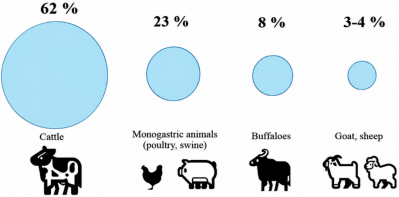
Figure 1. Global enteric Emissions in livestock sector.
2.4. Factors Affecting Manure Methane Emissions
Many factors affect the amount of ruminant CH
4 production, including level of feed intake, type and quality of feeds, energy consumption, animal size, growth rate, level of production, and environmental temperature. Methane also produced from manure of animals depending on the physical form of the faeces, the amount of digestible material, the climate, and the time they remained intact. The major part of methanogenesis in ruminants occurs in the large fermentative chamber, which is rumen
| [14] | Getabalew, M., Tewodros Alemneh, & Dawit Akeberegn. (2019). Methane production in ruminant animals: Implication for their impact on climate change. Concepts of Dairy & Veterinary Sciences, 2(4), 204–211.
https://doi.org/10.32474/CDVS.2019.02.000142 |
[14]
.
There are several factors that affect the CH
4 production from manure, which includes temperature, organic matter present, microbe load, pH, moisture, and type of feed. However, CH
4 emitted from manure depends primarily on (i) the management system such as solid disposal system, liquid disposal systems, e.g., ponds, lagoons, and tanks, which can emit up to 80% of manure-based CH
4 emissions, while solid manure emits little or no CH
4. (ii) Environmental conditions are also important. The higher the temperature and moisture, the more CH
4 produced. (iii) CH
4 emissions also depend on the quantity of the manure produced, which depends on the number of animals housed, the amount of feed the consumed, and the digestibility of the feed. (iv) Manure characteristics depend on the animal type, feed quality, and rumen microbes present in the rumen and digestive tracks. Manure handled in liquid form tends to release more amount of CH
4 when compared to solid or manures thrown into the pasture, which do not decompose anaerobically. High temperatures with neutral pH and high moisture con-tent enhance CH
4 production
| [50] | Sejian, V., Bhatta, R., Malik, P. K., Madiajagan, B., Al-Hosni, Y. A. S., Sullivan, M., & Gaughan, J. B. (2016). Livestock as Sources of Greenhouse Gases and Its Significance to Climate Change. Greenhouse Gases. https://doi.org/10.5772/62135 |
[50]
.
2.5. Conventional Feeding Strategies to Reduce Ghg from Ruminants
2.5.1. Forage Quality Improvement
Reductions in methane production from ruminant animals can result from a reduction in rumen fermentation rate (suppression in microbial activity) or a shift in volatile fatty acid (VFA) production. An inverse relationship exists between the pro-duction of CH
4 in the rumen and the presence of propionate
| [14] | Getabalew, M., Tewodros Alemneh, & Dawit Akeberegn. (2019). Methane production in ruminant animals: Implication for their impact on climate change. Concepts of Dairy & Veterinary Sciences, 2(4), 204–211.
https://doi.org/10.32474/CDVS.2019.02.000142 |
[14]
.
The highly variable nutritive profile of forages affects enteric CH
4 production. Improved forage quality typically results in greater CH
4 output per day because high-quality forages have a faster passage rate from the rumen, which leads to greater feed intake and more fermentable substrate in the rumen. The result is greater daily enteric CH
4 production per day. However, the amount of CH
4 produced per unit of energy consumed or kg-1 of milk typically decreases as the quality of forages in-creases. Therefore, investigating new and/or lesser-known species and varieties/cultivars capable of producing high-biomass of quality forage and decrease methane (CH
4) production in ruminants is particularly important to develop new sources of feed
| [48] | Raji, S. G., Asmare, B., Ewunetu, Y., Dangura, T., Jørgensen, M., & Berhanu, Y. (2025). Exploring tropical forage options that optimize animal production and reduce methane emissions in mixed crop – livestock systems in Ethiopia.
https://doi.org/10.1071/CP25085 |
[48]
.
Feeding legumes compared to grasses tends to reduce CH
4 but this relationship is also influenced by the maturity of the for-age at the time of consumption. Legumes produce less CH
4because they have lower NDF content and pass more quickly through the rumen
| [34] | Mehdi, I., & Mehdi, I. (2025). MITIGATION STRATEGIES TO REDUCE METHANE EMISSION FROM LARGE RUMINANTS: SPECIFIC INTENTION TO DAIRY AND BEEF CATTLE Ibrahim Mehdi. 14(5), 884–906. |
[34]
. At the same physiological stage of maturity, legume forages contain less neutral detergent fibre (NDF) than grasses, and although the fibre in legumes is more lignified, the decline in fibre digestibility with advancing maturity is much greater for grasses than for legumes. Fibre that is more digestible results in a ruminal fermentation that decreases the acetate to propionate ratio and methanogenesis. In addition, legumes contain secondary compounds that decrease CH
4 production
.
Forage digestibility can be increased in several ways. Harvesting at younger maturity increases digestibility because of greater concentrations of nonstructural carbohydrates, such as sugars and fructans, along with lower lignification of plant cell walls. Some genetic variants have greater digestibility. For example, the stover from the bm-3 or brown midrib genetic variant of maize and sorghum is more highly digested than typical varieties. Cellulose, hemicellulose, and NDF were less digestible in diets containing 40% (DM) maize silage and 10% alfalfa silage than in diets containing 10% maize silage and 40% alfalfa silage. Finally, grass forage is typically more digestible than legumes, such as alfalfa, although the rate of fer-mentation is faster for legumes
.
2.5.2. Improving Feed Efficiency
Improving feed efficiency, defined as the ratio of animal product to feed intake (i.e. kg of meat or milk per kg DMI), reduces CH
4 emission intensity. Feed efficiency may be improved by increasing the nutrient density or feed digestibility, altering the rumen microbial composition, enhancing feed management practices. Improving feed efficiency will reduce absolute CH
4 emissions, CH
4 intensity and upstream emissions associated with feed production because less feed is required to produce a given quantity of animal product. In addition, CH
4 and N
2O emissions from manure storage and land application are also reduced because less manure is produced
.
Diet modifications reduce CH
4 emissions by decreasing the fermentation of feed in the rumen, shifting the site of digestion from the rumen to the intestines, diverting hydrogen away from CH
4 production during and supplemental feed additives as a means of reducing conversion rates
| [5] | Beauchemin, K. A., McGinn, S. M., Martinez, T. F. & McAll ister, T. A. (2007) Use of condensed tannin extract from quebracho trees to reduce methane emissions from cattle. Journal of Animal Science. 85(8), 1990-1996.
https://doi.org/10.2527/jas.2006-686 |
| [6] | Beauchemin K A, Ungerfeld E M, Eckard R J, Wang M. (2020). Review: Fifty years of research on rumen methanogenesis: lessons learned and future challenges for mitigation. Animal, 14(S1): s2−s16. |
[5, 6]
. In addition, non-dietary approaches are being examined including vaccination, biological controls (bacteriophage, bacteriocins), chemical inhibitors that directly target methanogens, and promotion of acetogenic populations in the rumen to lower the supply of metabolic hydrogen to methanogens and ruminal fermentation, or by inhibiting the formation of CH
4 by rumen bacteria
| [34] | Mehdi, I., & Mehdi, I. (2025). MITIGATION STRATEGIES TO REDUCE METHANE EMISSION FROM LARGE RUMINANTS: SPECIFIC INTENTION TO DAIRY AND BEEF CATTLE Ibrahim Mehdi. 14(5), 884–906. |
[34]
.
2.5.3. Increasing Feed Intake
Increasing feed intake increases total CH
4 emissions but reduces CH
4 emission rate (percent of GEI or Ym) and yield (CH
4/kg DMI). Increasing the feed intake of ruminants decreases the retention time of feed in the rumen due to higher pas-sage rates. Shorter retention time limits microbial access to OM, thus reducing the extent of ruminal fermentation and lead-ing to a decline in CH
4 losses per unit of DMI or as a percentage of gross energy intake (GEI)
| [21] | Hristov, A. N., et al. (2013). Mitigation of methane and nitrous oxide emissions from animal operations: I. A review of enteric methane mitigation options. Journal of Animal Science, 91(11), 5045–5069. https://doi.org/10.2527/jas.2013-6583 |
| [26] | Johnson, K. A., & Johnson, D. E. (1995). Methane emissions from cattle. Journal of Animal Science, 73(8), 2483–2492.
https://doi.org/10.2527/1995.7382483x |
[21, 26]
. In addition, a rapid passage rate increases the growth rate of methanogens and H2 concentration, inhibiting acetate, H2 and CH
4 production and favoring propionate production, which is a competitive pathway for the use of H2. Importantly, increased feed intake decreases the proportion of ingested and absorbed nutrients and of energy associated with animal maintenance. As a result, increased feed intake dilutes CH
4 production due to maintenance, and a greater proportion of CH
4 emitted is associated with animal production
. However, these effects depend on diet composition, digestibility, and feeding level; therefore, increased feed intake does not necessarily reduce methane emissions under all conditions
| [21] | Hristov, A. N., et al. (2013). Mitigation of methane and nitrous oxide emissions from animal operations: I. A review of enteric methane mitigation options. Journal of Animal Science, 91(11), 5045–5069. https://doi.org/10.2527/jas.2013-6583 |
[21]
.
2.5.4. Forage-to-Concentrate Ratio Adjustment
There is general agreement that feeding concentrates to ruminants reduces CH
4 emissions, expressed relative to GEI, DMI and product
| [21] | Hristov, A. N., et al. (2013). Mitigation of methane and nitrous oxide emissions from animal operations: I. A review of enteric methane mitigation options. Journal of Animal Science, 91(11), 5045–5069. https://doi.org/10.2527/jas.2013-6583 |
| [25] | Jeyanathan, J., et al. (2019). Dietary manipulation: A sustainable way to mitigate methane emissions from ruminants. Journal details should be checked against the original article before adding it to your reference list. |
[21, 25]
. Decreasing the forage to concentrate ratio of the diet in order to increase the energy density of the diet. Increasing concentrate in the ration reduces CH
4 emissions per unit feed intake and animal product if productivity remains the same or increases. fermentation of sugars and starch shifts rumen fermentation to propionate production when rumen pH decreases. A ration with concentrate of 72% vs. 52% resulted in a 59% increase in rumen propionate concentration and a 44% decrease in the Ac: Pr ratio in lactating dairy cows, accompanied by a depression of milk fat – 3.20 vs. 4.20%, respectively. Some experiments with lactating dairy cows and beef cattle have shown a linear decrease in CH
4 emissions with increasing concentrate in the ration
| [41] | Nedelkov, K., Angelova, T., Krastanov, J., & Mihaylova, M. (2024). Feeding strategies to reduce methane emissions: A review. Bulgarian Journal of Agricultural Science, 30(1), 28–36. |
[41]
.
The composition of the carbohydrates consumed affects the VFA profile and CH
4 production. Acetic acid production is pro-moted in high-forage diets, resulting in greater CH
4 production per unit of feed. A higher proportion of concentrates in the diet decreases the structural carbohydrate proportion and increases the rumen outflow rate. Higher growth rates of methanogens cause H2 to accumulate, which inhibits acetate and CH
4 production and favours propionic production as an alternative sink of metabolic hydrogen. Moreover, the rapid fermentation rate of grains lowers ruminal pH, which inhibits the growth of methanogens and protozoa thereby decreasing CH
4 production per unit of feed fermented
. Increasing the grain content of total mixed rations (TMR) also lowers the proportion of feed energy converted to CH
4 by decreasing the acetate: propionate ratio in the rumen fluid
| [34] | Mehdi, I., & Mehdi, I. (2025). MITIGATION STRATEGIES TO REDUCE METHANE EMISSION FROM LARGE RUMINANTS: SPECIFIC INTENTION TO DAIRY AND BEEF CATTLE Ibrahim Mehdi. 14(5), 884–906. |
[34]
.
2.5.5. High-starch Forages
With high-starch forage there is an increase in starch and a decrease in the fibre concentration of the diet, resulting in a rumen fermentation that promotes propionate production
| [4] | Appuhamy J A D R N, Strathe A B, Jayasundara S, Wagner- Riddle C, Dijkstra J, France J, Kebreab E. (2013). Anti-methanogenic effects of monensin in dairy and beef cattle: a meta-analysis. Journal of Dairy Science, 96(8): 5161-5173. |
| [21] | Hristov, A. N., et al. (2013). Mitigation of methane and nitrous oxide emissions from animal operations: I. A review of enteric methane mitigation options. Journal of Animal Science, 91(11), 5045–5069. https://doi.org/10.2527/jas.2013-6583 |
[4, 21]
, which competes with methanogenesis for metabolic hydrogen. It may also decrease rumen pH
| [53] | Sun, J., Zhao, G., & Li, M. M. (2023). Review Using Nutritional Strategies To Mitigate Ruminal Methane Emissions From Ruminants. 10(3), 390–402. |
[53]
, which inhibits methanogens. These forages can en-hance animal performance due to a high total digestible nutrient content and a greater DMI Promoting starch fermentation in the rumen increases propionate production, which serves as an alternative sink of metabolic hydrogen to methanogenesis. Moreover, increasing starch fermentation decreases ruminal pH and inhibits the proliferation of methanogenic archaea.
Forages are composed of mainly structural carbohydrates while concentrates are high in sugars, starch and highly fermentable fibre. Feeding dairy cows a wheat-based diet reduces CH
4 emissions, yield and intensity by an average of 30, 48 and 41 percent, respectively, compared to corn-based and barley-based diets. oat-based diet decreased CH
4 emissions in dairy cows by 5 percent compared to a barley-based diet. It has also been shown in finishing feedlot cattle that feeding a corn-based diet reduced CH
4 yield by 30 percent in comparison with a barley-based diet possibly due to decreased ruminal starch digestibility
.
2.6. Feed Additives as Nutritional Mitigation Tools
2.6.1. Lipid Supplementation
Dietary lipids produce their CH
4 mitigating effect through various mechanisms that modify the rumen ecosystem and fer-mentation. These mechanisms include toxicity against methanogens and protozoa; biohydrogenation of unsaturated fatty acids serving as a minor alternative H2 sink; shifting the ruminal fermentation process to promote the production of propio-nate resulting in lower CH
4 production; and decreasing feed fermentability in the rumen
.
Lipid supplementation has been investigated as a dietary strategy for modulating ruminal methanogenesis and reducing me-thane emissions
| [20] | Hook SE, Wright ADG, McBride BW (2010). Methanogens: Methane Producers of the Rumen and Mitigation Strategies. Archaea Volume 2010. |
[20]
. In rumen fermentation simulations, coconut oil supplementation reduced methane pro-duction, an effect attributed to lauric acid, its major fatty acid, which inhibits methanogenesis
| [58] | Troels Kristensen, Lisbeth Mogensen, Marie Trydeman Knudsen, John E. Hermansen. (2011). Effect of production system and farming strategy on greenhouse gas emissions from commercial dairy farms in a life cycle approach, Livestock Science, Volume 140, Issues 1–3, Pages 136-148.
https://doi.org/10.1016/j.livsci.2011.03.002 |
[58]
. But it has negative effect on digestibility of feed so not feed lipid more than 10% to the animal
| [14] | Getabalew, M., Tewodros Alemneh, & Dawit Akeberegn. (2019). Methane production in ruminant animals: Implication for their impact on climate change. Concepts of Dairy & Veterinary Sciences, 2(4), 204–211.
https://doi.org/10.32474/CDVS.2019.02.000142 |
[14]
.
2.6.2. Tannins
Tannins are naturally occurring plant polyphenols classified into two main groups: hydrolysable tannins and condensed tannins (CT). Their structural differences influence their interactions with rumen microorganisms and their effects on methane (CH
4) production. Tannins may reduce enteric methane emissions by directly inhibiting methanogenic archaea, interacting with proteins in their cell envelopes, disrupting associations between methanogens and protozoa, and reducing hydrogen transfer between microbial species
. Evidence from tropical livestock systems demonstrates the potential of tannin-rich plants to mitigate methane emissions. For example, condensed tannins in Leucaena leucocephala have been as-sociated with reduced methane emissions in dairy cattle
| [38] | Molina, I. C., Angarita, E. A., Mayorga, O. L., Chará, J., & Barahona-Rosales, R. (2016). Effect of Leucaena leucocephala on methane production of Lucerna heifers fed a diet based on Cynodon plectostachyus. Livestock Science. 185: 24-9.
https://doi.org/10.1016/j.livsci.2016.01.009 |
[38]
, while Desmanthus species have shown potential to reduce methane emissions in grazing cattle
| [54] | Suybeng, B., Charmley, E., Gardiner, C. P., Malau-Aduli, B. S., Malau-Aduli, A. E. (2019). Methane emissions and the use of des manthus in beef cattle production in Northern Australia. Ani mals. 9(8), 542. https://doi.org/10.3390/ani9080542 |
[54]
.
The effectiveness of tannin supplementation, however, depends on the tannin source, dosage, and animal species. Supple-mentation with Acacia tannin extract at 2.5% of dry matter intake (DMI) reduced enteric methane emissions in sheep by ap-proximately 12%, with only a marginal reduction in fibre digestibility. In dairy cows, the same tannin source reduced me-thane emissions by 16% and 28% at the lower and higher supplementation levels, respectively, averaged over a five-week experiment. However, the higher dose initially caused a sharp decline in milk production of approximately 4 kg/day and signs of ill health, necessitating a reduction in the supplementation level
| [34] | Mehdi, I., & Mehdi, I. (2025). MITIGATION STRATEGIES TO REDUCE METHANE EMISSION FROM LARGE RUMINANTS: SPECIFIC INTENTION TO DAIRY AND BEEF CATTLE Ibrahim Mehdi. 14(5), 884–906. |
[34]
. These findings highlight the potential of tannins to mitigate methane emissions but also demonstrate the importance of determining appropriate inclusion levels to avoid adverse effects on animal health and productivity. In contrast, supplementation with quebracho tannin extract at up to 2% of dietary dry matter did not significantly reduce methane emissions in growing cattle
| [5] | Beauchemin, K. A., McGinn, S. M., Martinez, T. F. & McAll ister, T. A. (2007) Use of condensed tannin extract from quebracho trees to reduce methane emissions from cattle. Journal of Animal Science. 85(8), 1990-1996.
https://doi.org/10.2527/jas.2006-686 |
[5]
.
2.6.3. Saponins
Saponins are high-molecular-weight glycosides composed of sugar molecules linked to non-sugar components, some of which possess steroid-like structures. They are widely distributed in plant parts, including leaves, roots, bark, tubers, seeds, and fruits, and produce stable, soap-like foam when dissolved in water
| [15] | Goel G, Makkar HPS., & Becker K. (2008). Changes in micro bial community structure, methanogenesis and rumen fermentation in response to saponin-rich fractions from different plant ma terials. Journal of Applied Microbiology. 105(3): 770-7.
https://doi.org/10.1111/j.1365-2672.2008.03818.x |
[15]
. Plant-derived saponins have been investigated as potential feed additives for reducing ruminal methane (CH
4) production, although their effectiveness varies considerably according to the plant source, extraction method, and dietary substrate. For instance, fenugreek and sesbania extracts prepared using water and different methanol concentrations reduced rumen protozoal populations by approximately 50% in vitro, but did not significantly decrease methane production under some experimental conditions. However, when these extracts were incorporated into hay, concentrate, or mixed substrates, methane production decreased by 5.1–11.9%
| [15] | Goel G, Makkar HPS., & Becker K. (2008). Changes in micro bial community structure, methanogenesis and rumen fermentation in response to saponin-rich fractions from different plant ma terials. Journal of Applied Microbiology. 105(3): 770-7.
https://doi.org/10.1111/j.1365-2672.2008.03818.x |
[15]
. Similarly, extracts of Sapindus mukorossi prepared using different solvents reduced methane production in vitro, with the ethanol extract achieving a reported reduction of up to 96%
| [1] | Agarwal, N., Kamra, D. N., Chaudhary, L. C., & Patra, A. K. (2006). Effect of Sapindus mukorossi Extracts on in vitro Methano genesis and Fermentation Characteristics in Buffalo Rumen Liquor. Journal of Applied Animal Research. 30(1), 1–4. https://doi.org/10.1080/09712119.2006.9706814 |
[1]
. Saponins from Sapindus saponaria have also been reported to reduce methane production by up to 20% without decreasing methanogen populations
| [19] | Hess HD, Beuret RA, Lotscher M, HindrichsenI K, Machmüller A, et al. (2004). Ruminal fermentation, methanogenesis and nitrogen utilization of sheep receiving tropical grass hay-concentrate diets offered with Sapindus Saponaria fruits and Cratylia argentea foliage. Animal Science 79: 177-189. |
[19]
.
The methane-mitigating effects of saponins are generally attributed to their antiprotozoal activity, because rumen protozoa often maintain symbiotic associations with methanogenic archaea and supply hydrogen that supports methane formation. By reducing protozoal populations, saponins may limit hydrogen availability for methanogenesis and consequently decrease methane production
| [17] | Guo YQ, Liu JX, Lu Y, Zhu WY, Denman SE, et al. (2008). Effect of tea Saponin on Methanogenesis, Microbial community structure and Expression of mcrA gene, in cultures of rumen microorganisms. Lett Appl Microbial 47(5): 421-426. |
| [44] | Patra AK, Saxena J. (2009). The effect and mode of action of saponins on the microbial populations and fermentation in the rumen and ruminant production. Nutrition Research Reviews. 22(2): 204-219. https://doi.org/10.1017/S0954422409990163 |
[17, 44]
. In addition to their potential antimethanogenic effects, saponins may promote microbial protein synthesis, support fibre-degrading bacteria and fungi, and improve feed utilization, particularly when animals consume low-quality diets
. Other plant-derived feed additives, including tannins and essential oils, have also been investigated for their potential to modify rumen fermentation and reduce methane emissions
| [28] | Leahy SC, Kelly WJ, Altermann E, Ronimus RS, Yeoman CJ. (2010). The Genome Sequence of the Rumen Methanogen Methanobrevibacter ruminantium Reveals New Possibilities for Controlling Ruminant Methane Emissions. PLoS ONE 5(1): e8926. |
[28]
. Essential oils may influence rumen microbial activity by inhibiting certain bacterial groups, including Gram-positive bacteria, although their effects depend on their chemical composition and supplementation level
| [14] | Getabalew, M., Tewodros Alemneh, & Dawit Akeberegn. (2019). Methane production in ruminant animals: Implication for their impact on climate change. Concepts of Dairy & Veterinary Sciences, 2(4), 204–211.
https://doi.org/10.32474/CDVS.2019.02.000142 |
[14]
.
2.6.4. Ionophores
Ionophores have been used in livestock production for more than four decades to improve animal health and feed efficiency. More recently, their effects on rumen microbial communities and methane (CH
4) emissions have attracted considerable attention. The ionophores most commonly used in livestock production include monensin, salinomycin, lasalocid, and laidlomycin. Their mode of action involves disrupting ion gradients across the cell membranes of susceptible Gram-positive bacteria and protozoa, impairing cellular function and potentially leading to cell death. This selective antimicrobial activity favors Gram-negative bacteria in the rumen, thereby promoting propionate production and reducing hydrogen availability for methanogenesis
| [10] | Crossland W L, Tedeschi L O, Callaway T R, Miller M D, Smith W B, Cravey M. (2017). Effects of rotating antibiotic and ionophore feed additives on volatile fatty acid production, potential for methane production, and microbial populations of steers consuming a moderate-forage diet. Journal of Animal Science, 95(10): 4554−4567. |
[10]
.
Ionophores are commonly incorporated into high-concentrate diets to help control ruminal acidosis and can reduce total CH
4 production by approximately 5%. In high-fiber diets, monensin may inhibit cellulolytic bacteria, thereby altering rumen fermentation and contributing to reduced CH
4 emissions
| [36] | Melchior E A, Hales K E, Lindholm-Perry A K, Freetly H C, Wells J E, Hemphill C N, Wickersham T A, Sawyer J E, Myer P R. (2018). The effects of feeding monensin on rumen microbial communities and methanogenesis in bred heifers fed in a drylot. Livestock Science, 212: 131−136 5161−5173. |
[36]
. Similarly, ionophores can decrease the abundance of certain Gram-positive bacteria, including cocci, and suppress acetate production, which may indirectly reduce methanogenesis
| [4] | Appuhamy J A D R N, Strathe A B, Jayasundara S, Wagner- Riddle C, Dijkstra J, France J, Kebreab E. (2013). Anti-methanogenic effects of monensin in dairy and beef cattle: a meta-analysis. Journal of Dairy Science, 96(8): 5161-5173. |
[4]
. However, the effectiveness of ionophores in mitigating CH
4 emissions tends to decline over time, potentially because of microbial adaptation
| [7] | Benchaar C. (2016). Diet supplementation with cinnamon oil, cinnamaldehyde, or monensin does not reduce enteric methane production of dairy cows. Animal, 10(3): 418−425. |
| [57] | Torres R N S, Paschoaloto J R, Ezequiel J M B, da Silva D A V, Almeida M T C. (2021). Meta-analysis of the effects of essential oil as an alternative to monensin in diets for beef cattle. Veterinary Journal, 272: 105659. |
[7, 57]
. Despite their benefits, the use of ionophores is restricted in some countries because of concerns about antimicrobial resistance, potential residues, and long-term microbial adaptation. These limitations highlight the need to investigate safe and effective alternatives that can maintain animal health and productivity while reducing enteric CH
4 emissions
| [53] | Sun, J., Zhao, G., & Li, M. M. (2023). Review Using Nutritional Strategies To Mitigate Ruminal Methane Emissions From Ruminants. 10(3), 390–402. |
[53]
.
2.6.5. Nitrate
Nitrate has a higher affinity for hydrogen than CO
2, allowing it to reduce methane (CH
4) emissions through two primary mechanisms: directly competing with methanogens for hydrogen and indirectly inhibiting methanogenesis through its inter-mediate metabolite, nitrite
| [53] | Sun, J., Zhao, G., & Li, M. M. (2023). Review Using Nutritional Strategies To Mitigate Ruminal Methane Emissions From Ruminants. 10(3), 390–402. |
[53]
.
| [6] | Beauchemin K A, Ungerfeld E M, Eckard R J, Wang M. (2020). Review: Fifty years of research on rumen methanogenesis: lessons learned and future challenges for mitigation. Animal, 14(S1): s2−s16. |
[6]
reported that dietary nitrate supplementation reduced CH
4 production by 10%–22% without significantly affecting neutral detergent fiber (NDF) digestion. Furthermore, long-term nitrate supplementation over several months consistently reduced CH
4 emissions by approximately 12% in beef cattle and 16% in dairy cows
| [29] | Lee C, Araujo R C, Koenig K M, Beauchemin K A. (2017). Effects of encapsulated nitrate on growth performance, nitrate toxicity, and enteric methane emissions in beef steers: backgrounding phase. Journal of Animal Science, 95(8): 3700−3711. |
[29]
.
Despite its potential to mitigate CH
4 emissions, nitrate supplementation may reduce feed intake and raise safety concerns. Studies have shown that dietary nitrate supplementation at 15 g·kg⁻¹ dry matter (DM) decreased dry matter intake (DMI) by approximately 8%, potentially because of its bitter taste and reduced palatability
| [37] | Meller R A, Wenner B A, Ashworth J, Gehman A M, Lakritz J, Firkins J L. (2019). Potential roles of nitrate and live yeast culture in suppressing methane emission and influencing ruminal fermentation, digestibility, and milk production in lactating Jersey cows. Journal of Dairy Science, 102(7): 6144−6156. |
| [49] | Rebelo L R, Luna I C, Messana J D, Araujo R C, Simioni T A, Granja-Salcedo Y T, Vito E S, Lee C, Teixeira I A M A, Rooke J A, Berchielli T T. (2019). Effect of replacing soybean meal with urea or encapsulated nitrate with or without elemental sulfur on nitrogen digestion and methane emissions in feedlot cattle. Animal Feed Science and Technology, 257: 114293. |
[37, 49]
. Consequently, the observed reduction in CH
4 production may partly result from lower feed intake rather than solely from the inhibitory effects of nitrate on methanogenesis. However,
| [43] | Ortiz-Chura A, Gere J, Marcoppido G, Depetris G, Cravero S, Faverín C, Pinares-Patiño C, Cataldi A, Cerón-Cucchi M E. (2021). Dynamics of the ruminal microbial ecosystem, and inhibition of methanogenesis and propiogenesis in response to nitrate feeding to Holstein calves. Animal Nutrition, 7(4): 1205−1218. |
[43]
demonstrated that nitrate-induced CH
4 mitigation was independent of changes in DMI. They also reported that nitrate supplementation reduced the relative abundance of methanogens and promoted propionate production through ruminal fermentation, suggesting that nitrate can sup-press methanogenesis through microbial and metabolic pathways.
Nevertheless, nitrate supplementation presents potential health risks because its metabolite, nitrite, can impair the oxy-gen-carrying capacity of hemoglobin and may contribute to carcinogenic effects under certain conditions. These concerns have led to restrictions on nitrate supplementation in some countries
| [53] | Sun, J., Zhao, G., & Li, M. M. (2023). Review Using Nutritional Strategies To Mitigate Ruminal Methane Emissions From Ruminants. 10(3), 390–402. |
[53]
. To improve the effectiveness and safety of nitrate-based CH
4 mitigation, combining nitrate with dietary lipids or other mitigation strategies may help reduce nitrite accumulation while enhancing methane reduction.
2.7. Manure Management Strategies for Greenhouse Gas Mitigation
Effective manure management is an important strategy for reducing greenhouse gas (GHG) emissions from livestock pro-duction. Methane (CH
4) emissions can be minimized through appropriate manure storage and handling, anaerobic digestion, composting, and dietary manipulation to improve manure characteristics
| [55] | Symeon, G. K., Akamati, K., Dotas, V., Karatosidi, D., Bizelis, I., & Laliotis, G. P. (2025). Manure Management as a Potential Mitigation Tool to Eliminate Greenhouse Gas Emissions in Livestock Systems. 1–27. |
[55]
. Among these approaches, anaerobic digestion is particularly promising because it captures methane generated during the decomposition of organic matter and converts it into biogas for energy production. When properly managed, anaerobic digesters can reduce methane emissions from manure by approximately 60–80%, while providing renewable energy that can substitute for fossil fuels
| [56] | Thompson, M. (2024). Rethinking Methane Emissions from Animal Agriculture : Innovative Strategies for Sustainable Mitigation. 1(1), 28–39. |
[56]
. This approach offers environmental and economic benefits by limiting methane release, improving waste management, and potentially reducing farm energy costs. However, the overall climate benefit depends on methane capture efficiency, energy substitution, and emissions associated with digestate storage and application
| [9] | Clemens, J.; Trimborn, M.; Weiland, P.; Amon, B. (2006). Mitigation of Greenhouse Gas Emissions by Anaerobic Digestion of Cattle Slurry. Agric. Ecosyst. Environ. 112, 171–177. |
[9]
.
The potential benefits of anaerobic digestion are illustrated by a study of dairy farms in northern Spain, where methane emissions associated with slurry management, including storage and fertilizer application, ranged from 34 to 66 kg CH
4 per dairy cow annually and from 13 to 25 kg CH
4 per suckler calf annually
| [33] | Marañón, E.; Salter, A. M.; Castrillón, L.; Heaven, S.; Fernández-Nava, Y. (2011). Reducing the Environmental Impact of Methane Emissions from Dairy Farms by Anaerobic Digestion of Cattle Waste. Waste Manag. 31, 1745–1751. |
[33]
. Across the farms examined, total emissions ranged from 22,223 to 107,949 kg CO
2-equivalent per year. The assessment reported potential annual savings of 978–1,776 kg CO
2-equivalent per farm through anaerobic digestion, primarily by preventing methane emissions during slurry management
| [55] | Symeon, G. K., Akamati, K., Dotas, V., Karatosidi, D., Bizelis, I., & Laliotis, G. P. (2025). Manure Management as a Potential Mitigation Tool to Eliminate Greenhouse Gas Emissions in Livestock Systems. 1–27. |
[55]
. These findings highlight the importance of selecting manure management practices suited to farm size, available resources, and local conditions to reduce the environmental impact of livestock production.





 Share This Article
 Twitter
 Linked In
 Facebook

 Copy
 Download