Research Article | | Peer-Reviewed

Quality Parameters and Antioxidant Properties of Ceiba Pentandra (L.) Gaertn, from Far North Cameroon

Received: 30 December 2025     Accepted: 8 January 2026     Published: 29 January 2026
Views:       Downloads:
Abstract

The worldwide use of oil from Ceiba pentandra (L.) Gaertn. was also experienced in the Far North region of Cameroon due to its wide spread and abundance in the area. This study aimed at presenting proximate characteristics of the oilseed and its oil that may serve as justification to its gross use especially as traditional medicine and food in the study area. Plant materials harvested from the study area were treated and oil extracted from the kernels. Proximate analyses were carried out as well as the antioxidant tests and fatty acid profiling. The results showed that seeds make up 45.13% of the fruits and had a total lipid content of 22.64%. This oil was rich in polyphenols and flavonoids thus the important IC50 values for antioxidant assays were ABTS 96.27; DPPH 121.12; β carotene 84.63; Metal chelating 81.49 that conferred to the oil the numerous uses observed. This work was innovative in that it presented a comprehensive antioxidant profiling of ceiba pentandra oil from the Far North region of Cameroon. Due to the high amount of unsaturated fatty acids present in the oil, and good antioxidant properties, Ceiba from Cameroon could be marked as rich and good for nutritive and therapeutic consumption.

Published in Engineering and Applied Sciences (Volume 11, Issue 1)
DOI 10.11648/j.eas.20261101.15
Page(s) 33-40
Creative Commons

This is an Open Access article, distributed under the terms of the Creative Commons Attribution 4.0 International License (http://creativecommons.org/licenses/by/4.0/), which permits unrestricted use, distribution and reproduction in any medium or format, provided the original work is properly cited.

Copyright

Copyright © The Author(s), 2026. Published by Science Publishing Group

Keywords

Ceiba Pentandra (L.) Gaertn, Oil Extract, Antioxydants, Flavonoid, Polyphenol, Fatty Acids

1. Introduction
The Far North region of Cameroon possessed enormous amount of tropical tree species. Among them was Ceiba Pentandra (L.) Gaertn, commonly called the Kapok tree and Family Bombacaceae, known for its white silky floss . It was seen to be a multipurpose tropical tree species with a smooth trunk covered by large conical thorns and could reach heights of 40 to 60 meters in Africa . It was recognized for its ecological, nutritional and contribution to local economies through timber, fiber, medicinal applications, which are integral to local livelihoods and traditional practices across Africa, including the Far North region of Cameroon . Its fruit was 10 to 30-centimeters long hanging elliptical capsule and opened up in five valves permitting the appearance of whitish cotton like fluff called Kapok as well as brown seeds that were spread away by wind . The seeds were high in fat and crude protein, that indicated its significance for nutritional uses, such as animal feed or human consumption, although anti-nutritional factors like tannins and cyclopropenoid fatty acids that needed to be addressed . Although in the Far North Region, inhabitants seemed to have been diverted for some time away from the extraction of oil , traditionally, the oil from the seed was used for soap and medicine which was now gaining attention for its physicochemical qualities and antioxidant potential. Recent research examined its quality traits, including growth parameters, chemical makeup and phytochemical profile, all of which impact its use and the composition of the seed oil, which was often rich in beneficial unsaturated fatty acids like linoleic and oleic acid . Different components of Ceiba Pentandra are recognized in traditional medicine for their therapeutic potential which was mostly due to the plant’s varied secondary metabolites, such as phenolics and flavonoids, which provide notable antioxidant effects shown in vitro . Research on its leaves and stem bark has substantiated its antioxidative and anti-inflammatory properties, hence affirming its status as a natural source of antioxidant .
Numerous studies have also reported the potential of using kapok oil as a biofuel source . Other researchers have studied the lipid profiles, anti-inflammatory, phytochemical, and antioxidant properties of this oil in India and Malaysia . Such studies have not yet been carried out in Cameroon, to the best of our knowledge. In Cameroon, a study was carried out that aimed at confirming its viability as edible and industrial oil . A comprehensive characterization of the quality and antioxidant profile of Ceiba Pentandra Gaertn from the Far North of Cameroon was essential to realize its full potential for local industries and medicinal applications.
Furthermore, it was be important to apprehend their physical and chemical parameters in other to boost up justification of its diverse uses in the local areas as well as worldwide specially since the oilseed was abundant in Far North Cameroon , so far such data was lacking concerning the Far North region of Cameroon. In summary, exploring quality parameters and antioxidant features of Ceiba pentandra emphasized its ecological value and demonstrated potential health and nutritional benefits for the local community as well as providing grounds for agro-industrial valorization.
2. Material and Methods
2.1. Material
Mature dried fruits of Kapok (Ceiba pentandra) were obtained from Kaele town in the Far North region of Cameroon. This locality is one of the areas of high production of this fruit and its oil . Fruits were picked up from the ground when they fall down already dry. The healthy and selected kernels were separated from the fruits manually by a traditional method using two stones. Then the kernels were transported to the laboratory and stored in a cool dry cupboard.
2.2. Methods
2.2.1. Physical Parameters
The parameters measured were fruit diameter, length, weight. 50 fruits were weighed using a Sartorius precision balance (10-2), and the lengths measured with a Vernier caliper with an accuracy of 0.01 and the mean taken at each time.
2.2.2. Chemical Parameters of Seeds
The AFNOR method was adopted for determination of moisture content and ash content. Nitrogen content was determined after mineralization of samples using the Kjeldahl method , and the nitrogen was then measured according to the colorimetric technique of Devani et al. . The protein content was finally obtained by multiplying the nitrogen content by the conventional factor of 6.25 . Ammoniacal Nitrogen content was carried out using the indophenol Blue method. Total sugar and soluble sugar were determined using colorimetric method of Dubois et al. .
The extraction of oil was carried out according to the UICPA method with hexane as the solvent. The procedure was carried out thrice for each oil seeds and the average of each of the yields obtained from the mass of oil obtained (considered as Mo) from a mass (Md) of dry matter gives the yield for each procedure under study.
Yield (Y)=MoMd 100(1)
Where Mo was the mass of oil recovered, Md was the mass of dry matter.
The values for each parameter were given with respect to the dry matter (DM).
2.2.3. Chemical Parameters of Oil
Samples and standard solutions were prepared according to the procedures of the AOAC . Thus, determined were the acid number and% Free Fatty Acid (%FFA). The acid number and the percentage of Free Fatty Acid (%FFA) were indicators of the quality and degradation of fats. However, the acid number measured the total amount of free fatty acids and was therefore an absolute value (mg of KOH per gram of sample). The percentage of Free Fatty Acids, on the other hand, measured free fatty acids as a percentage of the total weight and was thus a relative value. % Free Fatty Acid was obtained by multiplying the Acid number by a factor of 0.503.
The saponification number and iodine number were determined according to the UICPA method . The total polyphenol compounds content was evaluated according to the spectrophotometric method, using the Folin-Ciocalteau reagent as described by Gao et al. . While the total flavonoid compounds content in the oil was determined by the method described by Mimica-Dukic . The fatty acid content was determined using the method of Siano et al. with slight modifications and their respective FAME and was combined with an analytical separation using gas chromatography.
2.2.4. Antioxidant Activity
The IC50 data for our oil extract was measured for free radical scavenging activity (DPPH assay) with BHT standard 45.4±0.5and α-tocopherol standard 17.3±0.2; β-carotene-linoleic acid assay with BHT standard 2.5±0.1 and α-tocopherol standard 10.2±0.1; the ABTS•+ scavenging activity with BHT standard 14.3±0.3 and α-tocopherol standard 14.3±0.3 and the ferrous ion chelating potential (Metal chelating activity assay) with Quercetine standard 250.1±0.9 and EDTA standard 6.5±0.1 were determined according to the methods described by Chemsa et al. .
2.2.5. Statistical Analysis
The Minitab 20.4 software was used to analyze data. The parameters were determined in triplicate. The data were presented as the mean with standard deviation.
3. Results and Discussion
3.1. Physical Characteristics
The seeds were observed to be wrapped up by the fruit kapok. The Ceiba fruit had an average fruit length 180.50 mm and average fruit diameter 43.68 mm with an average fruit mass of 39.88 g. The seeds summed up to an average number of 241.88 for one fruit and averagely weighed 17.85 g. Therefore, the seed was seen to occupy 45.13% of the total mass of the fruit (Table 1). The fruit length was similar to that of Pitoa (185 mm), but lower than those from Maroua (202.3 mm) and Mbe (205.9 mm) localities, as obtained by Nkouam et al. . The same was true for the fruit diameter. This difference in length was likely due to agro-climatic conditions. Rainfall and temperatures being similar to those of Pitoa, but less favorable than those of Maroua and Mbe. Consequently, the fruit from Kaele was shorter. However, our length values fall within the range reported in the literature which is 10 to 30 cm.
The fruit mass was lower than that (45 to 56 g) obtained by Nkouam et al. and that of 59.55 g obtained by Anigo et al. . This difference could also be due to agro-climatic conditions. Regarding seed masses, our values were closer to those of Mbe seeds (18. 93 g) but higher than those of Maroua (16.42), Pitoa (14.32), the 13.87 g obtained by Anigo et al. and the 13.35 g obtained by Raharimalala . This observation could be explain ed by the longer exposure to sun of the Ceiba trees. Indeed, Adjei and Kyereh found that young plants require enough sun exposure, resulting in a greater number of seeds per fruit. This explanation also proved true for the higher percentage of seeds per fruit compared to Nkouam et al. (31 to 34%) and Anigo et al. (23.29%). Another consequence of the long exposure to the sun could be noted in terms of the influence on the increase in oil properties and its antioxidant activity. This finding confirmed Kaele as a key source of kapok seeds.
Table 1. Physical characteristics of the fruits of Ceiba.

Physical characteristic

Value

Fruit mass (g)

39.87 ± 9.33

Fruit length (mm)

180.50 ± 2.03

Fruit diameter (mm)

43.67 ± 3.62

Seed mass (g)

17.85 ± 4.311

Average number of seeds per fruit

241.88 ± 0.01

Seed mass / fruit mass (%)

45.13 ± 7.89

3.2. Chemical Characteristics of Seeds
Table 2 presents chemical characteristics of seeds. The extraction yield obtained was 22.64%. This value fell within the 22-28% range reported by Brink and Achigan-Dako . It was also similar to the 23.10% reported in Nigeria by Anigo et al. . However, this extraction yield was lower than the 27.5% obtained by Anwar et al. , the 27-28% obtained by Nkouam et al. and the 31.62% obtained by Montcho et al. . This difference could be explained by differing agro-climatic and environmental conditions. Indeed, for seeds of the same species and variety, the amount of oil stored in oil cells may vary significantly depending on the growing environment. It could also vary with solar radiation, heat stress and water availability during the seed growth phases. The consistent and respectable oil yield from kapok seeds in these countries highlights its potential as a source of non-edible oil for industrial applications, such as biodiesel production, soap manufacturing, and as a feedstock for the oleochemical industry.
The results showed that Ceiba fruits have a water content of 8.75%. This value was higher than the 7.88%, 4.1% and 6.05% obtained by Anigo et al. , Anwar et al. and Montcho et al. , respectively. However, this value was lower than the 9.4% obtained by Narahari and Asha Rajini and the 9.39 to 9.49% reported by Nkouam et al. . The seeds also have an ash content of 6.21%. This content was lower than the values of 7.51%, 8.2% and 8.54-8.77% mentioned in Madagascar by Raharimalala , in Malaysia by Anwar et al. and in Cameroon by Nkouam et al. , respectively. This result suggested that the soil of Kaele was less rich in minerals than that of Maroua . Conversely, this value was higher than the 5.62% and 5.87% reported by Ari et al. and Anigo et al. in Nigeria, respectively. All these discrepancies between our values and those of other authors could be explained by the climatic conditions of each country and location.
Table 2 also presented an ammoniacal nitrogen content of 0.11%, a total nitrogen content of 7.27% and a protein content of 45.44%. The protein content value was higher than the 32.4% and 31.97% found by Narahari and Asha Rajini and Ari et al. , respectively. It was also higher than the 36.90% mentioned by Anigo et al. , the 35% obtained by Anwar et al. and the 31.72 to 32.68% reported by Nkouam et al. . The explanation suggested for the previous parameters was valid for the protein content. This result was consistent with the low oil yield, as there was a known significant inverse correlation between protein and oil content in oilseeds. Lipids and proteins being derived from pyruvate, a common metabolic product. The “low” ammonia nitrogen content indicated unaltered protein quality, and therefore the presence of high-quality proteins. The high protein content indicated that the defatted kernel meal left after oil extraction was a valuable by-product that could be used as animal feed or, with further processing, as a plant-based protein ingredient, contributing to the economic viability of kapok seed processing .
Regarding total sugars, the value we obtained was 11.58% with a soluble sugar content of 1.04%. This total sugar content value was lower than those of 19.39 to 21.65% , 23% , 41.3% and 26.25% . The agro-climatic conditions and techniques used could explain this difference between our values and those in the literature. Indeed, some authors, including Anigo et al. determined the sugar content by difference. The low soluble sugar content was consistent with the total sugar content. Indeed, it indicated the low availability of soluble sugars (sucrose, glucose and fructose) as energy reserves.
Table 2. Chemical characteristics (Proximate analysis) of the seeds of Ceiba.

Chemical characteristic

Value

Dry matter (%)

91.25 ± 0.27

Water content (%)

8.75 ± 0.27

Ash content (%DM)

6.21 ± 0.42

Total nitrogen content (%DM)

7.27 ± 0.28

Protein content (%DM)

45.44 ± 1.75

Ammoniacal nitrogen content (%DM)

0.11± 0.01

Total sugar content (%DM)

11.58 ± 0.51

Soluble sugar content (%DM)

1.04 ± 0.09

Total lipid content (%DM)

22.64 ± 1.47

DM: Dry Matter
3.3. Chemical Characteristics of Ceiba Oil
Table 3 presented the chemical characteristics of the extracted oil. The acid number was 2.81 and the %FFA 1.41. This acid number was lower than the 4.52 value obtained by Montcho et al. in Benin. Furthermore, this value indicated the good quality of the oil, especially since it met the standard of 4 recommended by the Codex Alimentarius for edible oils. Regarding the %FFA, Anwar et al. found a value of 0.80 in Malaysia, lower than ours. Our result, below 2%, indicated that our oil remained of good quality. However, corrective measures could make it more suitable for consumption as virgin oil (less than 1%). The agro-climatic conditions of each country and locality could explain the difference between our results and those of other authors.
Regarding the saponification number, we obtained a value of 189.81. This fell within the range (181.39 to 194.01) obtained by Nkouam et al. . However, it was higher than the values of 179.77, 186.9 and 152.79 found by Anigo et al. , Anwar et al. and Montcho et al. , respectively. It was also lower than 197 obtained by Tamilselvana et al. . The different climatic conditions in the countries of origin of the seeds could explain the differences between the values. Indeed, these countries, namely Nigeria, Benin and India, would have different rainfall patterns than those of northern Cameroon.
Regarding iodine number, the result obtained was 70.96. This value was lower than the 76.80 found by Anigo et al. , the 101.7 reported by Anwar et al. , the 100.6 recorded by Tamilselvana et al. , the range of 90.03 to 94.06 obtained by Nkouam et al. and the 129.79 obtained by Montcho et al. . Climatic and soil variations could explain these differences, as they also influenced the lipid profile (fatty acid composition) of the seeds. Our oil was less unsaturated than those of the aforementioned authors. This result suggested that our oil would be better conserved than that of the other mentioned authors who had higher iodine numbers.
Table 3. Chemical characteristic of Ceiba oil.

Chemical characteristic

Value

Acid number (mg KOH/g oil)

2.81 ± 0.01

% FFA (% as oleic acid)

1.41 ± 0.01

Saponification number (mg KOH/g oil)

189.81 ±1.62

Iodine number (mg I2/100 g oil)

70.96 ±0.79

%FFA: Percentage of Free Fatty Acids
3.4. Antioxidant Characteristics of Ceiba Oil
In Table 4 was presented total Polyphenol content, total flavonoid contents and ABTS, DPPH radical scavenging capacity, β carotene, Metal chelating capacity of Ceiba seed oil. Anwar et al. worked on the antioxidant properties of oil from Ceiba and our findings showed similar results. The oil showed an ABTS IC50 of 96.27, DPPH IC50 of 121.12, β carotene IC50 of 84.63 and a Metal chelating IC50 of 81.49, although these values were relatively different from their corresponding standards, they showed that Ceiba oil was good for consumption as food because the antioxidant activities conferred them action on the free radicals in the human system that need to be eliminated. The high antioxidant activities observed from ABTS and DPPH could be explained by the high contents in polyphenols and flavonoids which were the active molecules present in the oil . These relatively high polyphenol compounds content could be at the origin of the numerous virtues of the oilseeds and oil extracts of Ceiba both in traditional medicine and in modern medicine as well as in cosmetics and most especially in the use as an insecticide. These results corroborate with the observations made by Ravi et al. and those of Montcho et al. although these studies were carried out for biodiesel purposes and not for direct consumption purposes. The results from this work place the oil from Ceiba as a reliable raw material source for the pharmaceutical, cosmetic and food industries. Ceiba showed to have a total polyphenol compounds contents of 11.51 mg/g of oil extract taking Gallic acid as the equivalence and a total flavonoid compounds contents of 87.11 mg/g of oil extract taking Quercetine as the equivalence.
Table 4. Total Polyphenol content, total flavonoid contents and ABTS, DPPH radical scavenging capacity, β carotene, Metal chelating capacity of Ceiba seed oil.

Characteristic

Value

Total polyphenol contents (mg EGA/g)

11.51 ± 0.24

Total flavonoid contents (mg EQ/g)

87.11 ± 6.73

ABTS (IC50, mg/mL)

96.27 ± 0.80

DPPH (IC50, mg/mL)

121.12 ± 1.05

β carotene (IC50, mg/mL)

84.63 ± 0.32

Metal chelating (IC50, mg/mL)

81.49 ± 0.57

mg EGA/g = mg equivalent Gallic acid per gram of sample; mg EQ/g = mg equivalent Quercetine per gram of sample
3.5. Fatty Acid Profile of Ceiba Oil
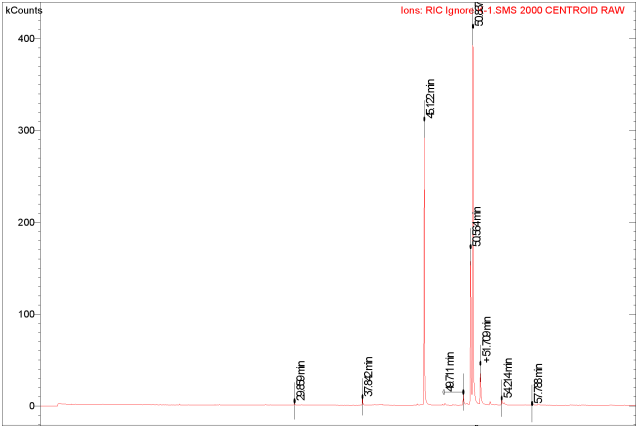
Figure 1 and Table 5 showed the chromatogram and fatty acid profile of Ceiba oil, respectively. Ceiba oil was primarily composed of medium-chain fatty acids, as Tamilselvan et al. had already noted. These include C16: 0 (20.10%), C18: 0 (3.79%), C18: 1 (41.30%) and C18: 2 (32.74%). This oil contained twelve fatty acids, including saturated fatty acids (25.58%) and unsaturated fatty acids (74.35%). Among the saturated fatty acids were nonanoic, suberic, azelaic, myristic, palmitic, margaric, stearic, eicosanoic and behenic acids. The unsaturated fatty acids consisted of palmitoleic, oleic and linoleic acids. Qualitatively, this oil was predominantly composed of unsaturated fatty acids, of which 32.74% were polyunsaturated. It also consisted of 33.2% fatty acids with direct or indirect antioxidant properties (azelaic, palmitoleic and linoleic).
The proportion of saturated fatty acids fell within the range (21.26 to 28.55%) reported in literature , although lower than the (40%) found by these authors. The same was true for polyunsaturated fatty acids which fell within the range (32.9 to 41.43%). In contrast, the unsaturated fatty acids content was higher than that reported by the authors consulted (68.59%); (60%); (60.64%). Rashid et al. identified oleic acid (19.6%) and linoleic acid (39.2%) as the most significant unsaturated fatty acids. As for the results from Anwar et al. in Malaysia, they also indicated as main composition of unsaturated fatty acids: malvalic acid (9.14%), oleic acid (23.24%), sterculic acid (2.58%) and linoleic acid (33.63%). The proportions of the other fatty acids were similar to ours. The observed differences could be explained by climatic and soil variations in the harvest areas. They could also be attributed to the analytical methods used. Indeed, differences in laboratory protocols could cause slight variations in the results obtained.
The results suggested high antioxidant properties for Ceiba oil, given its high content of unsaturated fatty acids. This was further supported by the presence of fatty acids with direct or indirect antioxidant effects. This high content of unsaturated fatty acids also explained the liquid state of this oil at room temperature. Therefore, this oil had significant nutritional and health potential.
Figure 1. Chromatogram for the fatty acid profile for the Ceiba oil extract.
Table 5. Fatty acid profile of Ceiba oil.

Fatty Acid

Content (%)

Nonanoic acid

0.33

Suberic acid

0.18

Azelaic acid

0.15

Myristic acid

0.26

Palmitoleic acid

0.31

Palmitic acid

20.10

Margaric acid

0.11

Linoleic acid

32.74

Oleic acid

41.30

Stearic acid

3.79

Eicosanoic acid

0.49

Behenic acid

0.17

4. Conclusion
The oil obtained from the standard solvent extraction technique was subjected to characterization. We were able to find out the antioxidant properties of the oil and establish the fatty acid profile for the oil. The findings permitted us to conclude that oil from Ceiba kernels was rich in unsaturated fatty acids and polyphenol compounds that comprised the base for its nutritive and therapeutic strength.
Abbreviations

DM

Dry Matter

mg KOH/g Oil

Milligrams of Potassium Hydroxide Per Gram of Oil

FFA

Free Fatty Acid

mgI2/100 g Oil

Milligrams of Diiodine Per One Hundred Grams of Oil

mg EGA/g

Mg Equivalent Gallic Acid Per Gram of Sample

mg EQ/g

Mg Equivalent Quercetine Per Gram of Sample

FAME

Fatty Acid Methyl Esters

ABTS

2,2’-Azino-Bis-(3-Ethylbenzothiazoline-6-Sulfonic Acid)

BHT

Butylated Hydroxytoluene

DPPH

2, 2-Diphenyl-1-Picrylhydrazyl

EDTA

Ethylenediaminetetraacetic Acid

Author Contributions
Musongo Balike: Data curation, Formal Analysis, Methodology, Software, Validation, Supervision, Writing – original draft, Writing – review & editing
Gilles Bernard Nkouam: Conceptualization, Data curation, Investigation, Methodology, Software, Validation, Supervision, Writing – original draft, Writing – review & editing
Desmond Mufor Zy: Formal Analysis, Resources, Writing – original draft, Writing – review & editing
Yuri Paul Motabo: Formal Analysis, Resources, Writing – original draft, Writing – review & editing
Jean Bosco Tchatchueng: Methodology, Software, Validation, Supervision
Conflicts of Interest
The authors declare no conflicts of interest.
References
[1] Anigo, K. M., Dauda, B. M., D., Sallau, A. B., Chindo, I. E. 2013. Chemical Composition of Kapok (Ceiba pentandra) Seed and Physicochemical Properties of its Oil. Niger. J. Basic Appl. Sci. 2013, 21(2), 105-108.
[2] Anderson, K. Nature, Culture, and Big Old Trees: Live Oaks and Ceibas in the Landscapes of Louisiana and Guatemala, University of Texas Press, 2004, 199p.
[3] Wiart, C. Medicinal plants of Asia and the Pacific, CRC Taylor & Francis, 2006, 295p.
[4] Abouelela, M. E., Orabi, M. A. A., Abdelhamid, R. A., Abdelkader, M. S., Madkor, H. R., Darwish, F. M. M., Hatano, T., Elsadek, B. E. M. Ethyl acetate extract of Ceiba pentandra (L.) Gaertn. Reduces methotrexate-induced renal damage in rats via antioxidant, anti-inflammatory, and antiapoptotic actions. J. Tradit. Complement. Med. 2020, 10(5), 478-486.
[5] Afzal, S., Qurashi, A. W., Sarfraz, B., Liaqat, I., Sadiqa, A., Muhtaq, M., Andleeb, S., Ahsan, F. A Comparative Analysis of Antimicrobial, Antibiofilm and Antioxidant Activity of Silver Nanoparticles Synthesized from Erythrina Suberosa Roxb. and Ceiba Pentandra. J. Oleo Sci. 2022, 71(4), 523–533.
[6] Fournet, J. Flore illustrée des phanérogames de Guadeloupe et de Martinique/Illustrated flora of phanerogams of Guadeloupe and Martinique. CIRAD-Ed. Gondwana, vol 2, Montpellier, 2002, 2538p.
[7] Baraniak, J., Kania-Dobrowolska, M. Multi-Purpose Utilization of Kapok Fiber and Properties of Ceiba Pentandra Tree in Various Branches of Industry. J. Nat. Fibers. 2023, 20(1), 1-14.
[8] Chan, E. W. C., Yeong, S. W., Wong, C. W., Soo, O. Y. M., Phua, A. C. Y., Ng, Y. K. Ceiba pentandra (L.) Gaertn.: An overview of its botany, uses, reproductive biology, pharmacological properties, and industrial potentials. J. Appl. Biol. Biotechnol. 2023, 11(1), 1-7.
[9] Nkouam, G. B., Adjoh, G., Tchankou Leudeu, C. B., Kouebou, C., Tchiegang, C., Kapseu, C. Physico-chemical properties of fruits, seed and oil of kapok (Ceiba pentandra Gaertn.) tree of different provenances from the northern part of Cameroon. Int. J. Agric. Innov. Res. 2017a, 6(2), 275-278.
[10] Nguelefack, T. B., Fofie, C. K., Nguelefack-Mbuyo, E. P., Wuyt, A. K. Multimodal α ‐Glucosidase and α ‐Amylase Inhibition and Antioxidant Effect of the Aqueous and Methanol Extracts from the Trunk Bark of Ceiba pentandra. BioMed. Res. Int. 2020, 1-13.
[11] Nelly, J. N., Achille, N. B., Claude, N. J., Junior, M. A., Magloire, B. S., Willifred, T. T. D., Christopher, M. K. J., Prisca, N. O. H., Bernouilli, M. T., Herve, D. O. (2023). Chemical constituents of the methanolic extracts of Ceiba Pentandra (L.) Gaertn and the antioxidant activities of its aqueous, ethanolic and hydro-ethanolic extracts. J. Pharmacogn. Phytochem. 2023, 12(2), 103-118.
[12] Aderogba, M. A., Kapche, G. D., Mabusela, W. T. Isolation and characterization of antioxidative constituents of Ceiba pentandra (Kapok) leaves extract. Nig. J. Nat. Prod. Med. 2013, 17, 86-90.
[13] Ayorinde, J. O., Okonye, E. O. Antioxidant properties and effects of formulation variables on Ceiba pentandra microspheres. Niger. J. Pharm. Res. 2024, 19(1), 1-16.
[14] Olajide, K., Baiyeri, K. P., Ndubuaku, U. M. Nutritional qualities of Kapok (Ceiba pentandra (L.) Gaertn.) in response to fertilizer management. Bio-Research. 2022, 20(3), 1676–1684.
[15] Rashid, U., Knothe, G., Yunus, R., Evangelista, R. L. Kapok oil methyl esters. B&B. 2014, 66, 419-425.
[16] Montcho, P. S., Tchiakpe, L., Nonviho, G., Bothon, F. T. D., Sidohounde, A., Agbangnan Dossa, C. P., Bessieres, D., Chrostowska, A., Sohounhloue, D. C. K. Fatty acid profile and quality parameters of Ceiba pentandra (L.) seed oil: A potential source of biodiesel. J. Pet. Technol. Altern. Fuels. 2018, 9(3), 14-19.
[17] Shah, S. N. Non-edible plant oils as renewable feedstocks for biodiesel production: a comprehensive review. Acad. Green Energy. 2025, 1-23.
[18] Ravi Kiran, C., Madhavi, Y., Raghava Rao, T. Evaluation of Phytochemicals and Antioxidant Activities of Ceiba pentandra (Kapok) Seed Oil. J. Bioanal. Biomed. 2012, 4(4), 068-073.
[19] Ravi Kiran, C., Raghava Rao, T. Lipid Profiling by GC-MS and Anti-inflammatory Activities of Ceiba pentandra Seed Oil. J. Biol. Active Prod. Nature. 2014, 4(1), 62-70.
[20] Anwar, F., Rashid, U., Shahid, S. A., Muhammad, N. Physicochemical and antioxidant characteristics of Kapok (Ceiba pentandra Gaertn.) seed oil. J. Am. Oil Chem. Soc. 2014, 91: 1047-1054.
[21] Nkouam, G. B., Adjoh, G., Leudeu, C. B. T., Kouebou, C., Tchiegang, C., Kapseu, C. (2017b). Local uses of kapok (Ceiba pentandra Gaertn.) Tree from the Northern Part of Cameroon. Int. J. Environ. Agric. Biotech. 2(4), 2214–2219.
[22] Nkouam, G. B., Musongo Balike, Abdou Bouba, A., Tchatchueng, J. B., Kapseu, C., Barth, D. Ethno-Botanical data on Kapok (Ceiba pentandra Gaertn.), Mahogany (Khaya senegalensis), and Neem (Azadirachta indica A. Juss.) from the Far-North Region of Cameroon. Int. J. Hortic. Agric. Food Sci. 2017c, 1(3), 1–5.
[23] AFNOR (Association Française de NORmalisation). Recueil de normes françaises des corps gras graines oléagineuses produits dérivés / Compendium of French standards for fats and oils, 2eme Edition. 1981.
[24] AFNOR (Association Française pour la Normalisation). Produits alimentaires: directives générales pour le dosage de l’azote avec minéralisation selon la méthode de Kjedahl. In Godon B. & Popineau. Guide pratique des céréales. Apria France, 1984, pp 263-266.
[25] Devani, M. B., Shishoo, J. C., Shal, S. A., Suhagia, B. N., 1989. Spectrophotometrical method for determination of nitrogen in Kjeldahl digest. JAOAC, 1989, 72, 953-956.
[26] FAO/WHO (Food and Agriculture Organisation/World Health Organization). Energy and protein requirements, WHO technical reports series, n° 522; FAO nutrition meeting reporting series, n° 52. 1978.
[27] Dubois, M., Gilles, K. A., Hamilton, J. K., Roberts, P. A., Smith, F., 1956. “Colorimetric method for determination of sugars and related substances”. Anal. Chem. 1956, 28(3), 350-356.
[28] UICPA (Union Internationale de Chimie Pure et Appliquée), Méthode d’analyse des matières grasses/Analysis methods of fat matter, sixième édition. International Digest of Health Legislation. 1979, 46(2), 214p.
[29] AOAC, Official Methods of Analysis 15th Edition. Association of Official Analytical Chemist. Washington DC, USA, 1990.
[30] Gao, X., Ohlander, M., Jeppsson, N., Björk, L., Trajkovski, V. Changes in antioxidant effects and their relationship to phytonutrients in fruits of sea buckthorn (Hippophae rhamnoides L.) during maturation. J. Agric. Food Chem. 2000, 48, 1485-1490.
[31] Mimica-Dukic, N. Investigation on secondary biomolecules in some Mentha species. Ph.D. Thesis. University of Novi Sad, 1992.
[32] Siano, F., Straccia, M. C., Paolucci, M., Fasulo, G., Boscaino, F.; Volpe, M. G. Physico-chemical properties and fatty acid composition of pomegranate, cherry, and pumpkin seed oils. J. Sci. Food Agric. 2015, 96, 1730-1735.
[33] Chemsa, A. E., Amar, Z., Mehmet, O., Ebru, E., Ozgür, C., Mehmet, E. D., Mesbah, L. Chemical composition, antioxidant, anticholinesterase, antimicrobial and antibiofilm activities of essential oil and methanolic extract of Anthemisstiparumsub sp. Sabulicola (Pomel) Oberpr, Micro. Pathogen. 2018, 11, 233–240.
[34] Raharimalala, V. Y. Contribution à l’étude des effets de l’incorporation des graines de kapok en alimentation de poulets de chair, Mémoire de fin d’études du diplôme d’ingénieur agronome Spécialisation élevage, Ecole supérieure des sciences agronomiques, Université d’Antananarivo, 2005, 10-40.
[35] Adjei, S., Kyereh, B. Land suitability assessment of some degraded forest reserves and headwaters for the establishment of Ceiba pentandra plantations in the dry semi-deciduous forest in Ghana. J. Ghana Sci. Assoc. 1999, 1(2), 110-124.
[36] Brink, M., Achigan-Dako, E. G. (Editors). Ressources végétales de l'Afrique tropicale 16. Plantes à fibres/Tropical Africa Plant Resources 16. Fiber Plants. Fondation PROTA, Wageningen, Pays-Bas/CTA, Wageningen, Pays-Bas, 2012, 659p.
[37] Narahari, D., Asha Rajini, R. Chemical composition and nutritive value of kapok seed meal for broiler chickens, Br Poult. sci. 2003, 44(3), 505-509.
[38] Soutou, G. Modification du bilan hydrique par les systèmes de culture sur couvert végétal: cas du coton et du sorgho dans l’Extrême-Nord du Cameroun/Changes in water balance by cropping systems on vegetation cover: the case of cotton and sorghum in the Far North of Cameroon. Diplôme d’Agronomie Approfondie, Ecole Nationale Supérieure Agronomique de Montpellier, France, 2004, p100.
[39] Ari, M. M., Barde, E., Ogah, M. D., Yakubu A., Aya, V. E. Performance of Broilers Fed Silk Cotton seed (Ceiba pentendra) Based Diets. PAT. 2011, 7(2), 20-28.
[40] Norfadilah, A., Naim, A. K. M., Shamsi, S. Proximate and Amino Acid Composition of Ceiba pentandra (L.) Gaertn. (Kapok) Seed Kernels and Shells. Sains Malaysiana. 2016, 45(9), 1383-1388.
[41] Codex Alimentarius International Foods Standards. Standard for named vegetable oils. CODEX STAN 210-1999. FAO, WHO, 2015, 13p.
[42] Tamilselvana, R., Thirunavukkarasub, R., Sathishc, D., Karthickmunisamyd, T., Veeramanikandane, M. Biodiesel Production From Ceiba Pentandra Oil And Its Characterization. International Conference on Advanced Computing and Communication Systems (ICACCS -2017). Coimbatore, INDIA, 2017, 889-893.
Cite This Article
  • APA Style

    Balike, M., Nkouam, G. B., Zy, D. M., Motabo, Y. P., Tchatchueng, J. B. (2026). Quality Parameters and Antioxidant Properties of Ceiba Pentandra (L.) Gaertn, from Far North Cameroon. Engineering and Applied Sciences, 11(1), 33-40. https://doi.org/10.11648/j.eas.20261101.15

    Copy | Download

    ACS Style

    Balike, M.; Nkouam, G. B.; Zy, D. M.; Motabo, Y. P.; Tchatchueng, J. B. Quality Parameters and Antioxidant Properties of Ceiba Pentandra (L.) Gaertn, from Far North Cameroon. Eng. Appl. Sci. 2026, 11(1), 33-40. doi: 10.11648/j.eas.20261101.15

    Copy | Download

    AMA Style

    Balike M, Nkouam GB, Zy DM, Motabo YP, Tchatchueng JB. Quality Parameters and Antioxidant Properties of Ceiba Pentandra (L.) Gaertn, from Far North Cameroon. Eng Appl Sci. 2026;11(1):33-40. doi: 10.11648/j.eas.20261101.15

    Copy | Download

  • @article{10.11648/j.eas.20261101.15,
      author = {Musongo Balike and Gilles Bernard Nkouam and Desmond Mufor Zy and Yuri Paul Motabo and Jean Bosco Tchatchueng},
      title = {Quality Parameters and Antioxidant Properties of Ceiba Pentandra (L.) Gaertn, from Far North Cameroon},
      journal = {Engineering and Applied Sciences},
      volume = {11},
      number = {1},
      pages = {33-40},
      doi = {10.11648/j.eas.20261101.15},
      url = {https://doi.org/10.11648/j.eas.20261101.15},
      eprint = {https://article.sciencepublishinggroup.com/pdf/10.11648.j.eas.20261101.15},
      abstract = {The worldwide use of oil from Ceiba pentandra (L.) Gaertn. was also experienced in the Far North region of Cameroon due to its wide spread and abundance in the area. This study aimed at presenting proximate characteristics of the oilseed and its oil that may serve as justification to its gross use especially as traditional medicine and food in the study area. Plant materials harvested from the study area were treated and oil extracted from the kernels. Proximate analyses were carried out as well as the antioxidant tests and fatty acid profiling. The results showed that seeds make up 45.13% of the fruits and had a total lipid content of 22.64%. This oil was rich in polyphenols and flavonoids thus the important IC50 values for antioxidant assays were ABTS 96.27; DPPH 121.12; β carotene 84.63; Metal chelating 81.49 that conferred to the oil the numerous uses observed. This work was innovative in that it presented a comprehensive antioxidant profiling of ceiba pentandra oil from the Far North region of Cameroon. Due to the high amount of unsaturated fatty acids present in the oil, and good antioxidant properties, Ceiba from Cameroon could be marked as rich and good for nutritive and therapeutic consumption.},
     year = {2026}
    }
    

    Copy | Download

  • TY  - JOUR
    T1  - Quality Parameters and Antioxidant Properties of Ceiba Pentandra (L.) Gaertn, from Far North Cameroon
    AU  - Musongo Balike
    AU  - Gilles Bernard Nkouam
    AU  - Desmond Mufor Zy
    AU  - Yuri Paul Motabo
    AU  - Jean Bosco Tchatchueng
    Y1  - 2026/01/29
    PY  - 2026
    N1  - https://doi.org/10.11648/j.eas.20261101.15
    DO  - 10.11648/j.eas.20261101.15
    T2  - Engineering and Applied Sciences
    JF  - Engineering and Applied Sciences
    JO  - Engineering and Applied Sciences
    SP  - 33
    EP  - 40
    PB  - Science Publishing Group
    SN  - 2575-1468
    UR  - https://doi.org/10.11648/j.eas.20261101.15
    AB  - The worldwide use of oil from Ceiba pentandra (L.) Gaertn. was also experienced in the Far North region of Cameroon due to its wide spread and abundance in the area. This study aimed at presenting proximate characteristics of the oilseed and its oil that may serve as justification to its gross use especially as traditional medicine and food in the study area. Plant materials harvested from the study area were treated and oil extracted from the kernels. Proximate analyses were carried out as well as the antioxidant tests and fatty acid profiling. The results showed that seeds make up 45.13% of the fruits and had a total lipid content of 22.64%. This oil was rich in polyphenols and flavonoids thus the important IC50 values for antioxidant assays were ABTS 96.27; DPPH 121.12; β carotene 84.63; Metal chelating 81.49 that conferred to the oil the numerous uses observed. This work was innovative in that it presented a comprehensive antioxidant profiling of ceiba pentandra oil from the Far North region of Cameroon. Due to the high amount of unsaturated fatty acids present in the oil, and good antioxidant properties, Ceiba from Cameroon could be marked as rich and good for nutritive and therapeutic consumption.
    VL  - 11
    IS  - 1
    ER  - 

    Copy | Download

Author Information