Research Article | | Peer-Reviewed

Dietary Diversity and Associated Factors Among Pregnant Women in Lemo Woreda, Hadiya Zone, Central Ethiopia: Comparative Cross-Sectional Study

Received: 13 December 2025     Accepted: 26 December 2025     Published: 20 January 2026
Views:       Downloads:
Abstract

During pregnancy, a woman needs good nutrition for a healthy birth outcome. Besides, the need for nutrients dramatically increases more during pregnancy than at any other stage in the woman’s life. However, nutrient deficiencies and imbalanced dietary intake occur during the reproductive period in urban and rural women in both developing and developed nations. Nevertheless, there is a lack of information on dietary diversity among urban and rural pregnant women in Ethiopia. Therefore, this study was designed with the objectives of comparing the dietary diversity among pregnant women between urban and rural areas, and to identify associated factors in Lemo Woreda, Hadiya Zone, Central Ethiopia. A community-based comparative cross-sectional study was conducted on 429 pregnant women in urban and rural areas of Lemo Woreda, Hadiya Zone in July 2021. The collected data was entered in Epi data version 3.1, and exported to SPSS version 20 for analysis. Binary and multivariable logistic regression analyses were conducted to identify factors associated with the dietary diversity practice of pregnant mothers. P-value ≤0.05 was considered as statically significant. The proportion of pregnant women who had adequate dietary diversity practice was 35.9%. There was no statistical difference between urban and rural pregnant women in dietary diversity practice. Age (AOR=0.44, 95% CI: 0.20-0.98), family size (AOR=1.886, 95%CI: 1.094-3.250), occupation (AOR=3.30, 95%CI: 1.002-10.873) and household food security (AOR=5.0, 95%CI: 2.919-8.594) independently predicted dietary diversity practice. The prevalence of adequate dietary diversity among pregnant women was low. Therefore, interventions on household food security, women's occupations, and promoting family planning may improve the dietary diversity among pregnant women in the study areas.

Published in International Journal of Food Science and Biotechnology (Volume 11, Issue 1)
DOI 10.11648/j.ijfsb.20261101.12
Page(s) 8-21
Creative Commons

This is an Open Access article, distributed under the terms of the Creative Commons Attribution 4.0 International License (http://creativecommons.org/licenses/by/4.0/), which permits unrestricted use, distribution and reproduction in any medium or format, provided the original work is properly cited.

Copyright

Copyright © The Author(s), 2026. Published by Science Publishing Group

Keywords

Dietary Diversity, Hadiya Zone, Lemo Woreda, Pregnant Women, Central Ethiopia, Urban and Rural Areas

1. Introduction
Pregnancy is regarded as one of the most crucial stage in the life of pregnant women which requires utmost attention, care and support. It is a period of rapid growth and cell differentiation. Therefore, an adequate dietary intake during these periods can highly affect the birth outcome . During pregnancy, a woman needs a good nutrition for a healthy birth outcome. Besides, the need for nutrients dramatically increases more during pregnancy than any other stage in the woman’s life . Additional nutrients are vital during gestation for development of the fetus as well as for growth of maternal tissues that support fetal development but the required supplies depend on supply from the maternal diet .
Pregnancy is a physiologically demanding period characterized by rapid fetal growth, hormonal changes, and significant nutritional requirements. Adequate maternal nutrition during this critical window plays a pivotal role in ensuring favorable pregnancy outcomes, supporting fetal development, and maintaining maternal health. It is well established that nutrient needsparticularly for energy, protein, and micronutrients substantially increase during pregnancy, with a woman requiring an estimated 85,000 additional calories over the course of gestation .
In low- and middle-income countries (LMICs), including Ethiopia, many pregnant women face multiple barriers to achieving adequate dietary intake. These include poverty, food insecurity, cultural taboos, limited access to health services, and low awareness of optimal nutrition. Consequently, many women rely on monotonous diets primarily composed of staple grains or tubers, which are inadequate in essential micronutrients such as iron, calcium, vitamin A, and zinc deficiencies that have been linked to maternal anemia, low birth weight, preterm delivery, and intrauterine growth restriction .
Dietary diversity defined as the number of different food groups consumed over a reference period has emerged as a simple and effective indicator of dietary quality and micronutrient adequacy. The Food and Agriculture Organization (FAO) recommends using the Minimum Dietary Diversity for Women (MDD-W) as a proxy measure to assess micronutrient sufficiency among women of reproductive age. Low dietary diversity is strongly associated with poor pregnancy outcomes and maternal undernutrition, which continues to be a major contributor to maternal morbidity and mortality globally .
In Ethiopia, despite national nutrition strategies targeting pregnant and lactating women through programs such as the National Nutrition Program (NNP), evidence suggests that dietary habits during pregnancy often do not improve. In fact, some women deliberately reduce food intake to avoid having large babies, a practice referred to as "eating down," which has been documented in several regions of the country . A recent study found that only 10.2% of Ethiopian women achieved a high dietary diversity score (DDS > 6), while 98.3% consumed monotonous diets .
Pregnancy is the utmost nutritionally demanding period in a woman’s life; thus, pregnant women are advised to eat more diversified diet than usual; consumption of meat, fish, fruits and some vegetables during pregnancy despite some region remained lower than the pre-pregnancy period, a number of food misconceptions related to consumption of green leafy vegetables, yogurt, cheese, sugar cane and green pepper food items adversely affect nutritional status during pregnancy in Ethiopia .
Almost all (99%) of maternal deaths annually occur in developing countries , where many of the cases have a link with poor nutrition. Recently, the agenda of maternal and child health has been given higher emphasis in Ethiopia; and nutrition interventions like national nutrition program (NNP) are among the possible means to avert the problem; and pregnant and lactating women, are the target groups of NNP of the Ministry of Health of Ethiopia
Geographical disparities particularly between urban and rural areas further complicate maternal nutritional outcomes. Urban women may have better access to diverse foods and health information, whereas rural women often face heightened nutritional vulnerability due to socioeconomic and cultural constraints. However, evidence on these disparities remains limited, especially in Central Ethiopia.
Therefore, this study aims to assess and compare dietary diversity and its associated factors among pregnant women in urban and rural settings of Lemo Woreda, Hadiya Zone, Central Ethiopia. By identifying context-specific determinants, the findings of this study will inform targeted interventions to improve maternal nutrition and support safe motherhood in similar settings.
2. Materials and Methods
2.1. Study Area and Targeted Population
This study was conducted in Hadiya Zone, central Ethiopia. The zone is located 232 km to the southwest of Addis Ababa, Ethiopia. The zone is situated between the western rift valley of the Gibe river drainage catchment, specifically the 7 degrees 45’ north and 38 degrees 28’ eastern part of the equator. Over two thirds of the zone lies in the temperate or traditionally ‘Woina-dega’ agro-climatic zone. The town is elevated between 2140m and 2380m above sea level. The common foods of the population in the town are wheat and teff . The total population the zone is 1,471,089 (743,341 female). About 89% of the population lives in rural setting, but only 10.7% in urban areas. The zone has one comprehensive specialized teaching Hospital three primary hospitals, 61 health centers and 305 health posts.
Lemo Woreda is divided into 35 rural kebeles and Hosanna tawn. There are 7-governmental health centers. The total population in the Woreda is 227237 (52946) females within the age of 15-49 years (23.3%) and 7862 expected pregnant women (15%) (Hadiya Zone Health bero, 2022). So the study target population was all pregnant women in the Woreda.
2.2. Study Design and Period
A community-based comparative cross sectional study was conducted in urban and rural areas of Lemo Woreda of Hadiya Zone in July 2023.
2.3. Study Population
The study population was randomly selected pregnant women from a targeted population in Lemo Woreda, Hadiya Zone, Central Ethiopia.
2.4. Inclusion and Exclusion Criteria
All pregnant women those lived for at least 6 months in the study areas (self-reported) was included. Pregnant women who were severely sick and unable to speak at the time of data collection were excluded from this study.
2.5. Sample Size Determination
An adequate sample size of 429 was computed using two population formula, and considering p1 and p2 of 36.6% and 20%, respectively, 95% confidence interval, 80% power, 5% compensation for non-response rate and design effect of 1.5 (Table 1).
n= Z1-α/2+Z1-β2P11-P+P21-P1P1-P22
Where, n = sample size
p1= Prevalence of adequate DDS among women who had ANC visit = 36.6% , p2= Prevalence of adequate DDS among women who did not have ANC =20.2% .
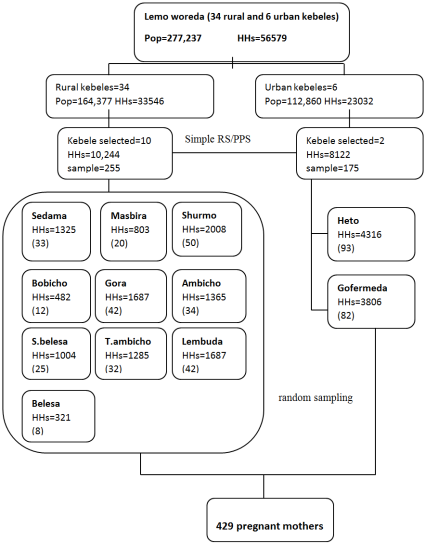
Figure 1. Schematic Representation of Sampling Procedure.
Table 1. Sampling Size Determination for Associated Factors Of dietary Diversity Practice in Pregnant Women from Urban and Rural Areas of Lemo Woreda of Hadiya Zone, Central Ethiopia.

Variables

DDP No

DDP Yes

CI

Power

1:1 Ratio

OR

Total Sample size

Source

ANC visit

20.2%

36.6

95%

80

1:1

2.8

260

Educational status

15.8%

48.9

95%

80

1:1

5.0

72

Nutrition information

12%

57.7%

95%

80

1:1

4.8

40

2.6. Sampling Procedure
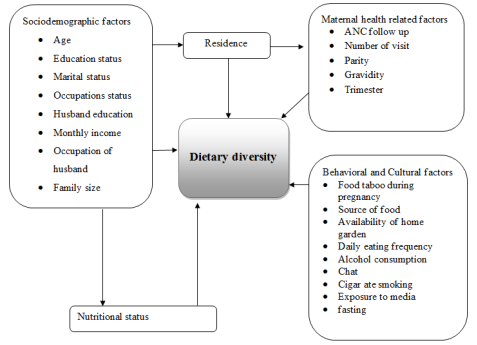
The sampling procedure is described in Figure 1. Additionally, the conceptual framework outlining the hypothesized relationships between dietary diversity and its associated factors is presented in Figure 2. In Lemo Woreda, 30% of the kebeles 10 rural and 2 urban were selected using simple random sampling. The sample size was then proportionally allocated to each selected kebele using the Probability Proportional to Size (PPS) method. A sampling frame of pregnant women was obtained from the family folders at health posts, and households were selected using simple random sampling techniques.
2.7. Study Variables
2.7.1. Dependent Variables
Dietary diversity.
2.7.2. Independent Variables
Figure 2. Conceptual Framework of Factors Associated with Dietary Diversity in Pregnant Women (Synthsized Based on Literature).
2.8. Operational Definitions
Dietary diversity is defined as the number of different foods or food groups consumed over a given reference period .
Dietary diversity score is the number of food groups consumed by pregnant women out of the ten food groups and computed by summing up the number of food groups consumed over 24-hour period .
Adequate dietary diversity: When pregnant women consume five or more food groups over the last 24 hours .
Family size: The total number of people living in a house during the study period .
Household food insecurity: Household food insecurity was measured using the Household Food Insecurity Access Scale (HFIAS) developed by FANTA, comprising nine items that assess food access across three domains. Responses were coded from 1 (never) to 4 (often). Households reporting any of the nine conditions as “rarely,” “sometimes,” or “often” were classified as food insecure, except when only question one was answered “rarely” and all others “never,” in which case they were considered food secure.
Wealth index is computed using principal component analysis (PCA) based on household ownership of assets such as land, livestock, and durable goods. Households were categorized into poor, middle, and rich based on their standardized asset scores.
2.9. Data Collection Tools and Procedures
Data were collected using a structured, interviewer-administered questionnaire and a 24-hour dietary recall, adapted from FAO dietary diversity guidelines and the MDD-W indicator. The questionnaire included ten food groups and seven sections: (1) sociodemographic characteristics, (2) maternal health-related variables, (3) food sources and 24-hour recall, (4) media exposure, (5) household food insecurity (HFIAS), and (6) nutritional status (MUAC).
Data collection was done on non-fasting, non-holy days through house-to-house visits by trained diploma-level health professionals. The 24-hour recall captured all foods and drinks consumed the previous day. MUAC was measured on the left arm, without clothing, to the nearest 0.1 cm, and taken twice for accuracy.
A pre-test was conducted on 5% of the sample in East Badawacho and Shone town, with revisions made accordingly. Four clinical nurses collected data, supervised by two public health professionals and the principal investigator. All were trained for one day. Daily supervision and checks ensured accuracy and completeness. The questionnaire was translated to Amharic and back to English to ensure consistency.
2.10. Data Analysis
After data collection, each questionnaire was checked for completeness and consistency, then cleaned, coded, and entered into EpiData version 3.1 and exported to SPSS version 25 for analysis. Descriptive statistics, including frequency tables, graphs, and summaries, were used to describe the data. In bivariate analysis, each independent variable was entered individually to assess its association with the dependent variable. Variables with a p-value less than 0.25 in bivariate logistic regression were included in the multivariable logistic regression model to control for confounders. A forward selection method was used in the multivariable analysis. Odds ratios with 95% confidence intervals were calculated to assess the strength of associations. A p-value of less than 0.05 was considered statistically significant. Model fitness was evaluated using the Hosmer-Lemeshow goodness-of-fit test.
3. Results
3.1. Demographic and Socioeconomic Characteristics
A total of 429 pregnant women participated in this study with a response rate of 100%. Of the total participants, 39.9% were from urban areas, while 60.1% were from rural areas. The mean age of participants was 2.16 with SD of 0.960. Regarding educational status, 26.3% of urban participants completed college. However, 17.1% of the women who are unable to read and write were from rural areas. Sixty-eight percent of the respondents from rural areas were housewives, but 24% of urban women are government employees. The majority of the respondents were from protestant religions, with 69.6% and 61.6% from urban and rural areas respectively. According to our study, the wealth index of urban people was 31%, 40.4% and 28.7% for low, medium and high, respectively. Most of the respondents live in food-insecure households, the majority being from rural areas (81.8%) (Table 2).
Table 2. Socio-Demographic and Economic Characteristics of Pregnant Women in Lemo Woreda, Hadiya Zone, Central Ethiopia, July 2021.

Variables

Category

Residence

Urban N (%)

Rural N (%)

Religion

Protestant

119 (69.6)

159 (61.6)

Muslim

18 (10.5)

53 (20.5)

Catholic

3 (1.8)

13 (5)

Orthodox

31 (18.1)

33 (12.8)

Ethnicity

Hadiya

105 (61.4)

159 (61.6)

Kembata

14 (8.2)

27 (10.5)

Siltea

20 (11.7)

51 (19.8)

Gurage

14 (8.2)

5 (1.9%)

Others

18 (10.5)

16 (6.2)

Educational level of the women

Illeterate

5 (2.9)

44 (17.1)

Read and write

12 (7)

35 (13.6)

Primary

45 (26.3)

78 (30.2)

Secondary

64 (37.4)

64 (24.8)

Collage and above

45 (26.3)

37 (14.3)

Educational level of husband

Illeterate

12 (7)

31 (12)

Read and write

8 (4.7)

40 (15.5)

Primary

30 (17.5)

47 (18.2)

Secondary

54 (31.6)

77 (29.8)

Collage and above

67 (39.2)

63 (24.4)

Occupation of woman

Housewife

87 (50.9)

177 (68.6)

Daily labor

6 (3.5)

11 (4.3)

Merchant

24 (14)

30 (11.6)

Private employee

13 (7.65)

11 (4.3)

Government employee

41 (24)

29 (4.3)

Occupation of husband

Daily labor

15 (8.8)

90 (34.9)

Merchant

18 (10.5)

16 (6.2)

Private employee

72 (42.1)

86 (33.3)

Government employee

55 (32.2)

51 (19.8)

Others specify

11 (6.4)

15 (5.8)

Family size

1-3

48 (28.1)

45 (17.4)

4-6

65 (38)

100 (38.8)

>=7

58 (33.9)

113 (43.8)

Age category

<20

47 (27.5)

80 (31)

21-30

59 (34.5)

91 (35.3)

31-40

42 (24.6)

68 (26.4)

>40

23 (13.5)

19 (7.4)

Wealth index

Low

53 (31)

112 (43.4)

Medium

69 (40.4)

91 (35.3)

High

49 (28.7)

55 (21.3)

HHFI

Food secure

49 (28.7)

47 (18.2)

Food insecure

122 (71.3)

(81.8)

3.2. Obstetrics Characteristics of Respondents
More than half of respondents (55.8%) from rural areas were on their first pregnancy during the study. Regarding anemia, 43.8% of pregnant women from rural areas were anemic, which is 43.3% for urban areas. Nearly an equal proportion of women from urban and rural areas were not following the ANC visit, with 34.5% and 38.4% respectively. However, iron supplementation was not given to 60.2% of urban and 63.2% of rural pregnant women. Regarding the history of abortion and preterm delivery, 15.1% of abortions took place in rural women and preterm delivery was also high in rural women’s by 5% (Table 3).
Table 3. Obstetrics Characteristics of Pregnant Women in Lemo Woreda, Hadiya Zone, Central Ethiopia, July 2021.

Variables

Category

Residence

Urban N (%)

Rural N (%)

Gravidity

Prim gravida

121 (70.8)

144 (55.8)

Multigravida

45 (26.3)

100 (38.8)

Grand gravida

5 (2.9)

14 (5.4)

Parity

Null parity

101 (84.9)

146 (68.5)

Prime-parity

17 (14.3)

63 (29.6)

Multi parity

19 (0.8)

4 (1.9)

Gestational age

Frist trimester

6 (3.5)

12 (4.7)

Second trimester

99 (57.9)

167 (64.7)

Third trimester

66 (38.6)

79 (30.6)

Anemic in current pregnancy

Yes

74 (43.3)

113 (43.8)

Did ANC visit

Yes

112 (65.5)

159 (61.6)

Place of ANC follow up

Hospital

65 (38)

60 (23.3)

Health center

44 (25.7)

108 (41.9)

Health post

3 (1.8)

3 (1.2)

Private clinic

20 (11.7)

13 (5)

No follow up

39 (22.8)

74 (28.7)

Frequency of ANC visit

One times

25 (14.6)

55 (21.3)

Two times

38 (22.2)

52 (20.2)

Three times

28 (16.4)

51 (19.8)

Four times and more

23 (13.5)

25 (9.7)

No follow up

57 (33.3)

75 (29.1)

Recieved iron supplement

Yes

68 (39.8)

95 (36.8)

History of chronic disease

Yes

14 (8.2)

14 (5.4)

History of abortion

Yes

30 (17.5)

39 (15.1)

History of preterm delivery

Yes

6 (3.5)

13 (5)

Obtained nutritional counseling

Yes

24 (14)

(16.7)

3.3. Dietray Intake and Sources
From the table below, for more than 48.8% of rural women, their source of food was from their own production. Similarly, 46.9 percent of rural women have home gardens. However, regarding the pattern of food, 52.7% of urban women had three to five meals per day. Alcohol drinking habits are low in both urban and rural women; 2.9% and 3.1% respectively. Similarly, coffee consumption immediately after a meal is high in both urban and rural women; 69.6% and 69.8% respectively. Nearly 50.9% urban and 46.5% rural of the respondents had avoided certain foods during pregnancy due to fear of big baby, cultural unacceptability and due to unknown reasons (Table 4).
Table 4. Deitary Intake and Sources Among Pregnant Women from Lemo Woreda, Hadiya, Central Ethiopia, July 2021.

Variables

Category

Residence

Urban

N (%)

Rural

N (%)

Sources of food

Own production

21 (12.3)

126 (48.8)

Purchase

150 (87.7)

127 (49.2)

Relief

0 (0)

5 (1.9)

Home garden

Yes

36 (21.9)

121 (46.9)

No

135 (78.9)

137 (53.4)

Eating pattern

≤ 2 times/day

71 (41.5)

122 (47.3)

3-5 times/day

100 (58.5)

136 (52.7)

Drunk alcohol in the last 7-days

Yes

5 (2.9)

8 (3.1)

No

166 (97.1)

250 (96.9)

Drink coffee/tea immediately after meal

Yes

119 (69.6)

180 (69.8)

No

52 (30.4)

78 (30.2)

Chewing chat

Yes

5 (2.9)

4 (1.6)

No

166 (97.1)

254 (98.4)

Smoking

Yes

1 (0.6)

1 (100)

No

170 (99.4)

257 (99.6)

Any food taboo for pregnant women

Yes

87 (50.9)

120 (46.5)

No

84 (49.1)

138 (53.5)

3.4. Comparison of Dietary Diversity Between Rural and Urban Settings
With respect to the consumption of foods by respondents based on food groups, the most frequently eaten foods in both urban and rural women were dark green leafy vegetables (62% and 59.7%), followed by other vegetables (47.4% and 49.2%). Also, foods with vitamin contents were also largely consumed (54.4% and 45.3% in urban and rural areas respectively). In particular, foods of animal origin, like meat, milk and eggs, were least consumed in both urban and rural women (Table 5). Consumption of meat, egg, milk and milk products is higher in urban areas. However, green leafy vegetables are highly consumed by rural women. The mean dietary diversity score among pregnant women was 6.4 (SD of 1.59). Based on the recognized food groups, more than 60% of the respondents from urban and (66.7%) from rural areas had a poor dietary diversity score (≤5 food groups) and 39.8 from urban and 33.3% from rural areas had a good dietary diversity score (≥5 food groups). An independent sample test was performed to see whether there was a difference in consumption of food groups. From the analysis, it was found that consumption of eggs, meat and fish showed a significant mean difference between rural and urban areas (Table 5).
Table 5. Food Group Consumption Among Pregnant Women from Lemo Woreda, Hadiya, Central Ethiopia, July 2021.

Food groups consumed

Residence

p-value

Urban N (%)

Rural N (%)

Grains, white roots and tubers, and plantains

78 (45.6)

120 (46.5)

0.856

Pulses (beans, peas and lentils)

55 (32.2)

48 (18.6)

0.001*

Nuts and seeds

106 (62)

154 (59.7)

0.634

Dairy

60 (35.1)

100 (38.8)

0.442

Meat, poultry and fish

93 (54.4)

117 (45.3)

0.067

Eggs

72 (42.1)

97 (37.6)

0.351

Dark green leafy vegetables

30 (17.5)

38 (14.7)

0.436

Other vitamin A-rich fruits and vegetables

31 (18.1)

19 (7.4)

0.001*

Other vegetables

81 (47.4)

127 (49.2)

0.707

Mean WDDS

0.3977

0.333

Adeqaute DDS

68 (39.8)

86 (33.3)

0.175

The independent sample t test, *p <0.05- for the difference between urban and rural settings.
3.5. Factors Associated with Dietary Diversity
The multivariable analysis showed that the occupational status of women, HHFI, family size, and age category were significantly associated with the dietary diversity of pregnant women (Table 6). From the multivariable analysis, age is one of the variables which showed a significant association with women’s dietary diversity. Pregnant women at less than 20 years of age are 56% (AOR=0.44, 95% CI: 0.20-0.98) less likely to have adequate dietary diversity than women above 40 years of age. Family size is also significantly associated with pregnant women’s dietary diversity. Pregnant women who have a family size of 4-6 are 1.88 times (AOR=1.88, 95% CI: 1.09-3.25) more likely to have adequate dietary diversity as compared to pregnant women with more than seven family sizes. Occupational status of women and household food insecurity also showed a significant association with women’s dietary diversity. Government employees are 3.3 times more likely to have adequate dietary diversity than private employees (AOR=3.30.95% CI: 1.01-10.87) and pregnant women living in food-secure households are 5 times more likely to have adequate dietary diversity than their counterparts (AOR=5.0.95% CI: 2.91-8.59) (Table 6).
Table 6. Factors Associated with Poor Dietary Diversity Among Pregnant Women in Lemo Woreda, Hadiya, Central Ethiopia, July 2021.

Independent variables

WDDS

COR (95% CI)

AOR (95% CI)

P-value

Adequate

Inadequate

N (%)

N (%)

Educational status of women

Illiterate

17 (11.0)

32 (11.6)

1.21 (0.57, 2.57)

0.83 (0.26, 2.57)

0.97

Read and write

16 (10.4)

31 (11.3)

1.17 (0.55, 2.53)

0.88 (0.29, 2.62)

0.65

Primary

47 (30.5)

76 (27.6)

1.41 (0.78, 2.56)

0.74 (0.29, 1.88)

0.28

Secondary

49 (31.8)

79 (28.7)

1.41 (0.79, 2.56)

0.80 (0.34, 1.89)*

0.60

Higher level

25 (16.1)

57 (20.7)

1

1

Occupation of the husband

Daily laborer

35 (22.7)

70 (25.5)

2.10 (0.73, 6.04)

2.07 (0.60, 7.17)

0.25

Merchant

14 (9.1)

20 (7.3)

2.94 (0.89, 9.67)

2.34 (0.58, 9.39)

0.23

Private

67 (43.5)

91 (33.1)

3.09 (1.11\, 8.62)*

2.45 (0.78, 7.73)

0.12

Government

33 (21.4)

73 (26.5)

1.89 (0.66-5.47)

2.31 (0.69-7.69)

0.172

Others

5 (3.2)

21 (7.6)

1

1

Age category

<20 years

38 (24.7)

89 (32.4)

0.35 (0.17, 0.72)*

0.44 (0.20, 0.98)*

0.04

21-30 years

61 (39.6)

89 (32.4)

0.57 (0.28, 1.13)

0.79 (0.36, 1.72)

0.52

31-40 years

32 (20.8)

78 (28.4)

0.34 (0.16, 0.71)*

0.57 (0.24, 1.31)

0.17

>40 years

23 (14.9)

19 (6.9)

1

1

Family size

1-3

36 (23.4)

57 (20.7)

1.49 (0.87, 2.53)

1.45 (0.76, 2.78)

0.24

4-6

67 (43.5)

98 (35.6)

1.61 (1.02, 2.53)*

1.89 (1.09, 3.25)*

0.43

>7

51 (33.1)

120 (43.6)

1

1

MUAC

Undernourished

64 (41.6)

101 (36.7)

1.225 (0.82-1.83)

1.083 (0.68-1.73)

0.74

Normal

90 (58.4)

174 (63.3)

1

1

Husband's educational status

Illiterate

14 (9.1)

29 (10.5)

1.17 (0.56, 2.45)

1.24 (0.41, 3.73)

0.07

Read and write

22 (14.3)

26 (9.5)

2.05 (1.04, 4.05)*

2.52 (0.93, 6.84)

0.26

Primary level

32 (20.8)

45 (16.4)

1.72 (0.95, 3.11)

1.65 (0.6, 3.25)

0.34

Secondary level

48 (31.2)

83 (30.2)

1.40 (0.83, 2.35)

1.21 (0.74, 3.25)

0.38

Higher

38 (24.7)

92 (33.5)

1

1

Residence

Urban

68 (44.2)

103 (37.5)

0.76 (0.51, 1.13)

1.21 (0.74, 1.98)

0.44

Rural

86 (55.6)

172 (62.5)

1

Occupation status of women

Housewife

98 (63.6)

166 (60.4)

1.71 (0.94, 3.08)

2.05 (0.80, 5.25)

0.13

Daily laborer

6 (3.9)

11 (4)

1.58 (0.51, 4.88)

1.39 (0.30, 6.36)

0.67

Merchant

21 (13.6)

33 (12)

1.84 (0.86, 3.95)

1.74 (0.57, 5.32)

0.33

Government

11 (7.1)

13 (4.7)

2.44 (0.93, 6.42)*

3.30 (1.00, 10.87)*

0.05

Private

18 (11.7)

52 (18.9)

1

1

ANC visit

1 time

22 (14.3)

58 (21.1)

0.79 (0.43, 1.45)

1.02 (0.52, 1.99)

0.96

2 times

36 (23.4)

54 (19.6)

1.38 (0.79, 2.41)

1.35 (0.71, 2.55)

0.35

3 times

37 (24.0)

42 (15.3)

1.82 (1.03, 3.23)*

1.79 (0.92, 3.49)

0.08

≥ 4 times

16 (10.4)

32 (11.6)

1.04 (0.51, 2.09)

1.06 (0.48, 2.35)

0.89

No follow up

43 (27.9)

89 (32.4)

1

1

HHFI

Food secured

63 (40.9)

33 (12)

5.08 (3.13, 8.25)

5.01 (2.92, 8.59)**

0.001

Food insecured

91 (59.1)

242 (88)

1

1

**p- value ≤0.05
4. Discussion
Adequate knowledge of dietary diversity among pregnant women is essential, as it influences the nutritional status and health of both mother and fetus. This study aimed to compare dietary diversity and its associated factors among rural and urban pregnant women in Lemo Woreda, Hadiya Zone, Central Ethiopia.
This study determined that only 35.9% of pregnant women were obtaining adequate dietary diversity, while the remaining majority were inadequate. However, this figure was found to be better than the one reported from West Gojjam (19.9%) . Also, the present DDS is better than another one reported from Shashemene, Oromia Region of Ethiopia (25.4%) . However, it is lower than the report from Dessie town, northeastern Ethiopia, where the diet (45.2%) . The present DDS is also lower compared with the Malaysian pregnant women where 74% had adequate DDS . The observed discrepancy may be due to the variations in data collection seasons, agro-ecology, socioeconomic and livelihood activities across the studies compared.
Regarding the factors associated with DDS, we found that age had an association with DDS, with women below the age of 20 years being 56% less likely (AOR=0.44, 95% CI: 0.20-0.98) to obtain adequate dietary diversity compared with a woman over 40 years old. This finding is supported by a study conducted in Nigeria . This might be attributable to the fact that older women have more experience, and better economic stability. In contrary the study conducted in the Ambo district of Oromia Region in Ethiopia revealed that women who are above 36 years of age are less likely to have adequate dietary diversity than women who are below 26 years . This difference could be explained by the fact that the sample size of the current study is larger, and the agro-ecologies are varying. Moreover, variation in dietary culture and food taboos could be another justification.
Another factor that was found to be associated with the DDS of pregnant women was family size. A woman living in a family size of 4-6 was 1.88 times more likely (AOR=1.88, 95%CI: 1.094-3.250) to have adequate dietary diversity than a person from a family with >7 members. This finding is in agreement with the prior ones from Mettu town and Guto Gida Woreda, East Wollega zone, Ethiopia . The reason could be food sharing among extended family members, and the fact that father and children served first, and then women in some communities in Central Ethiopia. Our finding is supported by others from Illu Aba Bor Zone, Southwest Ethiopia, which reported higher odds of undernutrition in pregnant women from a large family size (≥5 members) .
The present study revealed that the occupation of pregnant women has a significant association with their dietary diversity (AOR=3.30, 95%CI: 1.02-10.87). This result is supported by several research reports from abroad and in the country. For example, a previous study by Misha Woreda in Central Ethiopia reported that occupation was a significant factor for dietary diversity in pregnant women . Researchers from Raya Azebo Zone, Tigray Region, Ethiopia and Injibara General Hospital, Northwest Ethiopia reported similar findings. However, the study from Injibara, Ethiopia concluded that merchant pregnant women have less chance to have adequate dietary diversity , which is similar to the study from Alamata, Ethiopia . Besides, a research study conducted in Laikipia County, Kenya reported that those women who had jobs had greater odds of attaining minimal dietary diversity as compared to the non-employed . The reason might be that those women engaged in government work may be more accessible to nutrition information. Moreover, they could have better economic accessibility to animal-sourced foods, which increases the DDS.
Regarding food insecurity, pregnant women living in food-secure households are 5 times more likely to have adequate dietary diversity than their counterparts (AOR=5.0, 95%CI: 2.919-8.594 This is supported by the report from Raya Azebo Zone, Tigray Region, Ethiopia . Similarly, in the qualitative study, the predominant reasons for inadequate maternal diet were absence and inaccessibility of food stuffs . As food security worsens, fresh fruit and vegetable availability decreases, which is associated with the lower intake . Similar observations on the impact of food security on dietary diversity were also made in a study done in Rural Bangladesh . This may be due to the fact that one of the major outcomes of household food insecurity is that in families it changes the way of food consumption as well as dietary diversity.
This study has several strengths and a few limitations. The first one is that this is a comparative cross-sectional study. Secondly, the target group is pregnant women who are at risk of undernutrition. Thirdly, we compared rural and urban settings which were not done before. However, there was a possibility for recall bias and memory lapse with the 24-hour recall dietary assessment method.
5. Conclusion and Recommendations
5.1. Conclusion
This study demonstrated a substantial burden of inadequate dietary diversity among pregnant women in both rural and urban areas of Lemo Woreda, Hadiya Zone, Central Ethiopia. Although the overall mean dietary diversity score exceeded the minimum threshold, only 35.9% of participants achieved adequate dietary diversity, indicating widespread nutritional vulnerability. Rural residents were more affected, reflecting disparities in food access and socioeconomic conditions.
Multivariable analysis revealed that women's age, occupational status, family size, and household food insecurity were significant predictors of dietary diversity. Younger women, those in food-insecure households, and those with larger families were at increased risk of inadequate dietary intake. Conversely, women employed in government sectors were more likely to achieve adequate dietary diversity, suggesting that employment and access to nutrition information may positively influence maternal nutrition.
These findings underscore the urgent need for comprehensive and targeted interventions to improve maternal dietary diversity and nutritional status during pregnancy. The observed urban–rural differences call for location-specific strategies that address underlying structural and behavioral factors affecting food choices and availability.
5.2. Recommendations
Based on the findings of this study, the Hadiya Zone Health Department should promote family planning programs to help families manage their size according to their economic capacity. Collaboration with other sectors is essential to empower women economically by facilitating their access to jobs and income-generating activities. The health department should also work with the agricultural office to improve household food security by promoting fruit and vegetable production as well as small animal and poultry rearing to enhance animal-source food consumption. Nutrition education for pregnant women needs to be strengthened.
At the woreda level, the Lemo Woreda Health Office should support community-based promotion of dietary diversity through practical demonstrations by community health workers. Promotion of urban agriculture, backyard gardening, and linkage with safety net programs is also recommended.
Health care providers in maternal and child health clinics should focus on improving dietary diversity through nutrition education and family planning services, giving special attention to younger women. Regular follow-up on dietary practices and educating pregnant women on the benefits of adequate dietary diversity for both mother and fetus should be sustained. Finally, further research, including longitudinal and qualitative studies, is recommended to explore additional factors affecting dietary diversity, seasonal variations, and their impacts on pregnancy outcomes.
Abbreviations

ANC

Ante Natal Care

AOR

Adjusted Odds Ratio

BMR

Basal Metabolic Rate

COR

Crude Odds Ration CSA:

CI

Confidence Interval

CVD

Cardiovascular Disease

DD

Dietary Diversity

DDS

Dietary Diversity Score

EDHS

Ethiopian Demographic and Health Survey

EPI INFO

Epidemiological Information

FAO

Food and Agriculture Organization

HFIAS

Household Food Insecurity Access Scale

HHFI

Household Food Insecurity

IUGR

Intrauterine Growth Retardation

KM

Kilo Meter

MDD-W

Minimum Diet Diversity Score for Women

MUAC

Mid Upper Arm Circumference

NGO

Non-Governmental Organization

SD

Standard Deviation

SNNPR

South Nation Nationalities’ and Peoples Region

USAID

United States Agency for International Development

WHO

World Health Organization

WRA

Women Reproductive Age

Acknowledgments
The authors thank Wachemo University for their support. We are also grateful to the Lemo Woreda Health Office and Hadiya Zone Health Bureau for their cooperation. Special thanks to the data collectors, supervisors, and all study participants for their valuable contributions.
Author Contributions
Tsegaab Tesfaye Tessema: Conceptualization, Resources, Supervision, Writing – original draft, Writing review & editing
Shambel Selman Abdo: Data curation, Formal analysis, Methodology, Investigation, Writing – original draft
Ritbano Ahmed Abdo: Validation, Writing – review & editing
Funding
No funding was received for this research.
Data Availability Statement
The data supporting the findings of this study are available from the corresponding author upon reasonable request.
Conflicts of Interest
The author declares no conflict of interest.
References
[1] Ghosh, S. (2014). Nutrition in pregnancy: Role of macro and micronutrients. Journal of Obstetrics and Gynecology.
[2] Keefe, C. L., Couch, S., & Philipson, E. (2007). Nutrition and health: Handbook of nutrition and pregnancy.
[3] Philipson, E. et al. (2007). Maternal energy requirements during pregnancy.
[4] Lee, S. E., et al. (2013). Dietary intakes of women during pregnancy in low- and middle-income countries. Public Health Nutrition, 16(8), 1340–1353.
[5] Blencowe, H., et al. (2013). Nutrition-related pregnancy outcomes and maternal mortality.
[6] Global Nutrition Report. (2020). Global Nutrition Report 2020.
[7] Food and Agriculture Organization (FAO). (2016). Minimum Dietary Diversity for Women (MDD-W).
[8] Haidar, J. A., & Pobocik, R. S. (2009). Iron deficiency anemia among women of reproductive age in Ethiopia. BMC Blood Disorders, 9, 7.
[9] Zerfu, T. A., Umeta, M., & Baye, K. (2016). Dietary habits, food taboos, and perceptions during pregnancy in rural Ethiopia. Journal of Health, Population and Nutrition, 35(1), 22.
[10] Series, et al. (2020). Maternal mortality and nutrition in developing countries.
[11] Federal Democratic Republic of Ethiopia. (2016). National Nutrition Program (2016–2020).
[12] Yalewdeg, M., Birhane, M., & Adissu, Y. (2020). Dietary practices among pregnant women in Gedeo Zone, Ethiopia. Nutrition and Dietary Supplements, 12, 267–275.
[13] Kobiro, D. H. (2018). Determinants of dietary diversity among pregnant women in Hossana town, Ethiopia.
[14] G/selassie, et al. (2020). Nutrition information and dietary diversity among pregnant women.
[15] Demilew, Y. M., Alene, G. D., & Belachew, T. (2020). Effect of guided counseling on dietary practices of pregnant women. PLoS ONE, 15(5), e0233429.
[16] Desta, M., et al. (2019). Dietary diversity among pregnant women in Shashemane, Ethiopia.
[17] Diddana, T. Z. (2019). Dietary practice and nutritional status of pregnant women in Dessie town. BMC Pregnancy and Childbirth, 19(1).
[18] Nguyen, P. H., et al. (2018). Dietary diversity and micronutrient adequacy in pregnant women. Journal of Nutrition.
[19] Oluleke, M., et al. (2018). Dietary practices of pregnant women in Nigeria. Journal of Advances in Medicine and Medical Research, 25(9).
[20] Mideksa, S., & Dida, N. (2018). Dietary practices among pregnant women in Ambo district, Ethiopia.
[21] Daba, G., et al. (2013). Nutritional practices of pregnant mothers in Guto Gida Woreda, Ethiopia. STAR Journal, 2(3), 105.
[22] Shemsu, S. E. (2020). Dietary practice and nutritional status among pregnant women in Mettu, Ethiopia. Open Public Health Journal, 13(1), 538–546.
[23] Tsegaye, D., et al. (2020). Undernutrition among pregnant women in Illu Aba Bor Zone, Ethiopia.
[24] Abute, L., et al. (2020). Dietary practice among pregnant women in Misha Woreda, Ethiopia.
[25] Jemal, K., & Awol, M. (2019). Minimum dietary diversity among pregnant women in Alamata Hospital, Ethiopia. Journal of Nutrition and Metabolism, 2019.
[26] Yeromnesh. (2020). Dietary diversity among pregnant women attending ANC at Injibara General Hospital, Ethiopia.
[27] Kiboi, W., Kimiywe, J., & Chege, P. (2017). Determinants of dietary diversity among pregnant women in Kenya. BMC Nutrition, 3(1).
[28] Nunnery, D. L., Labban, J. D., & Dharod, J. M. (2018). Food security and dietary intake among low-income pregnant women. Public Health Nutrition, 21(4), 807–815.
[29] Na, M., et al. (2016). Maternal dietary diversity and food insecurity in rural Bangladesh. Journal of Nutrition, 146(10), 2109–2116. HYPERLINK "
Cite This Article
  • APA Style

    Tesfaye, T., Abdo, S. S., Abdo, R. A. (2026). Dietary Diversity and Associated Factors Among Pregnant Women in Lemo Woreda, Hadiya Zone, Central Ethiopia: Comparative Cross-Sectional Study. International Journal of Food Science and Biotechnology, 11(1), 8-21. https://doi.org/10.11648/j.ijfsb.20261101.12

    Copy | Download

    ACS Style

    Tesfaye, T.; Abdo, S. S.; Abdo, R. A. Dietary Diversity and Associated Factors Among Pregnant Women in Lemo Woreda, Hadiya Zone, Central Ethiopia: Comparative Cross-Sectional Study. Int. J. Food Sci. Biotechnol. 2026, 11(1), 8-21. doi: 10.11648/j.ijfsb.20261101.12

    Copy | Download

    AMA Style

    Tesfaye T, Abdo SS, Abdo RA. Dietary Diversity and Associated Factors Among Pregnant Women in Lemo Woreda, Hadiya Zone, Central Ethiopia: Comparative Cross-Sectional Study. Int J Food Sci Biotechnol. 2026;11(1):8-21. doi: 10.11648/j.ijfsb.20261101.12

    Copy | Download

  • @article{10.11648/j.ijfsb.20261101.12,
      author = {Tsegaab Tesfaye and Shambel Selman Abdo and Ritbano Ahmed Abdo},
      title = {Dietary Diversity and Associated Factors Among Pregnant Women in Lemo Woreda, Hadiya Zone, Central Ethiopia: Comparative Cross-Sectional Study},
      journal = {International Journal of Food Science and Biotechnology},
      volume = {11},
      number = {1},
      pages = {8-21},
      doi = {10.11648/j.ijfsb.20261101.12},
      url = {https://doi.org/10.11648/j.ijfsb.20261101.12},
      eprint = {https://article.sciencepublishinggroup.com/pdf/10.11648.j.ijfsb.20261101.12},
      abstract = {During pregnancy, a woman needs good nutrition for a healthy birth outcome. Besides, the need for nutrients dramatically increases more during pregnancy than at any other stage in the woman’s life. However, nutrient deficiencies and imbalanced dietary intake occur during the reproductive period in urban and rural women in both developing and developed nations. Nevertheless, there is a lack of information on dietary diversity among urban and rural pregnant women in Ethiopia. Therefore, this study was designed with the objectives of comparing the dietary diversity among pregnant women between urban and rural areas, and to identify associated factors in Lemo Woreda, Hadiya Zone, Central Ethiopia. A community-based comparative cross-sectional study was conducted on 429 pregnant women in urban and rural areas of Lemo Woreda, Hadiya Zone in July 2021. The collected data was entered in Epi data version 3.1, and exported to SPSS version 20 for analysis. Binary and multivariable logistic regression analyses were conducted to identify factors associated with the dietary diversity practice of pregnant mothers. P-value ≤0.05 was considered as statically significant. The proportion of pregnant women who had adequate dietary diversity practice was 35.9%. There was no statistical difference between urban and rural pregnant women in dietary diversity practice. Age (AOR=0.44, 95% CI: 0.20-0.98), family size (AOR=1.886, 95%CI: 1.094-3.250), occupation (AOR=3.30, 95%CI: 1.002-10.873) and household food security (AOR=5.0, 95%CI: 2.919-8.594) independently predicted dietary diversity practice. The prevalence of adequate dietary diversity among pregnant women was low. Therefore, interventions on household food security, women's occupations, and promoting family planning may improve the dietary diversity among pregnant women in the study areas.},
     year = {2026}
    }
    

    Copy | Download

  • TY  - JOUR
    T1  - Dietary Diversity and Associated Factors Among Pregnant Women in Lemo Woreda, Hadiya Zone, Central Ethiopia: Comparative Cross-Sectional Study
    AU  - Tsegaab Tesfaye
    AU  - Shambel Selman Abdo
    AU  - Ritbano Ahmed Abdo
    Y1  - 2026/01/20
    PY  - 2026
    N1  - https://doi.org/10.11648/j.ijfsb.20261101.12
    DO  - 10.11648/j.ijfsb.20261101.12
    T2  - International Journal of Food Science and Biotechnology
    JF  - International Journal of Food Science and Biotechnology
    JO  - International Journal of Food Science and Biotechnology
    SP  - 8
    EP  - 21
    PB  - Science Publishing Group
    SN  - 2578-9643
    UR  - https://doi.org/10.11648/j.ijfsb.20261101.12
    AB  - During pregnancy, a woman needs good nutrition for a healthy birth outcome. Besides, the need for nutrients dramatically increases more during pregnancy than at any other stage in the woman’s life. However, nutrient deficiencies and imbalanced dietary intake occur during the reproductive period in urban and rural women in both developing and developed nations. Nevertheless, there is a lack of information on dietary diversity among urban and rural pregnant women in Ethiopia. Therefore, this study was designed with the objectives of comparing the dietary diversity among pregnant women between urban and rural areas, and to identify associated factors in Lemo Woreda, Hadiya Zone, Central Ethiopia. A community-based comparative cross-sectional study was conducted on 429 pregnant women in urban and rural areas of Lemo Woreda, Hadiya Zone in July 2021. The collected data was entered in Epi data version 3.1, and exported to SPSS version 20 for analysis. Binary and multivariable logistic regression analyses were conducted to identify factors associated with the dietary diversity practice of pregnant mothers. P-value ≤0.05 was considered as statically significant. The proportion of pregnant women who had adequate dietary diversity practice was 35.9%. There was no statistical difference between urban and rural pregnant women in dietary diversity practice. Age (AOR=0.44, 95% CI: 0.20-0.98), family size (AOR=1.886, 95%CI: 1.094-3.250), occupation (AOR=3.30, 95%CI: 1.002-10.873) and household food security (AOR=5.0, 95%CI: 2.919-8.594) independently predicted dietary diversity practice. The prevalence of adequate dietary diversity among pregnant women was low. Therefore, interventions on household food security, women's occupations, and promoting family planning may improve the dietary diversity among pregnant women in the study areas.
    VL  - 11
    IS  - 1
    ER  - 

    Copy | Download

Author Information
  • Abstract
  • Keywords
  • Document Sections

    1. 1. Introduction
    2. 2. Materials and Methods
    3. 3. Results
    4. 4. Discussion
    5. 5. Conclusion and Recommendations
    Show Full Outline
  • Abbreviations
  • Acknowledgments
  • Author Contributions
  • Funding
  • Data Availability Statement
  • Conflicts of Interest
  • References
  • Cite This Article
  • Author Information