Research Article | | Peer-Reviewed

Exploring Stakeholders’ Views on Chemistry Curriculum Implementation in Teacher Education

Received: 16 December 2025     Accepted: 26 December 2025     Published: 24 February 2026
Views:       Downloads:
Abstract

The recent restructuring of the Colleges of Education (CoE) curriculum in Ghana into a four-year Bachelor of Education (B.Ed.) programe aims to equip pre-service teachers with the pedagogical, scientific, and technological competencies required for effective teaching in 21st-century classrooms. Despite these reforms, evidence on how the chemistry curriculum is being implemented from the perspectives of key stakeholders remains limited. This study, therefore, explored stakeholders’ views on the implementation of the B.Ed. Chemistry curriculum in Colleges of Education. Using a convergent mixed-method design, data were collected from twenty-five purposively selected participants, comprising pre-service teachers, chemistry lecturers, heads of chemistry departments, and quality assurance officers. Quantitative data were gathered using Likert-scale questionnaires and analysed descriptively with SPSS (version 20.0), while qualitative data from semi-structured interviews were analysed thematically. Findings from both quantitative and qualitative analyses revealed strong convergence around two significant implementation challenges: inadequate instructional resources and insufficient time for sustained professional development. Although chemistry lecturers generally perceived the curriculum as clearly communicated, relevant to societal and scientific needs, and well aligned with national educational priorities, they reported significant disparities in laboratory facilities, teaching aids, ICT resources, and financial support across institutions. These disparities constrain effective practical chemistry instruction and limit opportunities for inquiry-based and hands-on learning. The study further found that lecturers’ involvement in curriculum planning and review processes enhances professional ownership and instructional relevance. The study concludes that while the reformed chemistry curriculum is conceptually sound, addressing resource inequities and strengthening institutional support mechanisms are critical for achieving consistent and effective curriculum implementation across Colleges of Education.

Published in Teacher Education and Curriculum Studies (Volume 11, Issue 1)
DOI 10.11648/j.tecs.20261101.13
Page(s) 22-30
Creative Commons

This is an Open Access article, distributed under the terms of the Creative Commons Attribution 4.0 International License (http://creativecommons.org/licenses/by/4.0/), which permits unrestricted use, distribution and reproduction in any medium or format, provided the original work is properly cited.

Copyright

Copyright © The Author(s), 2026. Published by Science Publishing Group

Keywords

Evaluation, Chemistry, Curriculum, Implementation

1. Introduction
Ghana's educational landscape has undergone substantial transformation in recent decades, particularly in teacher education . These reforms were implemented to align educational curricula with the evolving demands of 21st-century skills. Notably, the modifications were made to the content and instructional methodologies of teacher preparation programs, extending pre-service teacher training to four years and transitioning from the Diploma in Basic Education (DBE) to the Bachelor of Education (B.Ed.) program. This shift responded to widespread concerns regarding the quality of teachers produced by these programs .
In 2018, all the Colleges of Education (CoEs) in Ghana were upgraded to offer a 4-year B.Ed. Programs . Studies have shown that the implementation process has encountered various challenges, including insufficient laboratory equipment, a shortage of qualified teachers, and inadequate infrastructure . Research studies have consistently underscored the inadequacies in the implementation of the chemistry curriculum at CoEs and emphasised the need for a closer examination of teaching practices. Therefore, this study aims to assess the implementation of the chemistry curriculum in selected CoEs in Ghana, focusing on the accessibility of teaching and learning resources, the qualifications of lecturers, the pedagogical techniques employed, and the challenges encountered during implementation.
Since the inception of the current 4-year B.Ed. in 2018, studies by many researchers have not examined how the curriculum has been implemented. This knowledge gap regarding the implementation of the chemistry curriculum in the CoEs necessitates an in-depth exploration of the factors that influence its success or hindrance.
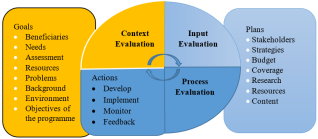
Source: Stufflebeam

Download: Download full-size image

Figure 1. CIPP Model of Evaluation.
Therefore, this study addresses these critical gaps by examining the experiences, perceptions, and challenges of implementing the chemistry curriculum in selected Ghana Colleges of Education (CoEs). The study is grounded on the Context, Input, Process, and Product (CIPP) model for curriculum evaluation, developed by . The CIPP model guides curriculum implementation across diverse levels of education, including the formative and summative evaluation of programs, individuals, products, institutions, and systems . The CIPP Model has four components for evaluating curricula. The present study ignored the product phase of the evaluation, as it is tailored to pre-service teachers (PSTs) who had not yet completed their education.
1.1. Research Questions
1) How do lecturers in Colleges of Education perceive the effectiveness of chemistry curriculum implementation practices?
2) What resources are available for teaching and learning chemistry in the selected education colleges?
1.2. Purpose of the Study
This study aims to evaluate the implementation of the chemistry curriculum in selected colleges of education in Ghana.
2. Methodology
2.1. The Study Area
The study was conducted in selected colleges affiliated to the University of Cape Coast, including Offinso College of Education, Atebubu College of Education, St. Teresa's College of Education and St. Ambrose College of Education.
2.2. Study Design
The study employed a convergent mixed-methods design. This study collected both qualitative and quantitative data from respondents to facilitate a robust, comprehensive evaluation of the curriculum's strengths, weaknesses, and overall impact, as described in .
2.3. Sample and Sampling Procedure
The study's total sample comprised twenty-five (25) participants: five (5) pre-service teachers, ten (10) chemistry lecturers, five (5) chemistry departmental heads, and five (5) Quality assurance officers, who were purposively sampled for the study.
2.4. Data Collection Procedure
Quantitative data were collected using Likert-scale questionnaires administered to chemistry lecturers, department heads, and pre-service teachers. These questionnaires measured curriculum relevance, alignment with teaching standards, resource availability, and student performance outcomes. Google Forms was utilised to administer the questionnaires electronically, ensuring a broad reach and timely responses . Qualitative data were collected through semi-structured interviews. The interviews provided more profound insights into the resources available for implementing the chemistry curriculum.
2.5. Research Instruments
The instruments were pilot tested at Foso College of Education to ensure their reliability and validity. Pilot enabled the refinement of the survey items, ensuring they were comprehensible and effectively measured aspects of curriculum evaluation . The questionnaire assessed multiple facets of curriculum implementation, including instructional practices, resource availability, and adherence to national standards. After initial development and pilot testing, the internal consistency of the items’ reliability was assessed using Cronbach’s alpha. A Cronbach’s alpha value of 0.74 was obtained, indicating adequate reliability . The questionnaire included closed-ended items based on the CIPP curriculum evaluation model, emphasising observable factors such as classroom resources, instructional practices, and teacher-student engagement.
2.6. Data Analysis
The quantitative data were analysed using the Statistical Package for the Social Sciences (SPSS) version 20.0 for Windows, whereas the qualitative data were analysed using thematic analysis.
3. Results
3.1. Perception of Chemistry Curriculum Implementation
Research Question One: How do chemistry lecturers in these Colleges of Education perceive the effectiveness of current curriculum implementation practices?
In answering the research question one, participants' response on their perception of the implementation of the chemistry curriculum in the colleges of education was analysed, and the summary of the results was recorded in Table 1.
Table 1. Lecturers' perception of the implementation of the chemistry curriculum.

Statement

Mean (SD)

SA

A

N

D

SD

N (%)

N (%)

N (%)

N (%)

N (%)

1. The goals of the chemistry curriculum are communicated to lecturers

4.00(1.19)

10(40)

10(40)

2(8)

1(4)

2(8)

2. The chemistry curriculum aligns well with national education priorities.

3.76(1.05)

5(20)

14(56)

2(8)

3(12)

1(4)

3. Lecturers’ inputs are considered during curriculum review and planning.

4.20(1.04)

12(48)

9(36)

2(8)

1(4)

1(4)

4. The curriculum content is responsive to current scientific and societal needs.

4.24(0.97)

12(48)

9(36)

3(12)

-

1(4)

5. Chemistry lecturers have access to adequate teaching and learning materials.

3.84(0.99)

5(20)

15(60)

2(8)

2(8)

1(4)

6. Laboratories are well-equipped to support practical activities in chemistry.

3.68(1.11)

5(20)

13(52)

2(8)

4(16)

1(4)

7. Lecturers are regularly trained on modern chemistry teaching methodologies

3.76(1.36)

11(44)

5(20)

2(8)

6(24)

1(4)

8. The college allocates sufficient funds for effective curriculum implementation.

3.68(1.31)

9(36)

7(28)

2(8)

6(24)

1(4)

9. Curriculum implementation is supported by effective instructional leadership.

3.88(1.05)

7(28)

12(48)

3(12)

2(8)

1(4)

10. Lecturers collaborate effectively during chemistry curriculum delivery.

3.96(1.24)

10(40)

10(40)

1(4)

2(8)

2(8)

11. Peer teaching and group learning strategies are effectively utilised.

3.72(1.17)

6(24)

12(48)

3(12)

2(8)

2(8)

12. Assessment strategies are consistent with curriculum objectives.

3.64(1.08)

3(12)

16(24)

2(8)

2(8)

2(8)

13. ICT is effectively integrated into the teaching of chemistry.

3.96(1.10)

7(28)

15(60)

-

1(4)

2(8)

14. Teaching is regularly monitored and supported to improve curriculum delivery.

4.00(1.29)

12(48)

7(28)

2(8)

2(8)

2(8)

The analysis of Table 1 provides an overall impression of lecturers' perceptions of the operationalisation of the chemistry curriculum in Colleges of Education. The outcome reveals significant variation in agreement and consistency across items, as indicated by the mean scores and standard deviations.
Regarding curriculum goal clarity, the outcome shows a mean of 4.00 and a standard deviation of 1.19. This indicates that the lecturers generally concur that the curriculum goals are clearly communicated, albeit the moderate range of responses suggests that not all lecturers are consistently so focused in their experience. Similarly, the chemistry curriculum alignment with national education priorities had a mean response score of 3.76 and a standard deviation of 1.05. This is a consistently moderate and positive assessment, with most lecturers affirming that the curriculum addresses national priorities, although there are slight variations in their views.
Considering the extent to which lecturers' ideas are utilised in curriculum reviews and planning, the findings are highly positive. The mean is 4.20, and the standard deviation is 1.04, indicating robust consensus among respondents that their ideas are seriously considered in curriculum work. This is corroborated by the relatively low variation in responses, suggesting that most lecturers share similar views on this point. Highly relevant to this point is that lecturers are firmly convinced of the curriculum's responsiveness to contemporary scientific and social needs, as indicated by a mean score of 4.24 and a relatively low standard deviation of 0.97. These results clearly demonstrate not only high agreement but also consistency, making this the most strongly endorsed aspect of curriculum implementation.
Regarding the provision of teaching and learning materials (TLMs), the mean was 3.84 (SD = 0.99). This indicates that lecturers generally agree that suitable materials are available to support teaching, with responses being reasonably consistent across the sample. However, the adequacy of laboratory facilities for practical work was slightly lower, with a mean of 3.68 and a standard deviation of 1.11. Although the mean shows mild agreement, the greater variability suggests that the availability of practical facilities may vary widely across colleges, with some better equipped than others.
Professional development plans, particularly those involving regular training in modern pedagogy, average 3.76. However, with a standard deviation of 1.36, the highest of all items, this indicates substantial variation in lecturers' exposures. While some lecturers receive more frequent and modern training plans, others appear to have limited exposure, suggesting a discrepancy that may warrant action. Similarly, the availability of sufficient funds to support curriculum implementation had a mean of 3.68 and a standard deviation of 1.31. Although the mean suggests poor agreement, indicating insufficient finances, the high variation in responses suggests significant differences in the financial situations of different colleges.
The findings also indicate that lecturers generally believe that instructional leadership supports curriculum implementation, with an average score of 3.88 (SD = 1.05). This moderate spread reflects fairly consistent agreement across respondents. Tutor-tutor collaboration in instruction was also highly rated, with a mean of 3.96; however, the standard deviation of 1.24 indicates that, although collaboration is prevalent in most settings, its intensity across contexts is inconsistent. Peer teaching and collaborative learning strategies had a mean of 3.72 and a standard deviation of 1.17, indicating somewhat positive views but again differing across settings.
Evaluation practices, particularly those aligned with curriculum objectives, yielded the lowest mean rating (3.64), with a standard deviation of 1.08. This means that, although lecturers tend to agree that assessment practices reflect curriculum objectives, there is less agreement and more variability with this statement than with others. On the other hand, the integration of ICT into teaching and learning was rated more positively, with a mean of 3.96 and a standard deviation of 1.10. This shows that most lecturers rate ICT integration as effective, though the experience varies slightly across colleges.
Overall, the discussion suggests that while chemistry lecturers appreciate the clarity, relevance, and participatory nature of the curriculum, structural and systemic issues—particularly those related to resourcing, funding, and training—remain significant barriers to effective implementation.
Research Question 2: What resources are available for teaching and learning chemistry in the selected education colleges?
3.2. Resources Available for Teaching and Learning Chemistry
Semi-structured interviews were conducted with lecturers and students across selected Colleges of Education to explore available resources for chemistry instruction. Five themes emerged from the analysis: (1) physical and infrastructural resources, (2) laboratory equipment, chemicals, and safety, (3) instructional materials and teaching aids, (4) human resources and professional capacity, and (5) financial and institutional support.
Theme 1: Physical and Infrastructural Resources
Interviewees consistently emphasised the role of infrastructure, such as lecture halls, laboratories, and libraries, in facilitating chemistry teaching. However, availability varied across colleges.
Lecturer A explained: “Our chemistry laboratory is too small for the increasing enrolment. Sometimes, two groups have to share the same space, which affects concentration and safety.”
Student 2 echoed: “We do not have enough seats in the lecture halls, so many of us stand during lessons. It makes following practical demonstrations difficult.”
Lecturer B: Hmm, we do not have any space for a demonstration lesson.
This reflects the literature indicating that well-resourced physical environments are critical for effective science learning .
Theme 2: Laboratory Equipment, Chemicals, and Safety
Respondents highlighted serious gaps in the provision of laboratory equipment and consumables.
Lecturer C lamented: “We hardly get basic reagents for titration. At times, I use improvised substitutes, but students do not get the real experience.”
Student 4 noted: “Some apparatus is broken, but we still use them. The risk of accidents is high because we lack safety gear like goggles and lab coats.”
The findings align with , which stresses that science education in developing contexts often suffers from insufficient laboratory provision. Without a consistent supply of reagents and apparatus, students’ practical competencies remain underdeveloped .
Theme 3: Instructional Materials and Teaching Aids
Participants also discussed access to textbooks, laboratory manuals, Information and Communication Technology (ICT) tools, and teaching aids.
Lecturer B reported: “We have very few textbooks aligned with the new curriculum. Most of us use personal resources or borrow materials online.”
Student 1 added: “We rely on lecturers’ notes because the library has outdated books, and internet access is unstable.”
According to , curriculum implementation is effective when instructional materials are up-to-date, diversified, and accessible. Digital tools have been shown to enhance conceptual understanding in chemistry when integrated systematically .
Theme 4: Human Resources and Professional Capacity
Respondents noted both strengths and limitations in the provision of human resources.
Lecturer D observed: “We have competent lecturers, but the staff–student ratio is overwhelming. Sometimes I teach over 200 students in one lecture, which limits interaction.”
Student 3 explained: “The laboratory technician is only one person, so practical sessions are delayed. We often end up watching demonstrations instead of doing the experiments ourselves.”
This theme aligns with the findings of , who identified factors such as heavy workloads, lack of motivation, and inadequate infrastructure as impediments to successful curriculum implementation. These obstacles contribute to lecturers' perceptions of the curriculum's ineffectiveness in achieving its objectives.
Theme 5: Financial and Institutional Support
Finally, financial and policy support emerged as a decisive factor shaping access to resources.
Lecturer E remarked: “Budgets for science departments are always limited. We sometimes depend on donor-funded projects for chemicals and equipment.”
This aligns with broader findings that institutional financing directly affects the sustainability of resource provision in African colleges of education . Without stable funding, the chemistry curriculum risks being implemented only in theory rather than in practice.
3.3. Discussion
These positive perceptions suggest that policy goals are being successfully communicated and that lecturer participation in curriculum processes fosters a sense of ownership. However, the study also identified gaps in resource adequacy, financial support, and access to regular training, with greater variability across institutions. These findings align with the CIPP model, which underscores the importance of context and input evaluation in ensuring curriculum success. The model emphasises that clarity of goals, stakeholder involvement, and availability of resources are critical determinants of effective implementation . The fact that lecturers perceive curriculum goals as clearly communicated reflects the assertion that successful implementation requires clear policy direction and well-structured strategic planning. Similarly, defined curriculum as a planned set of structured learning opportunities, stressing the need for coherence and clarity in educational planning.
At the same time, the concerns raised by lecturers over inadequate resources and inconsistent training resonate with earlier Ghanaian studies. Moreover, identified unfavourable school conditions, weak management, and lack of resources as significant impediments to effective curriculum delivery in Ghana. Likewise, reported that reforms often weaken when teachers face heavy workloads, diverse student learning needs, and limited understanding of curricular changes. The literature also highlights the centrality of professional development. argues that sustained professional learning is the cornerstone of quality teaching practices, while stresses that curriculum fidelity depends on teachers being adequately trained and supported. Furthermore, the positive perception of ICT integration reflects Ghana’s national education priorities . This aligns with , who found that technology integration is successful when institutions foster supportive cultures and promote peer collaboration. The highest-rated item was that the curriculum objectives are clearly communicated (M = 4.31, SD = 0.713), followed closely by the view that the curriculum is responsive to the needs of pre-service teachers (M = 4.27, SD = 0.678). Lecturers also strongly agreed that the curriculum is aligned with the professional requirements of teacher education, which recorded a mean of 4.24 and a standard deviation of 0.742. These positive results indicate that the curriculum design has been effectively disseminated and interpreted at the teaching level, a prerequisite for successful delivery . This is matched with a caring pedagogical culture, which found to be central to sustaining quality teaching practice. The incorporation of ICT also facilitates national policy aims to integrate digital technologies into the curriculum and aligns with evidence from that technology use in teaching is more successful when grounded in institutional culture and peer support. Similarly, inconsistencies in resource supply were evident in moderate means, such as teaching aids (M = 3.56, SD = 0.974), suggesting that institutional disparities in support resource availability can compromise the consistency of curriculum implementation. indicates that inconsistency can undermine efforts to establish national standards for teacher education.
The difference between positive attitudes towards curriculum goal clarity and concern over the use of resources and professional development suggests a context in which policy intentions are clear but functional realities are not. Although curriculum goal clarity is a proper beginning, successful long-term implementation will depend on addressing capacity gaps through continuous training, a balanced distribution of resources, and the preservation of professional collaborative networks. These findings support the imperative of implementing a strategy that balances policy clarity with ongoing institutional oversight and support to ensure uniform quality across all Colleges of Education.
3.4. Areas of Convergence Between Quantitative and Qualitative Findings
The findings from both the quantitative survey and the qualitative interviews show strong convergence on the central issue of inadequate resources for implementing the chemistry curriculum. Quantitatively, lecturers rated access to teaching and learning materials as moderately high (M = 3.84, SD = 0.99) and expressed concerns about laboratory facilities (M = 3.68, SD = 1.11). At the same time, the qualitative interviews echoed these challenges, with lecturers and students citing overcrowded laboratories, lack of reagents, and outdated apparatus as persistent barriers to effective practical work.
Another area of convergence is professional development and human resource capacity. The survey responses indicated that lecturers felt insufficiently trained on modern chemistry teaching methodologies (M = 3.76, SD = 1.36), a finding corroborated by interviewees who emphasised overwhelming staff–student ratios and the absence of adequate technical support. Both datasets indicate that, although lecturers are competent, workload pressures and inadequate training hinder their ability to deliver on the curriculum’s objectives fully. Similarly, both strands of data point to institutional and financial constraints. Quantitative results showed only moderate agreement that sufficient funds are allocated for curriculum implementation (M = 3.68, SD = 1.31), while qualitative evidence revealed dependence on donor projects and irregular funding streams. These shared insights underscore the fragility of resource provision and its impact on the delivery of a sustainable curriculum.
Finally, ICT integration emerges as a relatively positive area of agreement. The survey revealed higher ratings for ICT use in teaching chemistry (M = 3.96, SD = 1.10), and interviews confirmed that, despite limited access to physical materials, digital resources, such as online simulations, partially mitigate gaps in laboratory provision. This suggests that ICT tools offer a promising alternative pathway for strengthening chemistry instruction when traditional resources are lacking. In sum, both datasets reinforce the view that while the curriculum is clearly communicated and policy-aligned, its successful implementation is constrained by systemic resource gaps, insufficient professional training, and weak financial support structures.
4. Recommendation
Based on the study findings, the following recommendations were made;
1) The Ministry of Education and College leadership should prioritise the equitable distribution of laboratory equipment, chemicals, ICT tools, and textbooks across all Colleges of Education. A national resource audit should be conducted to identify disparities and guide targeted interventions.
2) The Ministry of Education must also provide financial resources for implementing the chemistry curriculum, with transparent procurement and maintenance systems in place to ensure timely access to resources.
5. Conclusion
Overall, chemistry lecturers perceive the curriculum as clearly communicated, relevant to scientific and societal needs, and aligned with national priorities. Lecturers also acknowledged that their professional input is often considered in curriculum planning and reviews, thereby strengthening the ownership and relevance of instructional practices. These positive findings confirm that the curriculum's structural design and its intended objectives have been effectively disseminated and are well understood at the teaching level.
Despite these strengths, significant gaps undermine resource provision, particularly in laboratory equipment, teaching aids, and ICT integration, with these areas inconsistent across institutions. While some colleges report moderately equipped laboratories and access to ICT resources, others face shortages that restrict hands-on teaching of chemistry. Inadequate financial allocation further compounds these disparities, resulting in variable learning opportunities for pre-service teachers and leading to inconsistent practical implementation.
5.1. Rationale for Modifying the Stufflebeam CIPP Model
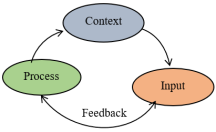
Although the original Stufflebeam CIPP model (Context–Input–Process–Product) provides a comprehensive framework for evaluating educational programmes, in real educational settings, inputs, processes, and outcomes continually interact rather than occurring as discrete, one-directional stages. Especially in curriculum implementation within Colleges of Education, lecturers often revise instructional strategies, materials, and resources in response to challenges encountered during the teaching–learning process. This reality requires a model that emphasises continuous refinement, rather than a once-off evaluation cycle. Researchers such as emphasised the importance of using evaluation to support continuous improvement. However, the traditional CIPP diagram is commonly presented as a sequence that flows from Context to Product. This representation does not fully capture the feedback mechanisms that naturally occur when implementers revisit their inputs after encountering process-level challenges. Additionally, studies on curriculum change and implementation highlight that successful implementation requires iterative cycles, in which insights from the process stage feed back into decisions about materials, pedagogy, resources, and strategies. Therefore, converting the CIPP model into a cyclical structure makes the ongoing nature of evaluation visible and aligns more closely with how curriculum implementation unfolds in practice. The introduction of explicit feedback between the process and input components strengthens the model’s ability to capture adaptive decision-making during implementation. In the context of evaluating the implementation of the chemistry curriculum in Colleges of Education in Ghana, classroom realities such as inadequate laboratory resources, limited ICT availability, and lecturers' pedagogical readiness require ongoing adjustment. During classroom observations and interviews, lecturers often modify lesson plans, learning materials, and teaching strategies in response to challenges identified during teaching. Thus, evaluations that follow a strictly linear CIPP sequence overlook the real-time refinements that take place. By redesigning the model into a cyclical form and incorporating feedback loops from the process stage back to the input stage, the revised model better captures the iterative nature of teaching and learning, ensuring that evaluation captures how lecturers adapt and refine their instructional inputs as implementation progresses.
5.2. Propose Model
In response to these theoretical and practical limitations, this study presents a modified cyclical version of the CIPP model, which introduces a feedback mechanism between the process and input components to highlight the continuous refinement inherent in curriculum implementation.
Source: Authors' proposed framework

Download: Download full-size image

Figure 2. New CIP model.
Abbreviations

DBE

Diploma in Basic Education

B.Ed

Bachelor of Education

CoEs

Colleges of Education

CIPP

Context, Input, Process, and Product

PSTs

Pre-service Teachers

TLMs

Teaching and Learning Materials

Acknowledgments
We sincerely acknowledge the principals of the selected colleges for granting access, the lecturers for their cooperation, and the students for their active participation in this study. Their support, commitment, and openness to share valuable insights were instrumental in making this research on chemistry curriculum evaluation successful and meaningful.
Author Contributions
Soloman Boachie: Conceptualization, Data curation, Formal analysis, Investigation, Methodology, Project administration, Writing – original draft.
Francis Quansah: Formal analysis, Methodology, Validation, Writing – review & editing.
Emmanuel Kyame Oppong: Conceptualization, Supervision, Writing – review & editing.
Arkoful Sam: Investigation, Data curation, Writing – review & editing.
Yeboah Adjei: Investigation, Resources, Validation, Writing – review & editing.
Conflicts of Interest
The authors declare no conflicts of interest.
References
[1] MoE, Ghana. (2017). National teachers’ standards. Retrieved from
[2] Akyeampong, K. (2017). Teacher educator practices and the quality of teacher education in low-income countries. Educational Research and Evaluation, 23(3-4), 155–172.
[3] Akyeampong, K., & Lewin, K. (2002). From student teachers to newly qualified teachers: Insights into teacher preparation in Ghana. International Journal of Educational Development, 22, 339–352.
[4] Lauwerier, T., & Akkari, A. (2015). Teachers and the quality of basic education in sub-Saharan Africa.
[5] Agyei, D. D., Osei-Tutu, A., & Ofori, E. (2019). A survey of the implementation of the chemistry curriculum in senior high schools in Ghana: Challenges and prospects. Cogent Education, 6(1), 1–14.
[6] Addy, E. A. (2019). Factors influencing the implementation of the science curriculum in basic schools in Ghana: a case study of selected basic schools in the Afigya-Kwabre district (Doctoral dissertation, University of Cape Coast).
[7] Boateng, I., & Ampiah, J. G. (2020). An investigation into implementing the integrated science curriculum in selected basic schools in the Asante Akim North Municipality of Ghana. International Journal of Science and Mathematics Education, 18(5), 969–985.
[8] Amoako, R., Attia, I., Awini, A., & Denteh, R. (2021). Colleges of Education Lecturers' Perceptions on the Adaptation and Modification Approaches for Children with Special Educational Needs and Disabilities in Ghana. European Journal of Education Studies, 8(9), 396–409.
[9] Buabeng, I., Ntow, F. D., & Otami, C. D. (2020). Teacher education in Ghana: Policies and Policies. Journal of Curriculum and Teaching, 9(1), 86-95.
[10] Oduro, I. K., Akuka, A. B., & Kuranchi, A. (2022). Lecturers’ use of reflective practice to promote teaching and learning. Creative Education, 13, 2308–2320.
[11] Mathison, F. J. (2005). Changing the contexts for documenting our teaching. Pedagogy, 5(1), 157–161.
[12] Creswell, J. W., & Plano Clark, V. L. (2018). We are designing and conducting mixed methods research (3rd ed.). SAGE Publications.
[13] Creswell, J. W. (2017). Research design: Qualitative, quantitative, and mixed methods approaches (5th ed.). SAGE Publications.
[14] Creswell, J. W., & Creswell, J. D. (2018). Research design: Qualitative, quantitative, and mixed methods approaches (5th ed.). Sage Publications.
[15] DeVellis, R. F. (2016). Scale development: Theory and applications (4th ed.). SAGE Publications.
[16] Boachie. S., Quansah. F., & Oppong. E. K. (2021). The Practice and Awareness of Gender Responsive Instructional Approaches during College of Education Chemistry Lessons - A Case Study. European Journal of Open Education and E Learning, 6(2) 2501-1921
[17] Amadu, C. D., Ali, K. A., Andoh-Kesson, J. D., & Assuah, C. K. (2023a). Lecturers’ perspectives on factors affecting the implementation of the four-year Bachelor of Education Science curriculum in Ghana's colleges of education. International Journal of Innovative Research and Development, 12(8) 157.
[18] Ameyaw, S., & Antwi, E. (2015). The Effect of Practical Chemistry on Students' Performance in Senior High Schools in Ghana. International Journal of Education and Practice, 3(2), 102–112.
[19] National Council for Tertiary Education. (2021). Annual report on curriculum implementation in colleges of education. NCTE.
[20] Agyeman, E. A., & Segbene, M. (2022). Institutional support and the implementation of the chemistry curriculum in Ghanaian colleges of education. Journal of Teacher Education and Curriculum Studies, 9(1), 12–20.
[21] Stufflebeam, D. L. (2003). Institutionalising evaluation in schools. In International handbook of educational evaluation (pp. 775–805). Springer.
[22] Stufflebeam, D. L., & Zhang, G. (2017). The CIPP evaluation model: Evaluating for improvement and accountability. Guilford Publications.
[23] T-TEL. (2017a). Midline survey. T-TEL.
[24] Mojkowski, C. (2000). The essential role of principals in monitoring curriculum implementation. NASSP Bulletin, 84(613), 76–83.
[25] Etsey, T. K. A. (2007). The Challenge of Low Academic Achievements in Rural Junior Secondary Schools in Ghana: The Case of Shama Sub-Metro in the Western Region. Journal of Education and Practice, 2(3), 18–29.
[26] Anderson, D. L. (2017). Improving information technology curriculum. Learning Outcomes and Informing Science, 20, 119.
[27] Cheung, A. C., & Wong, P. M. (2012). Factors Affecting the Implementation of Curriculum Reform in Hong Kong: Key Findings from a Large-Scale Survey Study. International Journal of Educational Management, 26(1), 39–54.
[28] Avalos, B. (2011). The teacher has undergone more than 10 years of professional development in teaching and teacher education. Teaching and Teacher Education, 27(1), 10–20.
[29] Fullan, M., & Pomfret, A. (1977). Research on curriculum and instruction implementation. Review of Educational Research, 47(2), 335–397.
[30] Ministry of Education, Ghana. (2018). Education strategic plan 2018–2030. Government of Ghana.
[31] Tondeur, J., van Braak, J., Ertmer, P. A., & Ottenbreit-Leftwich, A. (2017). Understanding the relationship between teachers’ pedagogical beliefs and technology use in education: A systematic review. Educational Technology Research and Development, 65, 555–575.
[32] Darling-Hammond, L., Flook, L., Cook Harvey, C., Barron, B., & Osher, D. (2020). Implications for Educational Practice of the Science of Learning and Development. Applied Developmental Science, 24(2), 97–140.
[33] UNESCO (2021). Reimagining our futures together: A new social contract for education. UNESCO Publishing.
Cite This Article
  • APA Style

    Boachie, S., Quansah, F., Oppong, E. K., Sam, A., Adjei, Y. (2026). Exploring Stakeholders’ Views on Chemistry Curriculum Implementation in Teacher Education. Teacher Education and Curriculum Studies, 11(1), 22-30. https://doi.org/10.11648/j.tecs.20261101.13

    Copy | Download

    ACS Style

    Boachie, S.; Quansah, F.; Oppong, E. K.; Sam, A.; Adjei, Y. Exploring Stakeholders’ Views on Chemistry Curriculum Implementation in Teacher Education. Teach. Educ. Curric. Stud. 2026, 11(1), 22-30. doi: 10.11648/j.tecs.20261101.13

    Copy | Download

    AMA Style

    Boachie S, Quansah F, Oppong EK, Sam A, Adjei Y. Exploring Stakeholders’ Views on Chemistry Curriculum Implementation in Teacher Education. Teach Educ Curric Stud. 2026;11(1):22-30. doi: 10.11648/j.tecs.20261101.13

    Copy | Download

  • @article{10.11648/j.tecs.20261101.13,
      author = {Soloman Boachie and Francis Quansah and Emmanuel Kyame Oppong and Arkoful Sam and Yeboah Adjei},
      title = {Exploring Stakeholders’ Views on Chemistry Curriculum Implementation in Teacher Education},
      journal = {Teacher Education and Curriculum Studies},
      volume = {11},
      number = {1},
      pages = {22-30},
      doi = {10.11648/j.tecs.20261101.13},
      url = {https://doi.org/10.11648/j.tecs.20261101.13},
      eprint = {https://article.sciencepublishinggroup.com/pdf/10.11648.j.tecs.20261101.13},
      abstract = {The recent restructuring of the Colleges of Education (CoE) curriculum in Ghana into a four-year Bachelor of Education (B.Ed.) programe aims to equip pre-service teachers with the pedagogical, scientific, and technological competencies required for effective teaching in 21st-century classrooms. Despite these reforms, evidence on how the chemistry curriculum is being implemented from the perspectives of key stakeholders remains limited. This study, therefore, explored stakeholders’ views on the implementation of the B.Ed. Chemistry curriculum in Colleges of Education. Using a convergent mixed-method design, data were collected from twenty-five purposively selected participants, comprising pre-service teachers, chemistry lecturers, heads of chemistry departments, and quality assurance officers. Quantitative data were gathered using Likert-scale questionnaires and analysed descriptively with SPSS (version 20.0), while qualitative data from semi-structured interviews were analysed thematically. Findings from both quantitative and qualitative analyses revealed strong convergence around two significant implementation challenges: inadequate instructional resources and insufficient time for sustained professional development. Although chemistry lecturers generally perceived the curriculum as clearly communicated, relevant to societal and scientific needs, and well aligned with national educational priorities, they reported significant disparities in laboratory facilities, teaching aids, ICT resources, and financial support across institutions. These disparities constrain effective practical chemistry instruction and limit opportunities for inquiry-based and hands-on learning. The study further found that lecturers’ involvement in curriculum planning and review processes enhances professional ownership and instructional relevance. The study concludes that while the reformed chemistry curriculum is conceptually sound, addressing resource inequities and strengthening institutional support mechanisms are critical for achieving consistent and effective curriculum implementation across Colleges of Education.},
     year = {2026}
    }
    

    Copy | Download

  • TY  - JOUR
    T1  - Exploring Stakeholders’ Views on Chemistry Curriculum Implementation in Teacher Education
    AU  - Soloman Boachie
    AU  - Francis Quansah
    AU  - Emmanuel Kyame Oppong
    AU  - Arkoful Sam
    AU  - Yeboah Adjei
    Y1  - 2026/02/24
    PY  - 2026
    N1  - https://doi.org/10.11648/j.tecs.20261101.13
    DO  - 10.11648/j.tecs.20261101.13
    T2  - Teacher Education and Curriculum Studies
    JF  - Teacher Education and Curriculum Studies
    JO  - Teacher Education and Curriculum Studies
    SP  - 22
    EP  - 30
    PB  - Science Publishing Group
    SN  - 2575-4971
    UR  - https://doi.org/10.11648/j.tecs.20261101.13
    AB  - The recent restructuring of the Colleges of Education (CoE) curriculum in Ghana into a four-year Bachelor of Education (B.Ed.) programe aims to equip pre-service teachers with the pedagogical, scientific, and technological competencies required for effective teaching in 21st-century classrooms. Despite these reforms, evidence on how the chemistry curriculum is being implemented from the perspectives of key stakeholders remains limited. This study, therefore, explored stakeholders’ views on the implementation of the B.Ed. Chemistry curriculum in Colleges of Education. Using a convergent mixed-method design, data were collected from twenty-five purposively selected participants, comprising pre-service teachers, chemistry lecturers, heads of chemistry departments, and quality assurance officers. Quantitative data were gathered using Likert-scale questionnaires and analysed descriptively with SPSS (version 20.0), while qualitative data from semi-structured interviews were analysed thematically. Findings from both quantitative and qualitative analyses revealed strong convergence around two significant implementation challenges: inadequate instructional resources and insufficient time for sustained professional development. Although chemistry lecturers generally perceived the curriculum as clearly communicated, relevant to societal and scientific needs, and well aligned with national educational priorities, they reported significant disparities in laboratory facilities, teaching aids, ICT resources, and financial support across institutions. These disparities constrain effective practical chemistry instruction and limit opportunities for inquiry-based and hands-on learning. The study further found that lecturers’ involvement in curriculum planning and review processes enhances professional ownership and instructional relevance. The study concludes that while the reformed chemistry curriculum is conceptually sound, addressing resource inequities and strengthening institutional support mechanisms are critical for achieving consistent and effective curriculum implementation across Colleges of Education.
    VL  - 11
    IS  - 1
    ER  - 

    Copy | Download

Author Information
  • Department of Science, St. Ambrose College of Education, Dormaa-Akwamu, Ghana

  • Department of Science, Foso College of Education, Assin Foso, Ghana

  • Department of Science Education, University of Education, Winneba, Ghana

  • Department of Science Education, University of Education, Winneba, Ghana

  • Department of Science, Atebubu College of Education, Atebubu, Ghana

  • Abstract
  • Keywords
  • Document Sections

    1. 1. Introduction
    2. 2. Methodology
    3. 3. Results
    4. 4. Recommendation
    5. 5. Conclusion
    Show Full Outline
  • Abbreviations
  • Acknowledgments
  • Author Contributions
  • Conflicts of Interest
  • References
  • Cite This Article
  • Author Information